REVIEW · COPENHAGEN
Copenhagen: Danish-Jewish History Tour
Book on GetYourGuide →Operated by Delicious Denmark · Bookable on GetYourGuide
Copenhagen’s Danish-Jewish story hits fast. In a little over two hours, you connect the community’s arrival in 1622 to the extraordinary survival of 97% of Danish Jews during WWII, with stops that turn dates into real streets and real buildings.
I love how the tour balances major historical moments with human details. You’ll also get a clear, logical flow from synagogue life and community neighborhoods to the October 1943 rescue—without rushing the emotional parts.
One thing to consider: Great Synagogue entrance isn’t included, so you may still need to budget time and payment for that final visit, even though the tour helps with the ticket line situation.
In This Review
- Key points before you go
- Why Danish-Jewish history matters in Copenhagen
- The 2.5-hour private walking plan
- Tracing synagogues and prayer rooms in central Copenhagen
- Jewish neighborhoods, famous names, and everyday influence
- The Great Synagogue of Copenhagen and the Egyptian Revival style
- Andersen, Melchior family, and the personal side of Copenhagen
- Hirschsprung patrons and the Danish Impressionism connection
- October 1943: understanding the rescue that saved 97%
- Price and value: what $129 buys you in 2.5 hours
- Tips to make your walk better (and smoother)
- Should you book the Copenhagen Danish-Jewish History Tour?
- FAQ
- What’s the duration of the Copenhagen Danish-Jewish History Tour?
- Is this a private tour?
- Which languages are available?
- Is Great Synagogue of Copenhagen entrance included?
- Do I need comfortable walking shoes?
- Is the tour wheelchair accessible?
- Is it suitable for young children?
Key points before you go

- 97% survival explained clearly with an October 1943 smuggling story you can actually picture
- Central Copenhagen walking route focused on synagogues, prayer rooms, and former Jewish areas
- Private, flexible guiding with multiple languages (English, German, Danish, Swedish, French)
- High-impact stops like the Great Synagogue in Egyptian Revival style
- Cultural side stories: H.C. Andersen and the Melchior family, plus Heinrich and Pauline Hirschsprung
- Food bonus moments from your guide, including a strong vegetarian-friendly sausage recommendation
Why Danish-Jewish history matters in Copenhagen
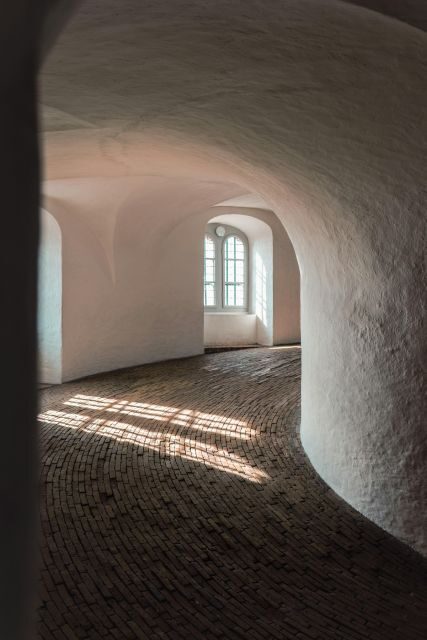
Copenhagen can feel like a neat postcard city—clean streets, bike lanes, coffee windows. This tour nudges you to look again, because Danish-Jewish history is woven into how the city looks, brands itself, and creates culture. You start with the earliest Jewish settlement in 1622 and then move forward to the modern era, so the story doesn’t feel like a side chapter. It feels like part of the city’s DNA.
The big anchor is that simple statistic: 97% of Danish Jews survived the Nazi Occupation. That number isn’t just a headline; it frames how Denmark, Jewish neighbors, and resistance efforts intersected. In the hands of a good guide, it becomes concrete—what “survival” required, how dangerous timing in 1943 mattered, and why the community’s presence was so deeply rooted in Denmark before and after the war.
I also like that you don’t only get the heavy stuff. The tour brings in everyday influence, from well-known names like Tuborg Beer and Bang & Olufsen porcelain to figures such as Niels Bohr, Victor Borge, and Georg Brandes. You’ll come away with the sense that Danish Jews weren’t only a wartime story—they helped shape Denmark’s science, arts, and public life.
Other Jewish and cultural heritage tours we've reviewed in Copenhagen

The 2.5-hour private walking plan

This is built for walking, not for bus rides or museum marathons. The duration is 2.5 hours, and that timing matters: you get enough time to see key areas, but you’re also moving at a human pace. You’ll want comfortable shoes and water, because you’re out in the city for a guided stroll.
It’s also a private group experience with a live guide. Even if you book as a couple or a small party, you’re not stuck listening to a headset-only script. Your guide can shape the pacing, answer questions, and adjust where the conversation needs to slow down—especially when sensitive WWII topics come up.
Hotel pickup is offered, which can be a real time-saver in Copenhagen. And if your group has different language preferences, the tour is offered in English, German, Danish, Swedish, and French. That matters more than it sounds: history lands better when you can ask follow-up questions in a language you’re comfortable with.
One more practical note: the tour is not suitable for children under 6. If you’re traveling with little ones, you’ll likely want a different option or a different format.
Tracing synagogues and prayer rooms in central Copenhagen

A big reason this tour feels different from a basic walking overview is that it follows a thread: synagogue and prayer-room history across central Copenhagen. You’re not just seeing buildings as architecture. You’re learning how Jewish religious life took shape over time and how it functioned inside a larger Danish city.
You’ll wander through parts of the center where the community’s presence shows up in physical clues—places linked to worship, prayer, and community gathering. The guide’s job here is to connect what you’re seeing with what people needed at the time: continuity, community structure, and a sense of belonging in a northern setting.
This segment works best if you’re comfortable asking questions while you walk. The best moments happen when you ask things like why certain communities formed in specific areas, or how religious spaces changed across decades. From what I’ve seen firsthand in well-run tours like this, the guide’s explanations stay logical because the route itself is doing the organizing.
And if you’re the type who wants extra personal relevance, the tour specifically notes that you can ask about seeking relatives or historical records. If that’s on your mind, come ready with names and dates you might already have. Even simple details can make the conversation more productive.
Jewish neighborhoods, famous names, and everyday influence
After the places of worship, the tour shifts into community life. You’ll learn about former Jewish ghettos and the reality of neighborhood concentration—without turning it into a dry list of facts. This part matters because it explains the social geography behind the wartime story.
Then the guide pivots to influence in everyday Denmark. The tour ties famous Danish and international names back to Jewish participation in public life. You’ll hear about scientists and artists like Niels Bohr and Victor Borge, and cultural thinkers such as Georg Brandes. Those names aren’t random trivia. They’re used to show how Jewish people were part of Denmark’s intellectual and creative story—not just present in wartime memory.
It also helps that the tour doesn’t keep the story trapped in textbooks. When you hear about consumer and design touchpoints—Tuborg Beer and Bang & Olufsen porcelain—you start thinking about how visible communities can be even when you don’t realize the full history behind what you’re using.
This is where the tour becomes practical for your own sightseeing. You’ll start noticing patterns: where wealth and industry clustered, where cultural institutions grew, and how power and safety shifted in different eras. That makes your broader Copenhagen day more meaningful, not less.
The Great Synagogue of Copenhagen and the Egyptian Revival style
If you only cared about WWII, you could stop after the October 1943 segment. But the tour makes sure you see the Great Synagogue of Copenhagen, an obvious visual highlight with its Egyptian Revival style.
Even if you’re not an architecture expert, it’s the kind of building that forces your attention. The design signals ambition and identity—Jewish community life with a strong public presence. That’s part of why it works on this tour: the city’s story isn’t only about survival. It’s also about building, celebrating, and shaping a community’s place in the city.
Important planning detail: entrance to the Great Synagogue isn’t included. The tour does say you skip the ticket line, but since you still need entry, expect to handle the synagogue admission separately. If you’re the careful planner type, check the timing so you’re not scrambling when you reach the stop.
What to look for here: focus less on trying to photograph everything and more on letting the guide explain what makes the style meaningful. When a guide puts a building into historical context, the minutes you spend inside (or at the entrance if you can’t get in) can become part of the larger story about continuity and community confidence.
Other historical tours in Copenhagen

Andersen, Melchior family, and the personal side of Copenhagen
This tour doesn’t treat history like an encyclopedia. It includes personal relationships that make the city feel human.
One of the standout threads is the friendship between H.C. Andersen and the Melchior family. You’ll hear how the Melchior family cared for him, and that’s tied to the story of where and how he passed away. That kind of detail does two helpful things: it slows down the history, and it reminds you that famous people lived among real families with real responsibilities.
This segment pairs well with everything else you’re learning, because it changes the emotional tone without ignoring the hard facts of the WWII era. It helps you feel how the Jewish community could be connected to Danish cultural life at different levels—friendship, care, patronage, and influence.
If you’re walking through Copenhagen already thinking of Andersen and literature, this part gives your day an extra layer. It’s not a detour. It’s part of why the city’s cultural map makes sense.
Hirschsprung patrons and the Danish Impressionism connection
Another cultural thread that makes this tour worth your time is the stop in art history: Heinrich and Pauline Hirschsprung. You’ll learn about their role in the development of Danish Impressionism and how Jewish patrons influenced the arts.
This is a smart inclusion. Many history walks focus only on politics and wartime survival. Here, you get a reminder that communities build legacies through culture and support of artists. It also helps you understand why Copenhagen feels like it has “taste” built into it—because patronage and participation shaped what got made.
Even if you’re not chasing paintings on this day, you’ll leave with a better filter for what you see later. If you visit a museum, you’ll be more likely to notice names and understand what support systems made those artworks possible.
October 1943: understanding the rescue that saved 97%
Now to the part that carries the most emotional weight: WWII. You’ll learn how, over the course of a few short weeks in October 1943, the vast majority of Danish Jews were smuggled out and to safety.
This is where the tour’s pacing and sensitivity really matter. The tour is designed to handle sensitive topics with care, and the structure helps you follow the timeline without feeling overwhelmed. You get the big picture statistic again—97% survival—but now you’re also getting the “how” and the timing. Those weeks matter because they show how fast danger could close in, and how much coordination and risk were involved.
It’s also why a private guide is a plus. When questions come up—because they will—you can ask and get answers in a way that fits your understanding. A strong guide keeps the flow logical, not scattered, which helps you hold onto the story.
If you’re sensitive to heavy history, you don’t have to power through it alone. You can ask the guide to repeat a point, slow down, or explain the context again. The tour’s format is built for real conversation, not just listening.
Price and value: what $129 buys you in 2.5 hours
At $129 per person, this isn’t a bargain-coach style tour. It’s a paid history walk with a private guide, hotel pickup offered, and a route built around specific community landmarks—synagogues, prayer rooms, former Jewish areas, and the Great Synagogue stop.
So is it good value? I think the answer depends on what you want from your day.
If you want a scripted overview, you’ll find cheaper options. But if you want accuracy, the ability to ask questions, and someone who can connect sites to context, then the price feels fair. Private guiding is expensive because it’s one group at a time and the guide can tailor the explanations and pacing.
Also, the guide’s role isn’t only to talk. In at least one tour experience, the guide pointed out nearby food options after the walking portion—like a bakery suggestion and a sausage food truck. Even if you don’t eat sausages, that kind of practical local advice makes the tour spill into the rest of your evening. And there’s a vegetarian angle too: a veggie sausage sandwich with everything on it was specifically recommended for people who don’t eat meat.
You’ll get more out of the $129 if you come ready with questions, comfortable with walking, and willing to treat this as more than a checklist.
Tips to make your walk better (and smoother)
This is a city walk, so small choices change the experience.
Bring comfortable shoes and plan for weather-appropriate clothing. Copenhagen weather loves to do its own thing. Also bring water, especially if you’re booking during a warmer spell.
If you’re hoping to trace family history, bring what you already know: names, dates, or even rough timelines. The tour explicitly notes that you can seek relatives or historical records, but your chances improve if you bring starting points.
Finally, lean into questions. A well-run guide will keep answers clear and logical, and that turns the route into a conversation. If you’re vegetarian, it’s worth asking the guide for what to eat nearby, because the tour connection to food advice is real.
Should you book the Copenhagen Danish-Jewish History Tour?
Book it if you want a focused, high-context private walking experience that covers both Danish-Jewish cultural life and the WWII rescue story in a way that makes sense on the ground. The route’s mix—synagogues, former areas, the Great Synagogue, and personal connections like H.C. Andersen—helps you understand Copenhagen as more than a pretty city with a few plaques.
Skip it or reconsider if you don’t want to handle sensitive history, or if you dislike walking for a couple of hours. Also, plan ahead for the Great Synagogue entrance since that part isn’t included.
FAQ
What’s the duration of the Copenhagen Danish-Jewish History Tour?
It runs for about 2.5 hours. Starting times depend on availability.
Is this a private tour?
Yes. It’s a private historical walking tour with a private tour guide.
Which languages are available?
The live guide is available in English, German, Danish, Swedish, and French.
Is Great Synagogue of Copenhagen entrance included?
No. Entrance to the Great Synagogue of Copenhagen is not included, even though the tour includes skip-the-ticket-line support.
Do I need comfortable walking shoes?
Yes. The tour is a walking tour, so you should wear comfortable shoes and bring water.
Is the tour wheelchair accessible?
Yes, it’s listed as wheelchair accessible.
Is it suitable for young children?
It is not suitable for children under 6 years.