REVIEW · COPENHAGEN
Private E-Biking Copenhagen History and Nature Adventures
Book on Viator →Operated by E-Adventures · Bookable on Viator
Copenhagen looks best when you move like a local. This private e-bike history-and-nature route strings together royal sights, big landmarks, and green breathing room in about three hours. I really like that the tour is guided start to finish, so you get the story without charting your own route.
Two things I’d call out: the equipment rental included part means you’re not stuck hunting for bikes, and the guide-led pacing lets you cover major stops without feeling rushed. One possible drawback is that it’s weather-dependent, so if skies are rough on the day, you’ll need flexibility.
If you want an efficient way to see key Copenhagen highlights while still getting something personal and human from a real guide, this one hits the mark.
In This Review
- Key things you should know before you ride
- Price and what $170 really buys you for 3 hours
- Meeting at Bådehavnsgade 42P: the part that makes or breaks the day
- How the guide keeps you from getting lost (and from missing the point)
- Christiansborg and the 500-year city view moment
- Stop 1: Amalienborg Palace and the royal square feel
- Stop 2: Rosenborg Castle for the crown-and-courtyard vibe
- Stop 3: Vor Frue Kirke (Church of Our Lady) and the city’s rhythm
- The e-bike style: covering distance without feeling worked
- Nature time: where the green break actually helps
- What I’d do differently to get the most out of the route
- Who this tour fits best (and who should look elsewhere)
- Quick FAQ
- FAQ
- How long is the Copenhagen private e-bike history and nature tour?
- What time does the tour start?
- Where is the meeting point?
- Is this tour offered in English?
- Is the tour private?
- What stops are included?
- Is equipment rental included?
- Do I need to bring a paper ticket?
- Are there height and weight requirements?
- What happens if the weather is poor?
- Should you book this private e-bike adventure?
Key things you should know before you ride
- Private group experience: only your group rides, so questions and stops feel flexible rather than scripted.
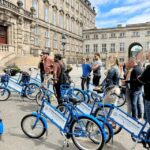
- New, high-quality e-bikes: you’ll cover more ground without beating yourself up on hills and long distances.
- Guides who share more than the postcard: Sam and Tomas show up in the feedback for being sharp and genuinely helpful.
- A route built around history plus greenery: you’re not stuck only at famous monuments.
- A local detour tip: one commonly shared bonus is a stop recommendation for Alice’s Ice Cream parlor—ask your guide.
Price and what $170 really buys you for 3 hours
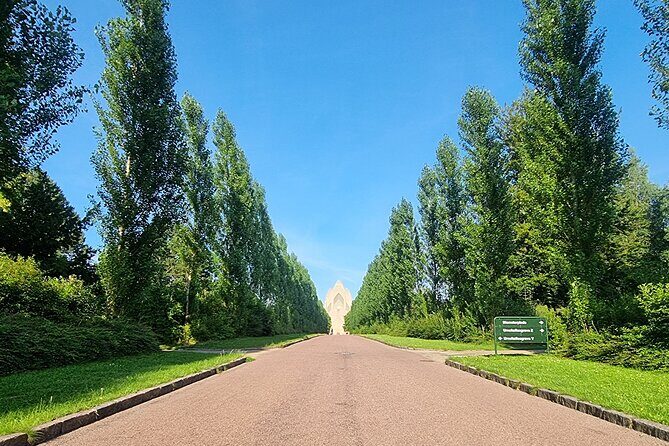
At $170 per person for a roughly three-hour private e-bike tour, you’re paying for three practical things at once: the bike/equipment setup, a guide who’s doing the navigation and explaining, and the efficiency of being on an e-bike instead of walking everything.
Is it cheap? No. But you’re not just renting a vehicle and wandering. You’re buying time savings plus local context. In Copenhagen, that matters—streets and sights are close enough to feel doable on foot, yet spread out enough that a self-guided plan can turn into lots of “Wait… where are we going next?” moments.
For me, the best value angle here is that you’re getting a curated loop that combines landmark sites (palaces and major churches) with a nature-and-green break. That mix is what turns a list of attractions into an actual experience.
Other bike and cycling tours we've reviewed in Copenhagen

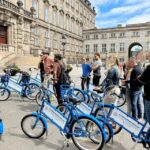
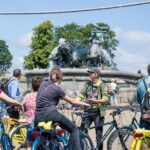
Meeting at Bådehavnsgade 42P: the part that makes or breaks the day
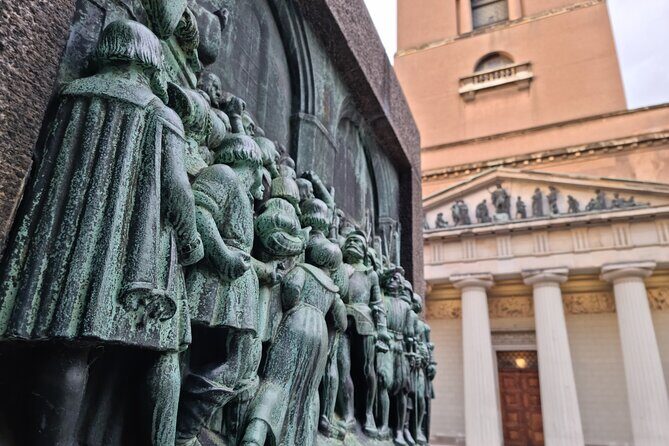
Your start point is Bådehavnsgade 42P, 2450 København, Denmark, and the tour begins at 10:00 am. It ends back at the meeting point, which is convenient if you’re syncing this with lunch or another attraction later.
This location is also described as near public transportation, which matters if you’re not staying right in the center. Aim to arrive a few minutes early. E-bike tours usually run on the “get everyone sorted fast” rhythm: check in, fit or adjust equipment, and then roll. When you’re early, you avoid the awkward scramble where you’re half-assembled and mentally rushing.
Also note the tour uses a mobile ticket, so keep your phone charged. Copenhagen days can include lots of map and photo time—battery life is a real travel constraint, not a small detail.
How the guide keeps you from getting lost (and from missing the point)
The big promise of a guided e-bike tour is simple: the guide takes care of the path and the interpretation. In this case, the route runs through some of Copenhagen’s best-known landmarks, but you’re not meant to treat it like a drive-by.
The feedback specifically calls out guides Sam and Tomas for being knowledgeable and for turning this into a true insider-style loop. In practice, that means two things for you:
- You’ll understand what you’re seeing, not just where it is.
- You’ll be guided around the parts that would be easy to misunderstand if you’re reading on a phone while moving.
This is also a private tour, so you’re not stuck with the “everyone together, move on” vibe. If you want to linger at a viewpoint or ask about a detail you spot on a building, you can usually do it without feeling like you’re holding up a huge group.
Christiansborg and the 500-year city view moment
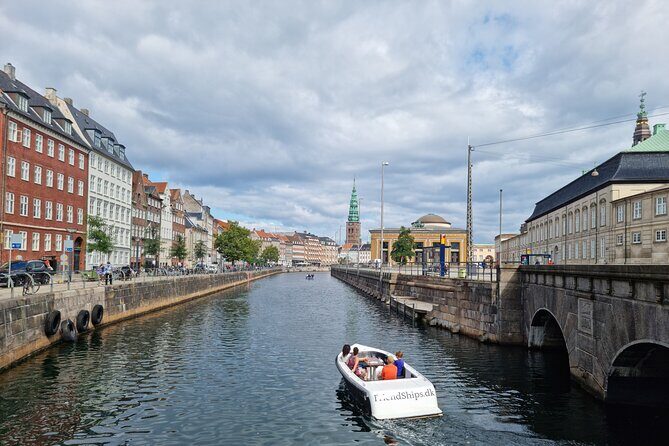
Before the named stops, the tour centers on Christiansborg, including the Danish Parliament meeting area. This is one of those places where Copenhagen stops feeling like a theme park and starts feeling like a living capital.
You’ll pause here and take in the kind of city scene that changes slowly—described as a look that’s looked similar for about 500 years. That’s a powerful contrast to how quickly modern life moves. You get a moment to see Copenhagen as an ongoing story rather than just buildings on a “must-see” list.
After that, you’ll ride around the wider area and keep picking up context as you go. This matters because the later stops (palaces, castles, churches) connect to each other. They’re not isolated photo ops. They’re parts of the same historical layout—politics, royalty, and religion all shaping the city’s center.
Stop 1: Amalienborg Palace and the royal square feel
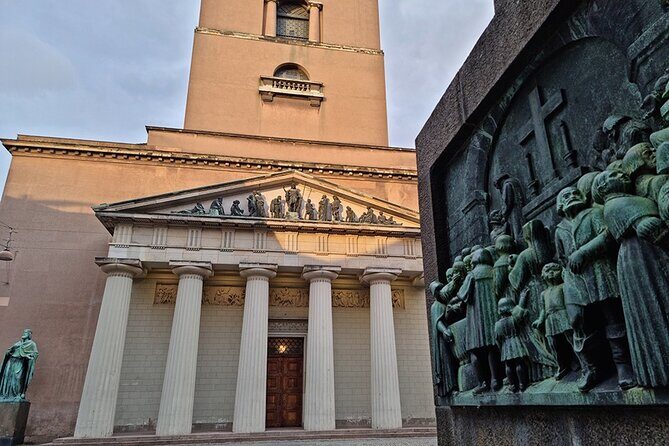
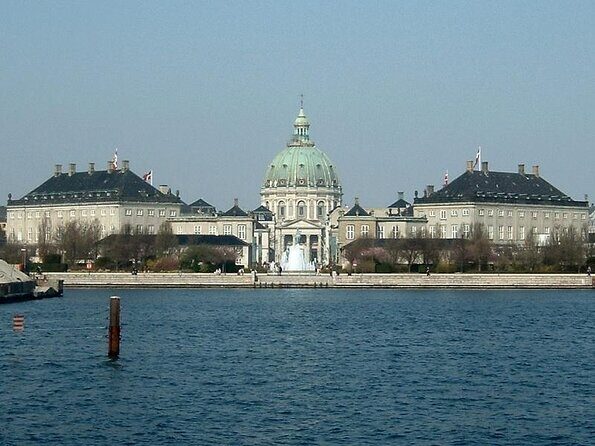
Amalienborg is your first named stop, and it’s the type of place that grabs you even before you hear a word of explanation. Palaces have a way of making you stand straighter and look longer.
On an e-bike, the advantage is timing and flow. You’re not just arriving after a long walk—you’re approaching while already in motion, so the area feels integrated with the rest of the route. That makes it easier to understand how Copenhagen’s royal core sits in relation to the streets around it.
What you should aim for here is not only photos. Use the stop to get the guide’s framing: why this royal setting matters and how it connects to Copenhagen’s history that you’ll keep seeing in the other stops. You’re building a mental map as you ride, and Amalienborg is one of the anchors.
A small practical note: palace exteriors are often busy. A guided private group can help you handle that without turning the whole stop into a traffic jam of bodies.
Other e-bike tours we've reviewed in Copenhagen
Stop 2: Rosenborg Castle for the crown-and-courtyard vibe
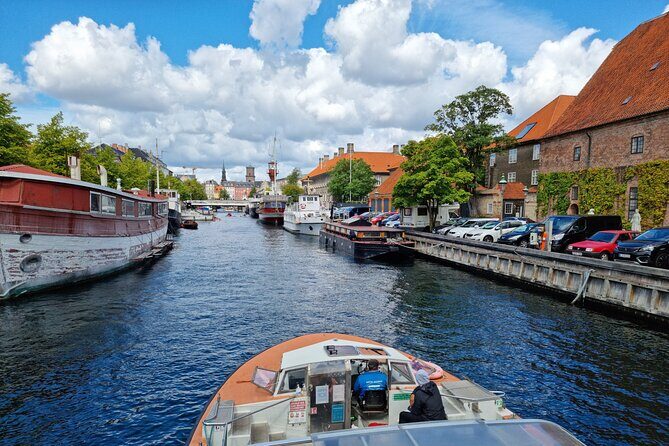
Next up is Rosenborg Castle, another major landmark that benefits from being paired with Amalienborg. Together, they help you see Copenhagen’s royal story in layers—what royalty represented, how it shaped the city’s physical layout, and how those sites have stayed important across centuries.
The castle stop also works well because your e-bike time sets you up for the pause. You arrive after riding, so you have energy to actually look closely once you dismount. If you do this as a purely walking tour, it can be tiring and you end up taking photos on autopilot. With e-bikes, the effort level stays reasonable, so you can stay present.
There’s also something satisfying about hitting the castle after two earlier historical beats. It’s not “the second random stop.” It becomes a progression. You move from royal presence (Amalienborg) to a more museum-like monument feel (Rosenborg), and the guide’s commentary should help you notice differences.
Stop 3: Vor Frue Kirke (Church of Our Lady) and the city’s rhythm
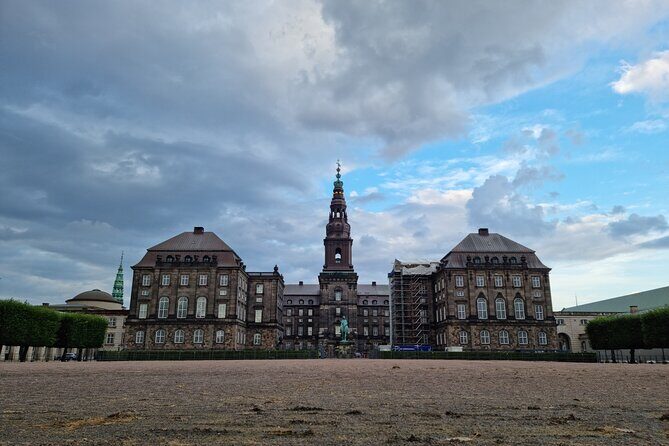
The tour’s final named stop is Vor Frue Kirke, also called Church of Our Lady. Churches can be tricky for tours—some groups rush past, while others over-focus on one angle and miss the bigger setting.
Because this tour is moving by bike, you get to see how the church fits into the surrounding city—not only as a standalone attraction but as part of a pattern of Copenhagen’s center. The “nature tone” part of the tour also sets you up nicely here. Even if you’re not fully switching to a park scene, you’re likely to feel that you’ve had a mental breather before you hit the architecture again.
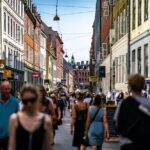
If you’re the type who likes a “slow look” during sightseeing, use this last stop for that. It’s a good point to catch details you didn’t notice earlier—steeple lines, building texture, and how streets funnel people toward the church.
The e-bike style: covering distance without feeling worked
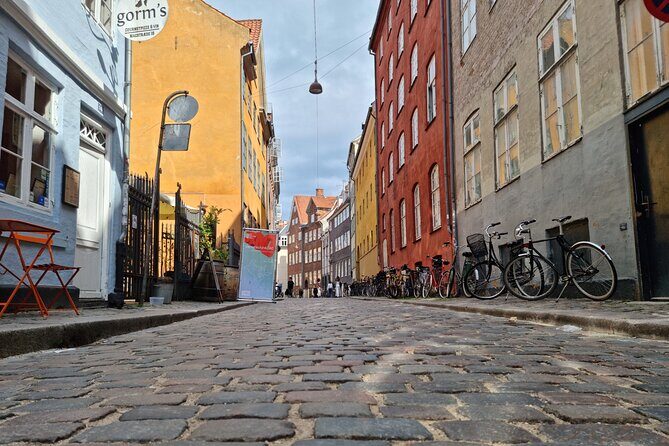
This is an e-bike tour, so your experience level doesn’t need to be “bike racer.” The tour is designed for most travelers, and it’s private, which usually helps with the pacing. You’ll still want to treat it like a real riding experience—eyes up, hands steady, and follow your guide’s instructions.
The tour’s safety information is clear that you’re acknowledging the normal outdoor activity risks, but it also emphasizes safe bikes and well-planned routes. That’s exactly what you want to hear for city riding: someone thought through the path and the logistics.
One more detail matters: there are limits listed for minimum height 158 cm / maximum weight 90 kg. If you’re outside those ranges, you might not be able to participate, even if you’re comfortable on bikes. If you’re close to the edge, it’s worth checking before assuming you’ll be able to ride.
Nature time: where the green break actually helps
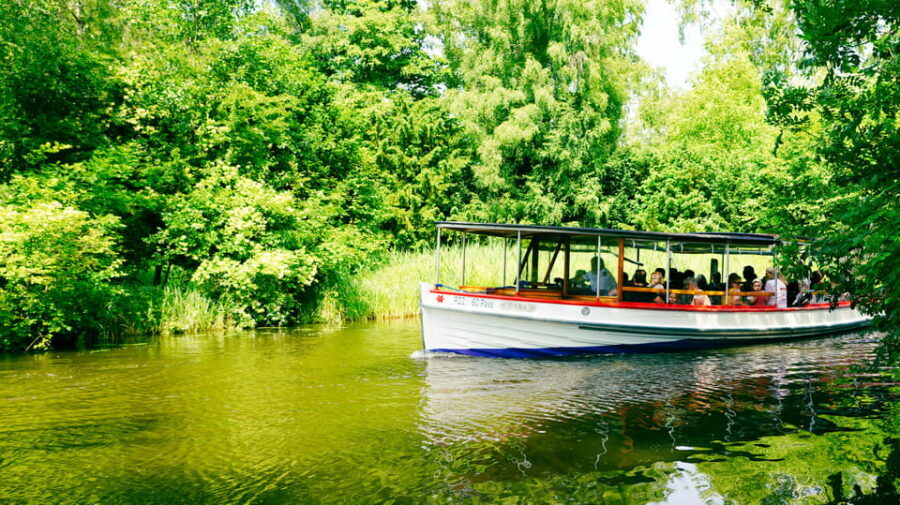
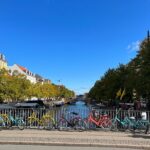
The tour isn’t only about monuments. You’re also meant to “green yourself a bit” with nature breaks—described as one of Copenhagen’s green tones—while riding.
In real-world terms, that matters because it keeps the day from turning into a nonstop museum circuit. A green pocket can reset your eyes after lots of stone and detail work. It also gives your guide room to talk about the city’s balance: how Copenhagen mixes historic buildings with areas meant for walking, resting, and breathing.
I like itineraries that don’t pretend history lives only indoors. Here, the structure is built to let you compare what Copenhagen feels like before and now—while still keeping the ride fun and not exhausting.
What I’d do differently to get the most out of the route
If you book this, you can make it even better with a bit of strategy.
1) Wear shoes you don’t mind getting a little dirty. Copenhagen streets can be damp. You’ll likely stop at curbs, turn corners, and do short walking segments.
2) Bring a layer. Being on a bike changes how you feel the wind.
3) Ask your guide one question that’s not obvious. For example: which part of the route would people miss if they only focused on the biggest names? This is where the insider style (the Sam and Tomas praise) tends to show up.
And yes, take note of the ice-cream tip you’ll hear in the feedback. If your guide mentions Alice’s Ice Cream parlor, it’s worth treating as a genuine local lead, not a generic suggestion.
Who this tour fits best (and who should look elsewhere)
This tour is a good match if you want:
- A guided way to see key Copenhagen landmarks without getting lost
- An e-bike option that makes distance feel manageable
- History explanations tied to the places you’re actually riding past
It also suits couples and friends who like a shared adventure with a guide doing the hard part. Because it’s private, it’s easier to coordinate your pace and attention.
If you want a totally quiet, contemplative day with minimal riding, you might prefer a walking-focused tour. And if weather is a strict no-go for you, keep in mind the tour requires good conditions to run.
Quick FAQ
FAQ
How long is the Copenhagen private e-bike history and nature tour?
It runs for about 3 hours.
What time does the tour start?
The start time is 10:00 am.
Where is the meeting point?
You meet at Bådehavnsgade 42P, 2450 København, Denmark.
Is this tour offered in English?
Yes, it’s offered in English.
Is the tour private?
Yes. It’s a private tour/activity, and only your group participates.
What stops are included?
The tour includes stops at Amalienborg, Rosenborg Castle, and Vor Frue Kirke. It also includes time around Christiansborg.
Is equipment rental included?
Yes. The tour includes equipment rental so you can ride without arranging it yourself.
Do I need to bring a paper ticket?
No. The tour uses a mobile ticket.
Are there height and weight requirements?
Yes. Minimum height is 158 cm and maximum weight is 90 kg.
What happens if the weather is poor?
The experience requires good weather. If it’s canceled due to poor weather, you’ll be offered a different date or a full refund.
Should you book this private e-bike adventure?
If you want a smart, guided way to connect Copenhagen’s major sights with a dose of green space, I’d book it. The strongest reason is the combination: private pacing + e-bikes + a guide who explains what you’re seeing. That’s what turns “sites” into a story you can follow.
But if you’re strict about waiting for perfect weather, or you’re outside the listed height/weight limits, don’t plan on squeezing it in last minute. This is best when you can ride comfortably and focus on enjoying the route.