REVIEW · COPENHAGEN
Copenhagen: Danish Architecture Center Entrance Ticket
Book on GetYourGuide →Operated by DAC Dansk Arkitektur Center · Bookable on GetYourGuide
Copenhagen has a slide for architects. The Danish Architecture Center (DAC) in the BLOX building turns big ideas into things you can actually see, with rotating exhibitions and hands-on surprises like a 40-meter slide. It’s the kind of place that helps you read the city differently, whether you’re with kids or you just like design.
One practical catch: the museum entrance is below ground, so you’ll need to use the stairs or escalators from Bryghuspladsen to get there smoothly.
In This Review
- Key things you’ll notice right away
- First stop: DAC in the BLOX building on the harbour
- Getting in: using stairs or escalators from Bryghuspladsen
- Rotating exhibitions: where architecture meets everyday life
- So Danish gallery: from Viking age to today
- The 40-meter DAC Slide: fun you don’t feel guilty about
- Roof-top terrace time: harbour views plus a café break
- Pricing the ticket: is $19 worth it for a 1-day visit?
- Who should book DAC: families, design fans, and first-time Copenhagen visitors
- A practical plan for your visit inside DAC
- Should you book the Danish Architecture Center ticket?
- FAQ
- Where is the Danish Architecture Center entrance?
- How long is the ticket valid?
- What is included with admission?
- Is the roof top café food included?
- How long is the slide?
- Are there options for English speakers?
- Is the building wheelchair accessible?
- Is free cancellation available?
- Can I reserve without paying right away?
Key things you’ll notice right away

- Harbourfront setting in the BLOX building with views over the water and the city’s cycle bridges and baths
- A 40-meter DAC Slide that’s included with your ticket
- Rotating exhibitions that link architecture and daily life
- So Danish tracing how architecture evolved from the Viking age to today
- Rooftop terrace access (plus a café break)
- Built for mixed crowds, from children to architecture lovers
First stop: DAC in the BLOX building on the harbour
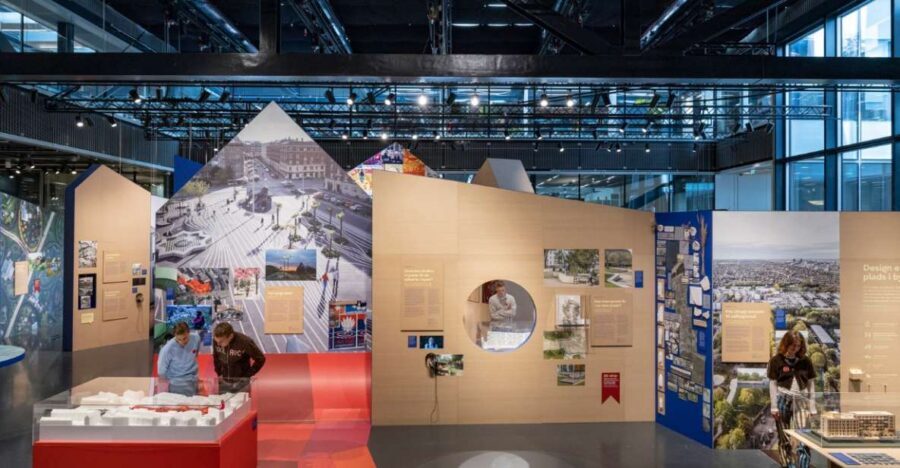
You’re going to feel the location before you even reach the exhibits. The Danish Architecture Center sits in BLOX, on the harbourfront, looking out over the historic city, the cycle bridges, and the harbour baths. That matters because DAC is not just about old buildings. It’s about how architecture shapes the way people live now—and you can see the “living now” part from the windows and terraces.
Inside, the museum’s whole tone is practical and human. Architecture can sound technical, but DAC keeps returning to the point that buildings are systems for living: function, design, and art working together. If you like learning through real examples, the changing exhibitions are a big win. They’re built to be enjoyed by children, adults, architecture fans, and anyone curious about Copenhagen.
And if you’re visiting for the first time, this place does something useful: it gives you a framework to interpret what you’ll see outside later. You stop treating the city like just “pretty buildings” and start asking why they look the way they do.
Other museums and attractions we've reviewed in Copenhagen



Getting in: using stairs or escalators from Bryghuspladsen

DAC’s entrance is below ground. That means you should not plan on a casual street-level stroll. Go to Bryghuspladsen, then take the stairs or escalators up to the correct level down into the center.
This is one of those small details that affects your whole visit. If you arrive with luggage, or you’re short on time, it helps to know upfront that you’ll be moving vertically before you can start exploring. The good news: the museum is wheelchair accessible, so there’s support for visitors with mobility needs.
Also, your ticket is valid for 1 day, but the activity has starting times based on availability. So if you want a specific time slot, check the schedule before you commit your day.
Rotating exhibitions: where architecture meets everyday life

The heart of DAC is the rotating exhibition program. The museum wants you to understand architecture as a framework for daily life, not as a distant art form.
Here’s what to expect as you wander:
- You’ll see exhibits that explain how architecture and design create the conditions where people live, work, and move around.
- Many themes focus on how buildings balance function, art, and design.
- The museum includes exhibitions you can enjoy at different interest levels, so it works even if not everyone in your group has the same level of enthusiasm for architecture.
I like that DAC doesn’t lock you into one “lecture mode.” The exhibitions are designed to keep you moving and looking at new angles. One minute you’re thinking about design choices, the next you’re thinking about welfare architecture—where the goal is practical well-being, not just visual impact.
If you’re the kind of visitor who likes to connect museum learning to what you see on the street, rotating exhibits keep the experience fresh and help you stay engaged for a full visit, not just a quick stop.
So Danish gallery: from Viking age to today

One exhibit is specifically called out: So Danish. It’s built to show Danish architecture from the Viking age all the way to today. That’s a big time span, and it’s a smart way to get perspective fast.
Even if history isn’t your main interest, this kind of long view helps you understand why certain design ideas show up again and again. It also gives you a more grounded sense of how Danish society has changed over time—and how those shifts end up in the built environment.
You can think of So Danish as your “big picture” anchor while you explore the more current themes in rotating exhibitions. When you’ve got that timeline in your head, lots of what you see around Copenhagen feels less random.
Practical tip: pace yourself here. If you rush the historical section, you’ll miss the connections between eras. Give yourself time to read the key points and look at how architectural priorities change.
The 40-meter DAC Slide: fun you don’t feel guilty about
Yes, there’s a slide. And yes, it fits the museum theme.
The DAC Slide is a featured part of the ticket and is included with admission. It’s 40 meters long, and it’s exactly the kind of attraction that makes the museum feel less like a stiff classroom and more like a place where learning can happen through play.
Why it works: it lowers the barrier. Architecture museums can be intimidating, especially if you’re visiting with children or someone who doesn’t normally gravitate to design. A slide gives you an easy win early in the visit. Then, when you go back into the exhibitions, you’re more relaxed and more open to taking in the ideas.
How to use it in your plan:
- If your group includes kids, do the slide at a point when you still have energy left for the exhibitions afterward.
- If you’re visiting mostly for architecture, treat the slide as a short break that refreshes your brain rather than the main event.
You don’t need to overthink it. Just know it’s included and count it as part of the visit, not an optional extra.
Other architecture and sustainability tours we've reviewed in Copenhagen




Roof-top terrace time: harbour views plus a café break

One of the best things about DAC is that it gives you a reason to step back and look outward. You get access to the roof top terrace, with views over the harbourfront. It’s a smart match with the museum’s theme: architecture isn’t only what you study indoors. It’s also what you experience from where you stand.
Your ticket includes entry to the rooftop area and the roof top café access. Drinks and food purchases aren’t included, so plan on budgeting a little if you want something to eat or drink. But even without ordering, the terrace is a built-in reward for spending time inside.
This is also where you can do a quick “interpretation check.” Look outward and ask yourself what you’re noticing now that you’ve learned about design and function. That small habit makes the museum feel more useful and less like a one-off stop.
If you’re a photo person, this terrace is where your photos will make sense. In other words, they won’t just be pretty shots—they’ll be tied to what you saw inside.
Pricing the ticket: is $19 worth it for a 1-day visit?

The price is listed as $19 per person, and the ticket is valid for 1 day. That’s a key part of the value. You’re not buying a timed tour where you have to rush. You’re buying entry to the center and the open exhibitions, plus access to the slide and roof top café area.
So what are you really paying for?
- You’re paying for the core admission to the Danish Architecture Center
- Included access to all open exhibitions
- Included access to the DAC Slide
- Included access to the rooftop café area (with food and drink available for purchase)
On top of that, the museum sits in BLOX, in a prime harbourfront location. The building itself is part of the experience, and your visit is enriched by views you can’t get from a typical indoor museum.
If your day in Copenhagen is packed and you want one place that mixes design learning with actual fun, DAC is a reasonable choice for the money. It’s also worth it if you’re the type who likes to understand a city’s mindset through what people build.
If you’re only interested in one narrow topic and don’t want to spend time moving through multiple exhibitions, you might find it less efficient. But for most visitors, it’s a strong “one ticket, many angles” deal.
Who should book DAC: families, design fans, and first-time Copenhagen visitors
DAC works best when you’re open to architecture as culture.
It’s a great fit if:
- You’re traveling with children and want something educational that still feels playful
- You like design, planning, or city thinking, even if you’re not a hardcore architecture critic
- You’re in Copenhagen for the first time and want a way to read the city beyond landmarks
- You enjoy museums where you can shift from hands-on highlights (like the slide) to thoughtful exhibits
It’s also a solid pick if you care about welfare architecture. The museum explicitly highlights that function, art, and design are all part of welfare-building ideas. That perspective can change how you view public buildings and housing in Denmark.
Who might pause before booking? If you already know you only want historic churches, palaces, or classic art galleries, DAC may feel more conceptual. But if your travel style includes “understand the place,” DAC is exactly that.
A practical plan for your visit inside DAC
You don’t need a detailed schedule, but a simple approach helps you get the most from the ticket.
Here’s a straightforward flow that matches what DAC offers:
- Start with the rotating exhibitions first, because they set the theme and teach you the museum’s way of thinking.
- Then go to the So Danish section for the bigger historical context from the Viking age to today.
- Take a break with the 40-meter slide when you want energy back in the middle of the visit.
- Finish by using the roof-top terrace to look out over the harbourfront and connect what you learned to what you see outside.
Keep your time flexible. The visit is valid for 1 day, and starting times depend on availability, so choose a slot that lets you linger without panic.
Also, you can expect English and Danish. That matters if you’re relying on clear explanations as you go. The host/greeter is listed as Danish and English, which usually means you’ll be able to get help if something is unclear.
Should you book the Danish Architecture Center ticket?
I’d book this if you want one place that blends real Copenhagen context with design learning and a genuinely fun highlight. The combination of rotating exhibitions, So Danish’s time-spanning story, the included slide, and roof-top terrace views makes the ticket feel like a full experience instead of a quick stop.
It’s also easy to justify the value: $19 for entry to all open exhibitions, the slide, and rooftop access is a straightforward deal—especially if you’ll actually use those features rather than just passing through.
One more check before you decide: because the entrance is below ground, plan your arrival with that in mind. If you’re already good at navigating stairs and escalators, you’ll be fine.
If you’re aiming for a museum that changes how you see the city—through how Denmark builds and why—it’s a smart booking.
FAQ
Where is the Danish Architecture Center entrance?
The entrance is below ground. You’ll reach it by taking the stairs or escalators from Bryghuspladsen.
How long is the ticket valid?
The ticket is valid for 1 day. Starting times can vary based on availability.
What is included with admission?
Your ticket includes entry to the Danish Architecture Center, access to all open exhibitions, the DAC Slide, and access to the roof top café area.
Is the roof top café food included?
Food and drink purchases are not included. You have access to the roof top café, but you’ll pay if you order.
How long is the slide?
The slide is listed as 40 meters.
Are there options for English speakers?
Yes. The center offers Danish and English.
Is the building wheelchair accessible?
Yes, the activity is wheelchair accessible.
Is free cancellation available?
Yes. You can cancel up to 24 hours in advance for a full refund.
Can I reserve without paying right away?
Yes. You can reserve now and pay later to keep travel plans flexible.