REVIEW · COPENHAGEN
Copenhagen: National Museum of Denmark Entry Ticket
Book on GetYourGuide →Operated by The National Museum of Denmark · Bookable on GetYourGuide
Denmark’s past comes indoors fast. The National Museum of Denmark strings together thousands of years in one big, visitor-friendly building, with special shows that make the Vikings feel surprisingly close. I like how you can go from very old remains to Viking-age stories without needing a tour bus or a checklist.
Two things I’d circle right away: the Viking Sorceress / Völva style exhibition (with myth, objects, and atmosphere) and the way the museum shows Denmark’s sweep from Stone Age and Bronze Age finds onward. I also appreciate that it is built for a self-paced visit, so you can slow down when something catches your eye.
One possible drawback: it’s easy to get turned around in the connected rooms, and there is a lot of information—so if you want a quick hit, you may find you have to choose your favorite floors and themes.
Key things I’d plan around
- Viking Sorceress (Völva) exhibition: part objects, part storytelling, and a big crowd favorite
- 14,000 years of Denmark covered in one place, including Stone Age and Bronze Age remains
- Interactive or themed exhibitions pop up, like a vampire exhibition mentioned by visitors
- Expect lots of rooms: comfortable pace matters more than speed
- On-site cafe and shop are worth budgeting time for, especially if you want a long visit
In This Review
- First Look: What Makes the National Museum Worth Your Time
- Getting In With a Simple Entry Ticket (and No Real Stress)
- 14,000 Years in One Building: How the Museum’s Layout Helps You Think
- Stone Age and Bronze Age Finds: Where the Timeline Starts
- The Vikings Section: Not Just a Theme, a Whole Atmosphere
- Viking Sorceress / Völva: What You’ll Actually Want to Look For
- Special Exhibitions: Vikings, Vampire, and That Sometimes-Seasonal Feel
- Audio, Self-Guided Flow, and the Best Way to Pace Yourself
- The Cafe and Shop Stop You’ll Be Glad You Made
- How Long Should You Spend Here?
- Value Check: Is a $21 Ticket Worth It in Copenhagen?
- Should You Book the National Museum Ticket?
- FAQ
- How do I use the entry ticket voucher?
- Where is the National Museum of Denmark?
- How long is the ticket valid?
- Is the museum wheelchair accessible?
- Is the visit self-guided?
- About how long should I plan to spend inside?
- Are there special exhibitions?
- Is there a cafe or place to eat inside?
- Are there starting times or specific entry slots?
First Look: What Makes the National Museum Worth Your Time

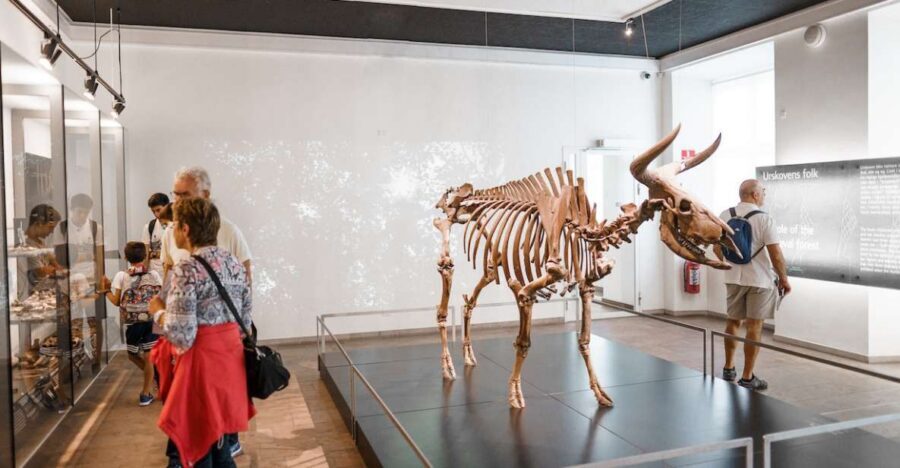
The National Museum of Denmark is the country’s largest cultural museum, and it behaves like one: big, organized, and packed with artifacts that cover everything from early prehistory to later Danish history. The payoff is that you can build a mental timeline while you walk, instead of bouncing between separate sites.
If you are into the Vikings, this museum is a clear win. Multiple highlights point back to a Viking-age exhibition tied to a sorceress theme, with myth references and objects that help explain how people viewed the world.
If you are not a Viking person, don’t panic. The museum’s strength is that it is not only about one era. You get a broad, Denmark-focused story plus themes tied to explorers and the wider world.
Getting In With a Simple Entry Ticket (and No Real Stress)
This experience is an entry ticket to the National Museum of Denmark, and you use it by showing your voucher at the ticketing desk. The best part for planning is that the ticket is valid for 365 days, so you can buy now and decide later which day fits your Copenhagen schedule.
You’ll see references to starting times, so if you have a specific hour in mind, check what’s available. Also, keep in mind that the museum is popular, so arriving earlier in the day can help you avoid the most crowded moments.
It is also wheelchair accessible, so you can expect accessible routing inside the museum. For anyone using a mobility aid, it’s still smart to give yourself extra time—big museums can feel less intuitive than small ones.
Other museums and attractions we've reviewed in Copenhagen



14,000 Years in One Building: How the Museum’s Layout Helps You Think
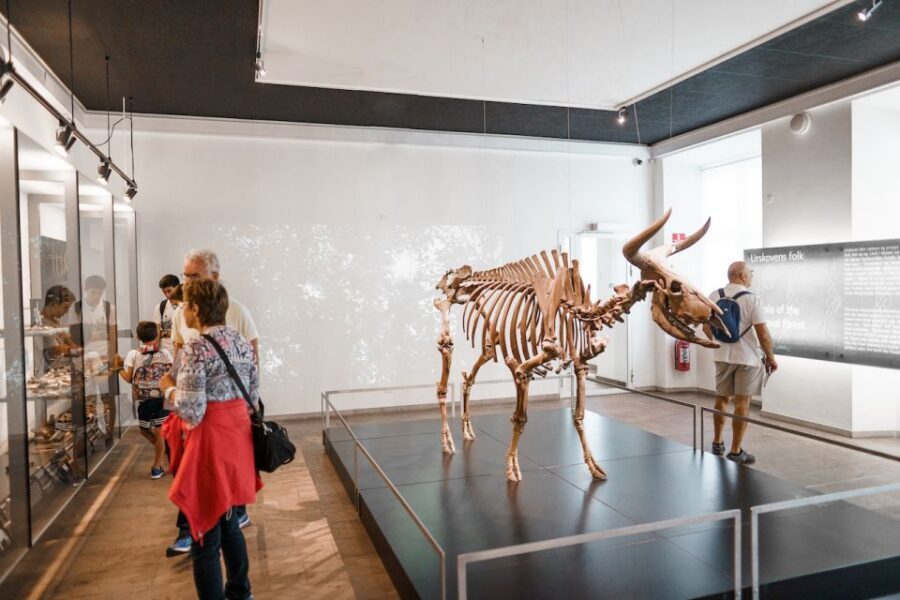
One of the best things about this museum is how it helps you connect eras. You are not just looking at isolated displays; you are walking through a timeline of Danish culture and history, and the building’s structure lets you build context.
That said, there is a tradeoff. Visitors describe the museum as huge and sometimes confusing to follow, with adjoining rooms that make you lose your sense of direction. I’d treat it like a choose-your-own-adventure: decide what you want most (Vikings, prehistory, Danish exploration, or a specific special exhibition), then let the rest be bonus.
If you like to take photos, read labels, and linger, plan on a longer visit. People mention spending around 4 to 5 hours and even coming back the next day when something grabbed them.
Stone Age and Bronze Age Finds: Where the Timeline Starts

The museum highlights include remains uncovered from the Stone Age and the Bronze Age. This is where the experience becomes more than Viking costumes and runes—because you get the sense of how far back people lived and worked in what is now Denmark.
What I like about starting here is the mental shift. Instead of jumping straight to the most famous era in Nordic pop culture, you meet everyday reality first: early societies, early tools, early burial and ritual clues (as presented by the museum’s displays).
If your main goal is Vikings, this section can still be worth it. Pre-Viking artifacts add contrast, and when you later see Viking-age objects tied to belief and practice, you understand the museum is showing continuity and change, not just a single storyline.
The Vikings Section: Not Just a Theme, a Whole Atmosphere

This is where the museum earns its reputation. The Viking exhibitions are described as brilliant and genuinely immersive in the way they mix objects, scenes, and storytelling.
The star mentioned again and again is the Viking Sorceress / Völva display. Visitors call it interactive and amazing, with fascinating pieces and scenes connected to the Eddas and Sagas. There’s even specific mention of objects such as horns used as lurs (curving horns) and items associated with mythic and ceremonial life.
Why this matters for you: a Vikings exhibit can turn into stereotypes fast—boats, helmets, and violence. This one leans into belief, ritual, and the Viking worldview. That makes it feel more human and more interesting, especially if you care about how people explained the universe.
Viking Sorceress / Völva: What You’ll Actually Want to Look For
If you go just for one thing, make it the Viking Sorceress angle. Visitors describe it as containing items used by Viking sorceresses around 1,000+ years ago, plus famous Denmark-specific artifacts.
A few details pop up in reviews that give you a sense of what to watch for:
- giant curving horns (lurs)
- a sun chariot described among the favorites
- helmets and items linked to Bronze Age and older periods
Even if your tastes are more casual, you’ll likely enjoy how the exhibit frames the relationship between myth and everyday practice. It also tends to make people pause, which is what you want from a museum exhibit.
A few more Copenhagen tours and experiences worth a look



Special Exhibitions: Vikings, Vampire, and That Sometimes-Seasonal Feel
One reason this museum keeps scoring high is that it doesn’t rely on only permanent galleries. Reviews mention a vampire exhibition and describe it as interactive, plus other themed displays that can shift your experience from visit to visit.
There are also mentions of a seasonal vibe at times, like an atmosphere during Christmas. That’s not something you can count on every day, but it’s a sign the museum can feel more alive than a purely static collection.
Practical move: if you see a special exhibition title you care about, prioritize it early. When you’re fresh, it’s easier to absorb the extra context, and you’re less likely to feel you’re speedrunning the place.
Audio, Self-Guided Flow, and the Best Way to Pace Yourself
This visit is effectively self-guided, and many people mention doing it at their own pace. If you use an audio or highlight tour, it can help you avoid the overload feeling that comes with big museums.
One caution: audio quality varies by exhibit. A review notes the Viking sorceress audio could be better, so if audio is your main plan, don’t assume every track will feel equally good. You can still rely on the visuals and labels; the exhibits are set up to work even if you skip audio.
A pacing trick: pick one main focus for each major era. For example, prehistory in one pass, Vikings next, and then one special exhibit at the end. That keeps you from getting stuck in one room too long.
The Cafe and Shop Stop You’ll Be Glad You Made
Plan time for the cafe, because reviews praise it as superb and delicious, with a great atmosphere. If you’re doing 4–5 hours, a break will keep your brain from going museum-flat.
The museum shop also gets mentions. People describe it as having irresistible items, with enough cool Viking and history-themed merchandise that you may lose track of your budget.
This matters for value: the entry ticket buys you access to the museum collections, but your overall satisfaction depends on whether you can recharge. A good onsite cafe makes a long day feel doable.
How Long Should You Spend Here?
Most people seem to treat this as a half-day to full-day museum. Reviews include examples of:
- about 3–4 hours for a speedy visit
- 5 hours when someone wanted to slow down and see lots of floors
- even a second visit the next day when one exhibit hooked them
My recommendation: if Vikings and Norse mythology are a priority, plan at least 4 hours. If you are also curious about prehistory and Danish explorers, give yourself more time so you don’t feel forced to sprint.
If you’re traveling with kids, be aware the museum can be overwhelming. One review says it could be a lot for children due to how much there is to see and the number of items that aren’t behind glass. A shorter, targeted route might be smarter than a full timeline tour.
Value Check: Is a $21 Ticket Worth It in Copenhagen?
For about $21 per person, the value comes from scale and choice. You are paying for access to a museum that covers an enormous span of time, plus special exhibitions that can change the experience.
You also get flexibility because the ticket is valid for 365 days. That reduces the pressure to pick the “perfect day.” If your Copenhagen weather goes sideways, this is exactly the kind of indoor plan that saves your itinerary.
I’d call it great value if:
- you want one stop to cover Denmark’s past
- Vikings (especially the sorceress / Völva angle) are on your list
- you enjoy reading labels and seeing lots of artifacts up close
I would hesitate if:
- you only have a couple hours total and don’t want to choose
- you want highly interactive exhibits all the time (a few reviews wish for more interactive elements in the Viking sorceress audio/experience)
Should You Book the National Museum Ticket?
If you’re in Copenhagen and you want one museum that can feed both your curiosity and your schedule, I think it’s a smart booking. The Viking Sorceress / Völva exhibit is a real magnet, and the prehistory sections keep it from feeling like a one-theme stop.
Book it if you can spare half a day and you like history that stretches back thousands of years. Skip (or shorten your plan) if you are tight on time, dislike large museums, or want only one kind of exhibit.
In practice: this is the kind of ticket that works as a foundation day plan. When you build around it, the rest of Copenhagen gets easier to enjoy.
FAQ
How do I use the entry ticket voucher?
Show your voucher at the ticketing desk of the National Museum of Denmark.
Where is the National Museum of Denmark?
The museum is in Copenhagen, Denmark, in the Zealand region.
How long is the ticket valid?
The ticket is valid for 365 days.
Is the museum wheelchair accessible?
Yes, the museum is listed as wheelchair accessible.
Is the visit self-guided?
Yes, it is self-guided, so you can move through the exhibits at your own pace.
About how long should I plan to spend inside?
Many visitors suggest planning around 4 hours or more, with some spending about 5 hours to see a lot.
Are there special exhibitions?
Yes. Visitors mention special exhibitions such as the Viking Sorceress and a vampire exhibition.
Is there a cafe or place to eat inside?
Yes, there is a cafe, and multiple reviews describe it as very good.
Are there starting times or specific entry slots?
The information says you should check availability to see starting times.