REVIEW · COPENHAGEN
Copenhagen Architecture and Sustainability Tour with local Guide
Book on Viator →Operated by Tropical Bikes · Bookable on Viator
Copenhagen on two wheels makes sense. This eco-focused architecture tour lets you see how the city thinks about sustainability through real buildings, parks, and public space—on a guided ride instead of random sightseeing. I like that it’s built for momentum: short stops, then you’re pedaling again.
Two things I really like: first, the route goes beyond the usual postcard spots and into places like social sustainability experiments and reused city structures. Second, you get a local guide who can explain what you’re seeing in plain language, the kind of storytelling I’ve associated with guides like Jörn and Julia.
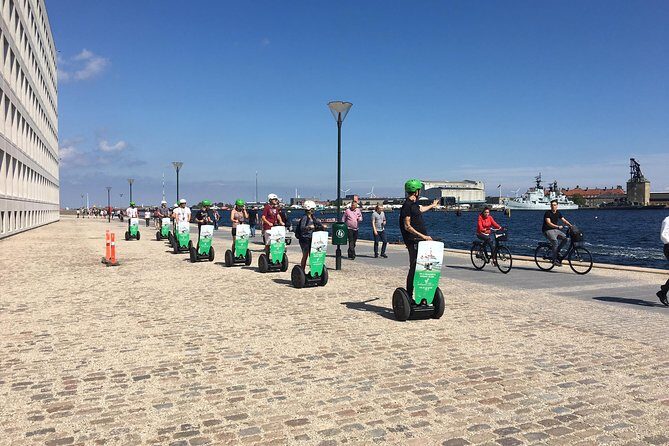
One consideration: you’ll be cycling for roughly 11 km and the inner-harbor areas can feel busy, especially around the first waterfront stretch. Also, the tour needs good weather, so have a flexible mindset.
In This Review
- Key things that make this tour worth your time
- Why this bike tour fits Copenhagen so well
- Price and value: what you’re really paying for
- How the ride works in real life (fitness, distance, and pacing)
- Where you start and what to expect before you ride
- The sustainability-and-architecture stops that make the tour click
- Blox: sustainability in a mixed-use block
- Lille Langebro: a bridge that connects people, not just traffic
- Havnebadet (Islands Brygge): the harbor becomes a place to use
- Tietgen Residence Hall: social sustainability you can see
- DR Koncerthuset: culture in a purpose-built setting
- Amager Fælled: from military training and dumping to near-untouched nature
- Cykelslangen: bridges designed exclusively for cyclists
- Enghave Park: rain control through redesign
- Folkehuset Absalon: reuse through a community center
- Kødbyen (Meatpacking District): industrial architecture with planning behind it
- Israels Plads and Torvehallerne: public space shifts over time
- Ørstedsparken: reuse of defenses into a park with a moat-lake
- The bigger lesson: what Copenhagen’s sustainability looks like on the ground
- The guide experience: what makes the explanations feel worth it
- Extra costs and bike options if you want more comfort
- Crowds and weather: the two things that can change your experience
- Who this tour suits best
- Should you book this Copenhagen Architecture and Sustainability Tour?
- FAQ
- How long is the Copenhagen Architecture and Sustainability Tour?
- How much biking is involved?
- What’s included in the price?
- Are the tour stops free to enter?
- What is the group size?
- Is the tour offered in English?
- Do I need a certain fitness level?
- Can I get an e-bike or cargo bike?
- Where does the tour start and end?
- What happens if the weather is bad or I need to cancel?
Key things that make this tour worth your time
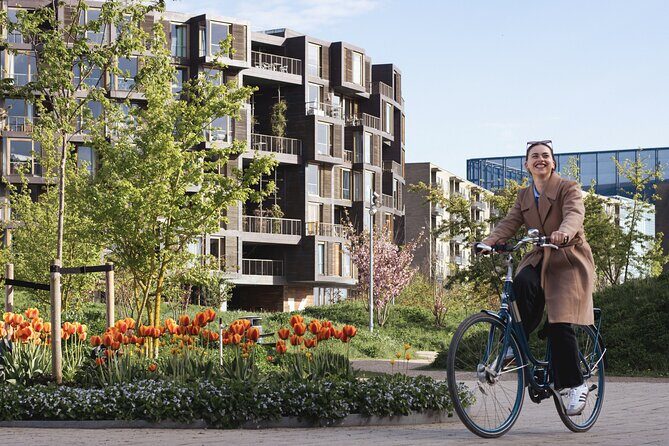
- Eco-minded architecture and urban design you can actually spot as you ride
- Bike-first Copenhagen routes with new harbor crossings made for cyclists
- Free entry at every main stop, so your money stays in your pocket
- Small group size (max 15) for a calmer pace and easier questions
- A guide who ties buildings to everyday life, not just facts
- Most stops are quick (5–15 minutes), so you’ll cover more ground than a walking tour
Why this bike tour fits Copenhagen so well
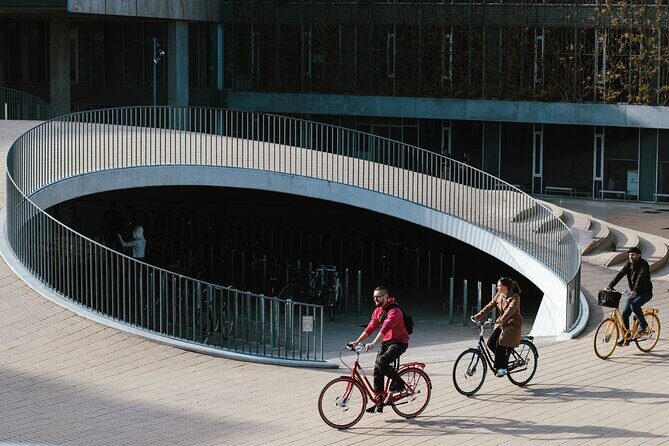
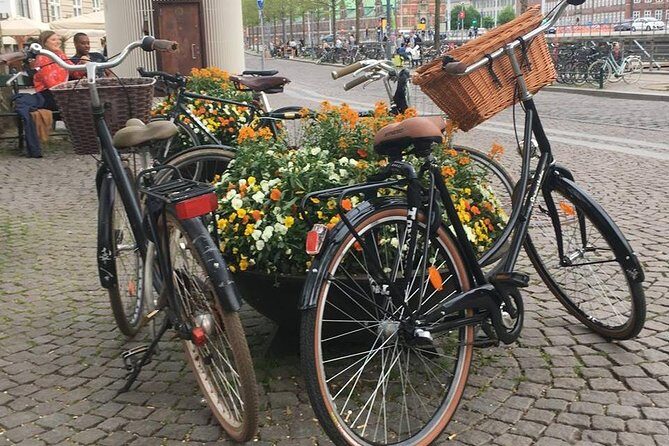
Copenhagen is famous for bikes, but lots of visitors only experience the idea. This tour helps you use the system properly, with a guide at hand and clear reasons behind what you’re seeing. You’re not just passing landmarks—you’re connecting them to how the city manages people, water, space, and resources.
The sustainability angle here is practical. You’ll notice it in design choices (like reuse and sharing common spaces), in infrastructure (bike bridges and rain-management parks), and in civic decisions (turning the harbor from working space to public life). It’s the kind of perspective that makes the city feel less like a checklist and more like a living plan.
And because you’re on a bike, you get distance without the strain of long walking stretches. That matters in a place where the best architecture often sits slightly off the main tourist lines.
Other architecture and sustainability tours we've reviewed in Copenhagen


Price and value: what you’re really paying for
The tour costs $72.57 per person for about 3 hours. That price can feel fair fast once you see what’s included: bicycle use, a local guide, helmet availability (upon request), and toilets at the store. The tour also keeps things efficient—covers multiple key sites with minimal downtime.
Most importantly for value: the major stops you visit are marked with free admission. So you’re not paying a stack of entrance fees while trying to understand the city. You’re investing in guidance and logistics, not tickets.
Optional add-ons exist if you want more comfort or the “right bike for you,” like phone holders/baskets or bigger bike upgrades (more on that below). But the base tour is straightforward: you ride, you learn, you see.
How the ride works in real life (fitness, distance, and pacing)
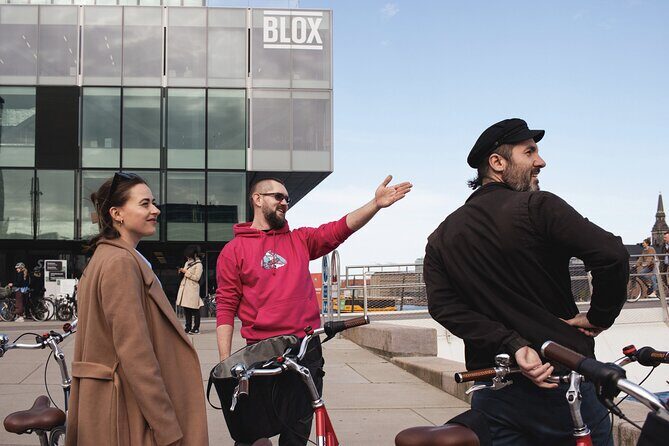
Plan for moderate physical fitness. The tour is roughly 11 km of biking between stops, which is not a casual stroll. It’s also not extreme cycling, but it does ask you to be comfortable on a bike for sustained stretches.
The schedule is built around short photo-and-explain moments. Many stops are 5–15 minutes, then you move on. That pacing is a feature for time-poor travelers: you’ll cover a lot of ground without the “wait, shuffle, repeat” rhythm that can happen on foot.
You’ll also be part of a small group capped at 15. That size helps the guide keep everyone together and makes it easier to ask questions when something clicks—like why a neighborhood feels the way it does or what a specific design choice is trying to solve.
Where you start and what to expect before you ride
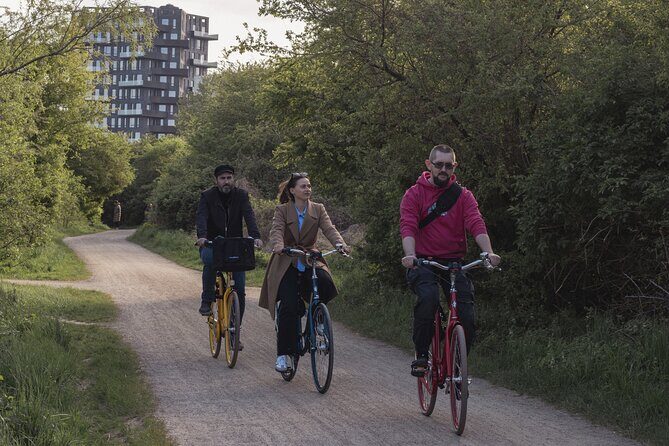
You begin at Vester Voldgade 2, 1552 København and return there at the end. The meeting point is noted as near public transportation, which is handy if you’re coming in from another part of town.
Before rolling, take a moment to confirm your bike fit and ask for a helmet if you want one. If you’re using a children’s bike, sizes are available in different categories, but you’ll need to contact the operator for availability.
The sustainability-and-architecture stops that make the tour click
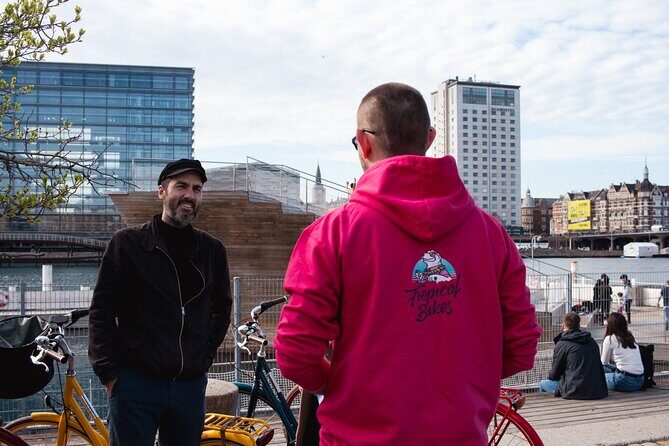
This is the fun part: you pass through Copenhagen’s “why” zones—places where the city’s choices show up in materials, layout, and everyday use.
Other tours with a local guide we've reviewed in Copenhagen


Blox: sustainability in a mixed-use block
You start at Blox, a mixed-use building designed with sustainability in mind—both technically and socially. The building is closely tied to architecture education through DAC, which runs exhibitions about Copenhagen architecture. The key for you: even if you’re not stepping deep inside, the stop frames the tour’s bigger idea that sustainability isn’t only energy numbers—it’s also how people interact in shared spaces.
Lille Langebro: a bridge that connects people, not just traffic
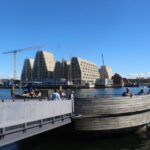
Next is Lille Langebro, one of the newer harbor bridges that helps stitch together routes for pedestrians and cyclists across the harbor. Copenhagen has been transforming the harbor area from “get through” space to “spend time here” space, and this bridge is part of that shift. The practical takeaway: you’re seeing how connectivity becomes public life.
Havnebadet (Islands Brygge): the harbor becomes a place to use
At Havnebadet Islands brygge, you’ll pause for a quick look at the Harbour Bath concept. When it opened in 2003, it marked a big change in how Copenhagen relates to its harbor. This stop matters because it’s an everyday version of sustainability: reclaiming waterfront space and turning it into active public recreation.
Tietgen Residence Hall: social sustainability you can see
The Tietgen Residence Hall is designed around supporting personal development for about 400 inhabitants—balancing individual space with community life. The rooms are smaller and include washrooms, while living rooms, kitchens, and many other amenities are shared. This is the tour’s most direct lesson in “social sustainability.” It’s not a theory stop; it’s a built model of how daily routines can encourage community.
DR Koncerthuset: culture in a purpose-built setting
You’ll ride by DR Koncerthuset, home to a concert hall with 1800 seats, associated with the Royal Symphony Orchestra, plus smaller stages and recording studios. Even though the stop isn’t described as a sustainability project, it’s useful context: cultural infrastructure shapes how cities use space and how people feel about public investment.
Amager Fælled: from military training and dumping to near-untouched nature
At Amagerfælled, the story gets real. It used to be used as a military training ground and shooting range up until the 1950s, and afterward it became a garbage dump—an old local joke about lorteøen (shit island). Today, it’s presented as a rare example of relatively untouched nature in Copenhagen, ironically positioned largely on artificially reclaimed land. This stop adds an important sustainability angle: the city’s environment can be repaired, but the timeline still matters.
Cykelslangen: bridges designed exclusively for cyclists
Then comes Cykelslangen (with the related Bryggebroen context). Together, these were among the first new harbor crossings built exclusively for cyclists. You feel the difference immediately: Copenhagen isn’t only allowing cycling; it’s planning around it. That’s infrastructure sustainability in action—safe, predictable movement makes cycling the default.
Enghave Park: rain control through redesign
In Enghave Park, you get a different sustainability type: climate and water management. The park was built in the late 1920s on the site of former allotment gardens, laid out in a neoclassical style with a bandstand, playground, and sports fields. Between 2017 and 2019 it went through a complete redesign with a major focus on handling torrential rains in Copenhagen.
This is one of those stops where you’ll start seeing “infrastructure disguised as park.” You’re not just enjoying greenery—you’re seeing a solution to urban water challenges.
Folkehuset Absalon: reuse through a community center
At Folkehuset Absalon, you see a former church converted to a privately run community center. The concept is simple and effective: reuse existing structures instead of building from scratch. Even with a short stop, you’ll understand the point—architecture can keep serving people even after its original purpose changes.
Kødbyen (Meatpacking District): industrial architecture with planning behind it
You’ll pass through Copenhagen’s meatpacking district, Kødbyen, planned by the city to create more sanitary, healthier conditions for the meat business as Copenhagen grew. The district expanded through additions over the 19th and 20th centuries, showing industrial architecture as the city scaled.
This stop is worth your attention because it connects “built form” to public health and regulation. Sustainability isn’t only nature. It’s also sanitation, planning, and the systems that keep a growing city working.
Israels Plads and Torvehallerne: public space shifts over time
At Israel’s Square with Torvehallerne adjacent, you’re in an area that functions as a meeting point for food-focused culture. Historically there was a farmers’ market here when strict no-building policies for the walled city ended in the 1890s until the 1950s. Later, the area became a parking lot.
That history is a great reminder: city space is never fixed. It evolves with what people need and value—food markets, social gathering, and even transport priorities.
Ørstedsparken: reuse of defenses into a park with a moat-lake
Finally, you’ll visit Ørstedsparken, an early example of reuse. It was once part of the city’s defenses outside the walls. After the city wall was demolished, the area became a park, retaining parts of the former moat as a lake inside the park—with dramatic hills and crooked paths.
This stop is ideal for anyone who loves when history isn’t “walled off” but repurposed into something you can walk through every day. It also helps you spot reuse themes across the whole tour.
The bigger lesson: what Copenhagen’s sustainability looks like on the ground
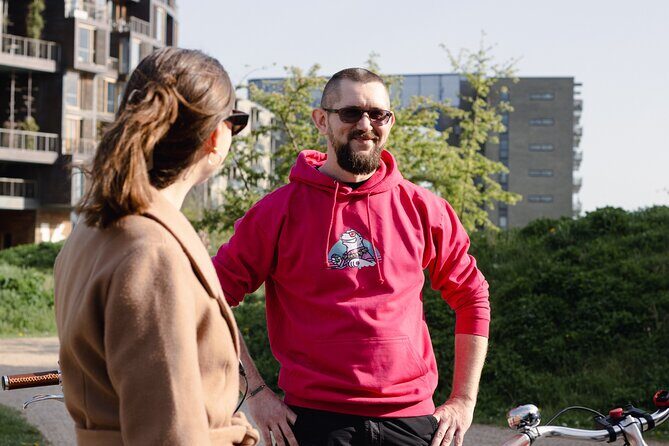
After you’ve seen a few of these sites, patterns start to form.
First is social sustainability—places like Tietgen Residence Hall are built for shared life, not just individual living. That same logic shows up in how community spaces get created from older structures, like a church turning into Folkehuset Absalon.
Second is climate resilience and water thinking. Enghave Park’s redesign for torrential rains is a clear example, and the harbor-focused stops (Lille Langebro, Havnebadet, and the cyclist bridges) show how water can be integrated into daily life rather than treated only as a boundary.
Third is reuse and transformation. Ørstedsparken repurposes defense into recreation, and Kødbyen shows how older industrial zones can document how a city grew while continuing to shape the urban fabric.
When a guide explains these connections clearly, you leave with a mental map: not just where the buildings are, but why the city built them this way.
The guide experience: what makes the explanations feel worth it
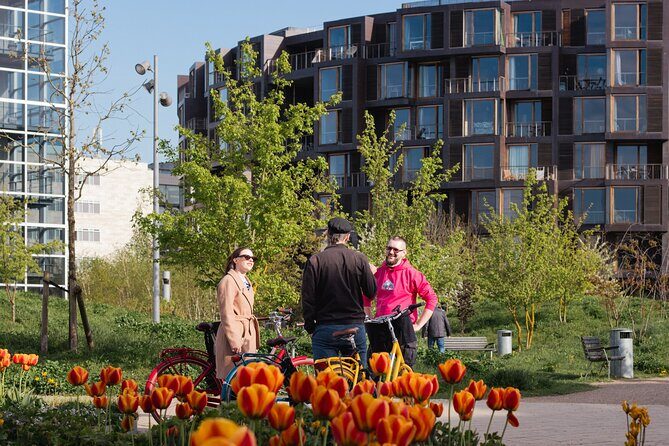
This tour lives or dies by the guide’s ability to connect details into a bigger picture. The information you get isn’t just a list of facts. It’s framed around how Copenhagen developed in more recent years and how design choices affect daily life.
In particular, guides like Jörn are described as friendly and competent at bringing city development into focus. Another guide, Julia, is noted for a quick, interesting, and technically strong style of guiding. If you care about learning while moving, this is exactly the kind of format that works.
Extra costs and bike options if you want more comfort
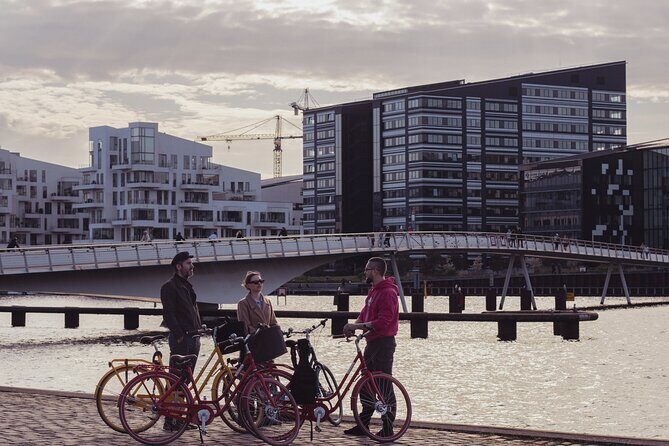
The base tour includes bike use, but you should know what can cost extra:
- Bike extras like phone holders and baskets can be booked for 49 DKK per item.
- Bike upgrades include: cargo/tandem (449 DKK), e-bike (249 DKK), e-cargo (649 DKK), and child-seat (119 DKK).
- Kids’ bikes are available in different sizes, but you need to check availability in advance.
If you’re unsure what to choose, I’d base it on how comfortable you are with regular cycling. The route is manageable, but the city is still a city.
Crowds and weather: the two things that can change your experience
This tour requires good weather. If conditions are poor, you’ll be offered another date or a full refund.
The other “reality check” is crowding. Some parts of the harbor/inner-city waterfront can get packed, and that can slow the early moments—especially around the first waterfront area. The trick is to stay patient and let the guide guide you through the busy spots without fighting for space.
Also, because you’re on a bike, it helps if you’re mentally ready to move. This isn’t a museum marathon, and it won’t be trying to be.
Who this tour suits best
I’d book this if you:
- want architecture and sustainability in a form that’s practical, not just theoretical
- prefer cycling over walking
- like learning while moving through real neighborhoods
- have limited time and want a route that covers a lot in about 3 hours
- want a small-group experience (max 15)
You might think twice if you:
- hate biking or struggle to ride for long stretches
- want long indoor stops where you can linger
- are visiting during weather that could affect road comfort and planning
Should you book this Copenhagen Architecture and Sustainability Tour?
Yes, if you want a smart, efficient way to understand how Copenhagen solves problems with design—especially the mix of social sustainability, reuse, and water-aware planning. The free admission at key stops plus the included bike and guide make the price feel grounded rather than padded.
Book it with confidence if you enjoy cycling and want your city view to come with context. Skip it only if weather is questionable or you’d rather spend your time on slow, deep museum-style visits. This tour is at its best when you’re ready to pedal, look, and learn in motion.
FAQ
How long is the Copenhagen Architecture and Sustainability Tour?
It runs for about 3 hours (approx.). The hours listed are the time taken on the journey and are considered approximate.
How much biking is involved?
There’s roughly 11 km of biking in between stops during the tour.
What’s included in the price?
The tour includes bicycle use, a local guide, access to toilets at their store, and free bike helmets upon request.
Are the tour stops free to enter?
Each of the listed main stops includes free admission (marked as Free admission ticket).
What is the group size?
The tour has a maximum of 15 travelers.
Is the tour offered in English?
Yes, it’s offered in English.
Do I need a certain fitness level?
You should have a moderate physical fitness level.
Can I get an e-bike or cargo bike?
Yes. E-bikes and cargo options are available as upgrades, with listed fees for reserving in advance (for example, an e-bike upgrade and cargo/tandem options).
Where does the tour start and end?
It starts at Vester Voldgade 2, 1552 København, Denmark, and ends back at the same meeting point.
What happens if the weather is bad or I need to cancel?
You can cancel for a full refund up to 24 hours in advance. The tour requires good weather, and if it’s canceled due to poor weather, you’ll be offered a different date or a full refund.
If you want, tell me your travel dates and whether you’re comfortable cycling. I can suggest the best kind of bike upgrade (or none) based on how you like to move around.