REVIEW · COPENHAGEN
Copenhagen Bicycle Adventure
Book on Viator →Operated by Scandinavian Guides · Bookable on Viator
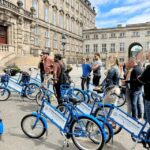
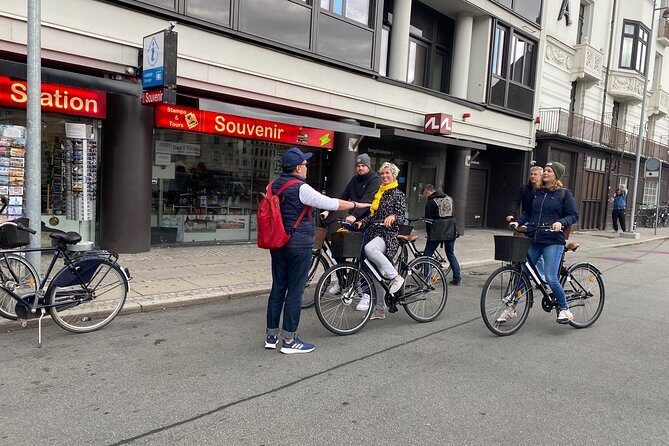
Copenhagen by bike is a fast way to feel at home. This short adventure hits the city’s big icons with a local, multilingual guide and a smooth, car-light rhythm that makes the whole day click. I love how the meet-up is simple—right by Tivoli—so you’re rolling quickly instead of hunting meeting points.
What I really like is the 10+ stop plan, which keeps things moving without feeling rushed. You get a guided sweep through royals, canals, fountains, and neighborhood texture, with just enough context to make each photo stop mean something.
One consideration: you’ll be on the saddle for the full ride, so if you’re sensitive to cycling time, plan for breaks and bring a little patience. Helmets aren’t mandatory (but they’re recommended), and you’ll want comfortable footwear for cobbles and occasional short transfers on the route.
In This Review
- Key Things You’ll Notice on This Copenhagen Bike Adventure
- Axel Torv Meet-Up: Starting Right by Tivoli
- Why Copenhagen by Bike Feels Easy (Even on a Short Tour)
- City Hall Square to Rosenborg Castle: Royal Denmark in One Flow
- Kongens Have and Nyboder: Gardens, Navy Housing, and Local Texture
- The Little Mermaid and the Citadel: Icon Photos, Then Real Context
- Seaside Toldboden Market Stop: A Quick Warm-Up Without Pressure
- Gefion Fountain and Church-Square Views Near Langelinie
- Frederik’s Church and Amalienborg Noon: When Copenhagen Shows Its Routine
- Nyhavn: The Classic Waterfront Finish
- Price and Value: What $74 Buys You Here
- Timing, Weather, and How to Dress for a Bike Tour
- Who This Tour Works Best For
- Should You Book This Copenhagen Bicycle Adventure?
- FAQ
- How long is the Copenhagen Bicycle Adventure?
- Where do I meet the guide, and where does the tour end?
- What time does the tour start?
- Is the bike rental included?
- Do I need to pay admission at the attractions?
- Is there a minimum age or any safety gear needed?
Key Things You’ll Notice on This Copenhagen Bike Adventure

- Easy Axel Torv meet-up by Tivoli: clear starting point and a central place to regroup.
- Bike rental is included and support is part of the package if something goes wrong.
- A real local guide with anecdotes and practical city context along the way.
- 10+ major stops that cover royal sights, waterfront landmarks, and classic photo spots.
- Green, low-effort sightseeing: you’re moving under your own power through bike-friendly streets.
- Small group size (max 15), which helps you stay together and hear your guide.
Axel Torv Meet-Up: Starting Right by Tivoli
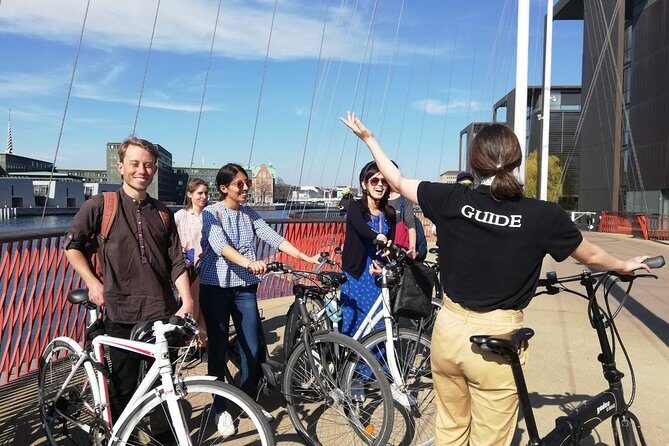
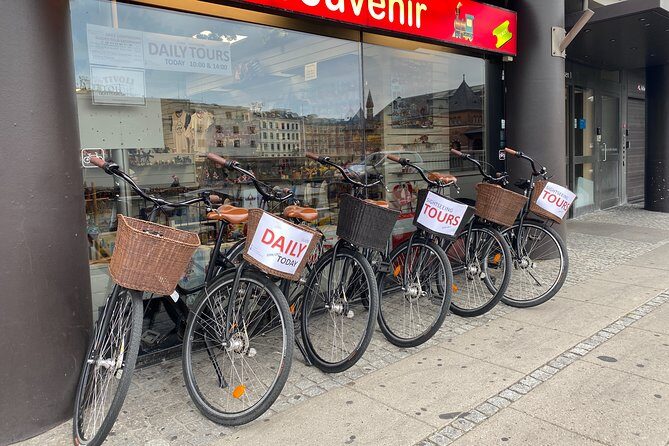
Your tour begins and ends at Axel Torv 1, a handy central square in Copenhagen. The best part is that it’s right in front of the main Tivoli park entrance area, so you can orient yourself fast—especially if you’re coming from the train or bus.
This is the kind of meeting point that reduces stress. You’re not trying to decode a hidden address or chase a vague landmark. It’s also a location where tourist support is available on-site, which is useful if you’re new to Copenhagen and want quick answers before you roll.
Other bike and cycling tours we've reviewed in Copenhagen

Why Copenhagen by Bike Feels Easy (Even on a Short Tour)
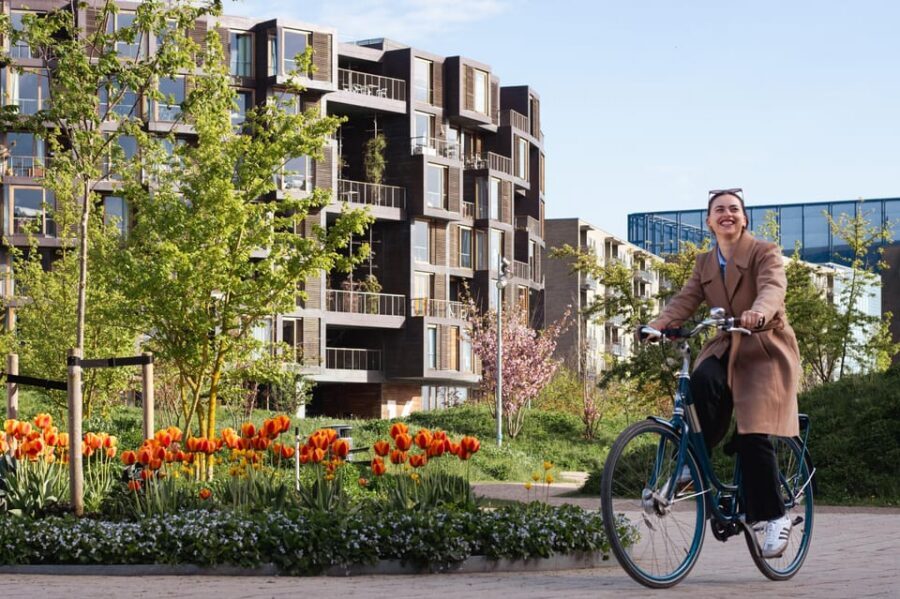
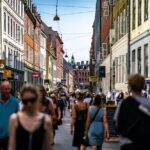
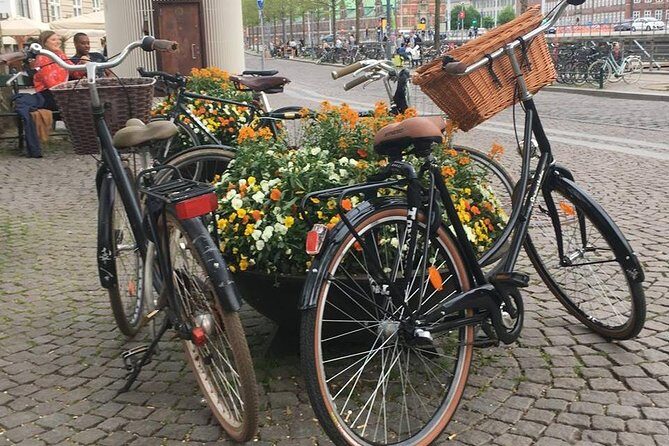
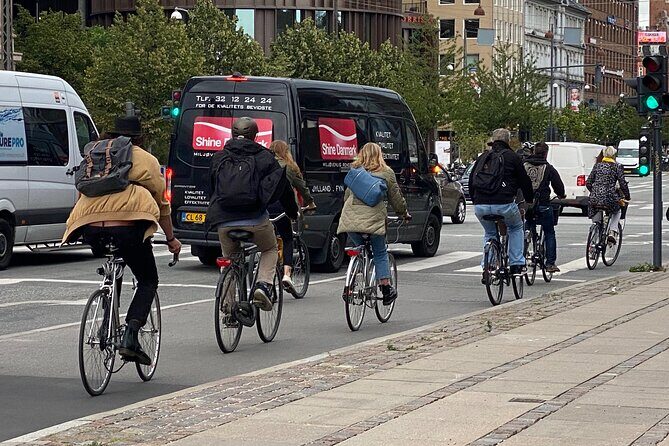
This ride is built for a city that actually supports bikes. Copenhagen is known for its bike infrastructure, and the route uses that strength instead of fighting it. The pace stays comfortable enough that you can enjoy the sights without turning your day into a workout contest.
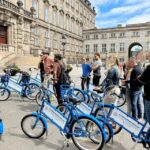
The bike rental is included, and there’s a practical safety net: if your bike has a problem, a replacement will be brought without extra charge. That matters more than most people expect. When you’re cycling, flats and mechanical issues can happen, but you don’t want the whole tour to unravel because of a minor hiccup.
If you’ve never biked in a big city, you’ll still likely feel fine. Minimum age is 14, which gives you a hint that the ride is designed to be approachable for a wide range of fitness levels.
City Hall Square to Rosenborg Castle: Royal Denmark in One Flow
The tour starts with City Hall Square (Rådhuspladsen), a major public square in Copenhagen. It’s a great early stop because you get a sense of where the city’s energy gathers—right in front of the City Hall, and as a launchpad for the shopping street Strøget.
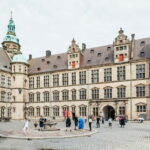
From there, you roll toward one of the most impressive royal anchors on the route: Rosenborg Castle. This is King Christian IV’s summer residence and one of Denmark’s most important cultural sites. The timeline alone is a conversation starter—built from 1606 to 1634—and the interiors tend to feel like you’ve stepped into a preserved royal world.
A key detail for your planning: Rosenborg Castle admission is not included. That doesn’t make it a bad stop—it just means you should expect that extra cost if you want inside access. If you’re the type who likes to understand the details behind a place, you’ll probably want to go in. If you prefer the outside and want to save your energy for other stops, you can also just enjoy the area and visuals and keep moving.
Also, don’t miss the unique themes Rosenborg is known for—royal rooms, and displays connected with Denmark’s crown treasures. Even if you don’t pay for every interior ticket, your guide can help you connect what you see to the bigger story.
Kongens Have and Nyboder: Gardens, Navy Housing, and Local Texture
After the castle zone, the route shifts to Kongens Have (the royal garden). This green space traces back to the early 1600s, laid out in Renaissance style by Christian IV. It’s been open to the public since the 1770s, which means you’re seeing a garden that long ago transitioned from court use to everyday Copenhagen life.
This stop is short, but it’s one of those “breathing room” moments that makes the cycling feel kinder. You break up the sightseeing intensity with something calm and walkable.
Next comes Nyboder, a historic row house district that once served the needs of the rapidly growing Royal Danish Navy. You’ll see the neighborhood planned by Christian IV to house sailors and their families. It’s the kind of place that makes Copenhagen feel more than just monuments and postcards.
You’ll also see a statue tied to King Christian IV here. That’s the benefit of having a guide: even a quick roadside view becomes a small lesson instead of just a photo.
The Little Mermaid and the Citadel: Icon Photos, Then Real Context
No bike tour through central Copenhagen is complete without The Little Mermaid. This statue was created after Carl Jacobsen attended a ballet based on Hans Christian Andersen’s fairy tale. The sculpture was unveiled in 1913, and it’s still one of the most photographed attractions in Denmark—so yes, you’ll likely take a classic picture.
What I like about doing it on a guided bike route is that the stop doesn’t feel random. Your guide can connect the sculpture to the cultural impulse behind it—why it was placed where it was, and how the fairy tale became part of the city’s public identity.
From there, the tour moves into the Citadel area, a spot that mixes history and open space. This was once a military defense link against attacks from the sea, and it’s now a kind of historical walk-through feeling. You cross toward the moat area and pass through a royal gate feeling like you’ve stepped back in time to the 1600s.
This is one of the best examples of why a bike tour works: you can cover distance quickly, then slow down mentally at places with strong atmosphere.


Seaside Toldboden Market Stop: A Quick Warm-Up Without Pressure
At Seaside Toldboden, you’ll have a chance to stop at a well-known Danish food market on the waterfront. The idea isn’t to force you into an expensive tasting marathon. It’s more of a practical pause—stretch your legs, warm up if you need it, and decide if a bite is worth it for your day.
Food isn’t included, and the tour notes that consumption is based on your choice. That’s actually good for value. You can keep it budget-friendly or treat yourself, depending on hunger and weather.
This stop also gives you a taste of how Copenhagen handles food culture in a public, scenic setting—especially around the harbor.
Gefion Fountain and Church-Square Views Near Langelinie
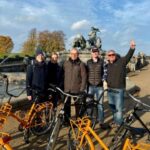
Next up is Gefion Fountain in Churchill Park near the Langelinie waterfront. This is a major monument with a strong Norse myth flavor: oxen pulling a plough for goddess Gefion. The sculptures were created by Anders Bundgaard, and the fountain became a Carlsberg Foundation gift tied to the brewery’s 50-year anniversary.
The fountain itself is big, but the real win for most people is timing and perspective. You’ll be outside with your guide, moving through key viewpoints without needing to plan separate museum visits. It feels like one continuous “Copenhagen story” rather than disconnected stops.
After the fountain, you keep rolling toward another highlight that’s easier to appreciate once you’re already in the rhythm: the mix of waterfront energy and grand architecture that defines this part of the city.
Frederik’s Church and Amalienborg Noon: When Copenhagen Shows Its Routine
If you like architecture and royal symbolism, Frederik’s Church (Frederiks Kirke) is a standout. Built to mark the tercentenary of King Frederik V’s rule, it was designed by Nicolai Eigtved, who also worked on other major Copenhagen church architecture. The church and the nearby town area were named after Frederik V, which helps you keep the story straight while you’re there.
This stop is longer than the quick exterior photo moments, which gives you time to soak in the scale and the meaning behind why it was built. Admission here is listed as free on the tour plan, which is a nice bonus for your budget.
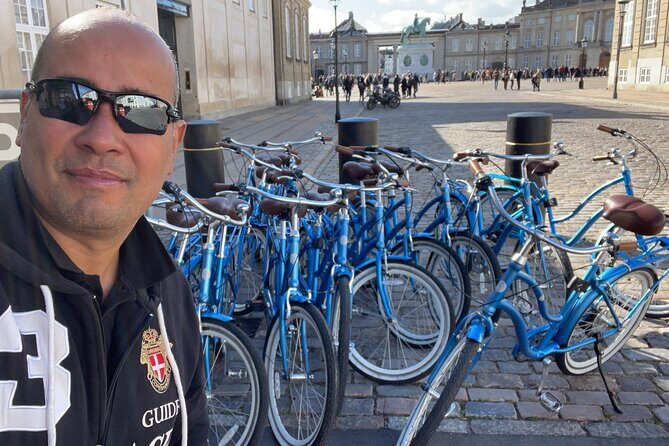
Then you hit one of Copenhagen’s most scheduled, unmistakable experiences: the changing of the guard at Amalienborg. This happens daily at 12:00 noon. The guards march from their barracks in 100 Gothersgade, and the ceremony ends at Amalienborg. Seeing it from the right spot during a bike tour is valuable because you’re not stuck trying to guess where to stand while crowds build.
Immediately after, you can visit Amalienborg Palace Museum. The tour points out that Amalienborg consists of four identical palaces around the palace square, and your guide can help you sort out which building belongs to which royal family role. The museum is in one of these buildings, so if you’re curious about how Denmark’s royal residence functions today, this is your chance.
All of this is handled without you needing to navigate multiple entrances or coordinate timing on your own. You’re riding, arriving, and knowing what comes next.
Nyhavn: The Classic Waterfront Finish
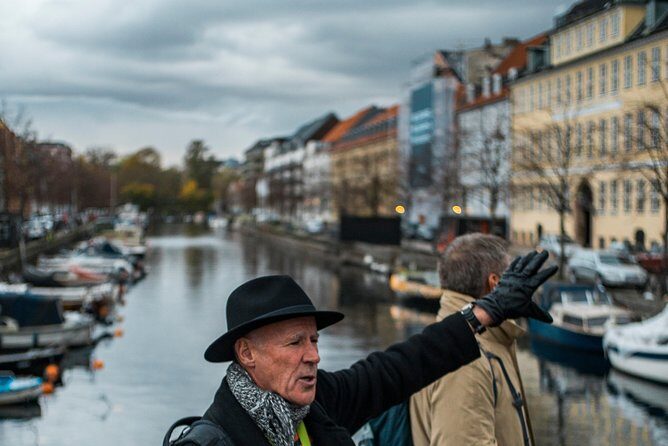
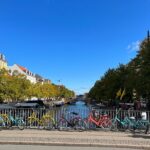
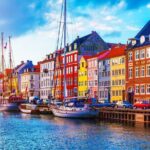
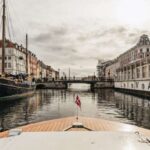
To close the tour, you’ll cycle to Nyhavn, Copenhagen’s famous 17th-century canal and waterfront entertainment district. Nyhavn is lined with brightly colored buildings, with bars, cafes, and restaurants along the harbor stretch.
This is where I’d tell you to slow down mentally. By the time you reach Nyhavn, you’ve already seen enough royal and historic framing that the colorful canal feels like a reward rather than just another stop. It’s an easy place to grab a drink later (since tour food isn’t included), and it’s also a good area to pause if you want souvenir browsing or a longer look at the canal life.
Because the tour ends back at Axel Torv, you also get a clean “home base” finish. You won’t be stranded across town.
Price and Value: What $74 Buys You Here
At $74.02 per person, this tour is priced like a guided sightseeing session with real logistics handled for you. The biggest value comes from what’s included: bike rental and the guide, plus support if the bike needs changing.
The stop mix matters too. You’re not paying for a single attraction—you’re paying for a guided route across multiple high-recognition places: City Hall Square, Rosenborg area, the royal garden, the Little Mermaid, the Citadel zone, Gefion Fountain, Frederik’s Church, the Amalienborg guard ceremony, and Nyhavn.
Admission costs aren’t fully uniform. Rosenborg Castle admission is not included, and the market stop doesn’t include food. But with most stops listed as free, the base experience stays good value. If you plan to add at least one paid interior (like Rosenborg), the price still holds up because the guide saves you from planning the day step by step.
Timing, Weather, and How to Dress for a Bike Tour
This experience runs in all weather conditions, so you’ll want to dress for Copenhagen’s mood swings. The tour also notes that helmets aren’t mandatory, but they’re recommended. If it’s windy or rainy, a helmet can make you feel safer on busy streets even if it isn’t required.
Wear comfortable shoes. You’ll be outside a lot, and some stops feel best when you step around the perimeter instead of just standing still.
Also, plan around the 12:00 noon guard ceremony at Amalienborg. The route is scheduled around those key moments, which is exactly why booking a guided bike plan can be easier than trying to figure out timing on your own.
Who This Tour Works Best For
This is a strong fit for:
- First-time visitors who want a guided overview without spending the whole day in museums
- People who love photos but also want the story behind them
- Anyone who likes moving at a steady pace with breaks built in
- Travelers who prefer a small group (max 15) and a guide who can keep everyone together
It may be less ideal if you:
- Don’t enjoy cycling at all, even on bike-friendly routes
- Want long, unhurried time inside specific attractions (like multiple interiors)
- Travel with very young kids (minimum age is 14)
Should You Book This Copenhagen Bicycle Adventure?
I’d book it if you want a clear, guided way to see Copenhagen’s biggest hits without turning the day into logistics. The mix of royal sights, waterfront icons, and local neighborhood texture makes it feel like more than a checklist, and the included bike rental plus support reduces the usual “what if something goes wrong” stress.
Skip it if you’re mainly after one or two long museum sessions, because this format favors movement and many stops over deep time inside a single attraction. Also, be honest with yourself about cycling comfort—this is a bike tour first, even though the stops are varied.
Overall, it’s a practical, good-value way to get your bearings fast and enjoy Copenhagen the way locals often do: on two wheels, with a guide who can explain what you’re seeing.
FAQ
How long is the Copenhagen Bicycle Adventure?
The tour runs for about 1 to 3 hours.
Where do I meet the guide, and where does the tour end?
You meet at Axel Torv 1, 1608 København, Denmark, and the tour ends back at the same meeting point.
What time does the tour start?
The start time is 10:00 am.
Is the bike rental included?
Yes. Bicycle rental is included.
Do I need to pay admission at the attractions?
Most stops list admission ticket free, but Rosenborg Castle admission is not included. Food and drinks are also not included.
Is there a minimum age or any safety gear needed?
The minimum age is 14 years. Helmets are not mandatory but they’re recommended. The tour operates in all weather conditions, so dress appropriately.