REVIEW · COPENHAGEN
Vesterbro Tour With Beer & Pub Visits – Max 10 People
Book on Viator →Operated by Copenhagen By Mie · Bookable on Viator
Copenhagen’s west side has a beer secret. This small-group Vesterbro tour mixes neighborhood history with real pub time, from the area’s seedier past to craft starts at Mikkeller. I like that you get a native English guide who can keep the pace human (and fun names come up, like Kenneth, Liva, and Oskar), and you also get to try three beers across very different bar styles.
What makes it work in real life is the structure: you walk, you stop, you taste, then you keep moving. You’ll learn why places like old-school brown bars matter in Danish culture, and you’ll also get a practical beer handoff at the end with 1-on-1 recommendations for where to go next.
One thing to consider: at least one stop is a classic bar vibe where indoor smoking may happen, so if you have asthma or strong sensitivities, plan ahead (outdoor seating is often the workaround).
In This Review
- Key highlights worth planning for
- Why Vesterbro’s beer bars tell Copenhagen’s real story
- Price and timing: what you’re really paying for
- Meeting at Reventlowsgade and the Central Station “before” context
- Istedgade: past reputation, present-day reality
- Freddy’s Bar and the brown-bar lesson
- Meatpacking District walk: design awards and three-area context
- Viktoriagade: the neighborhood’s “rebellious” symbol
- Mikkeller Bar: craft beer origin, sibling story, and taste comparison
- The theatre and the “one detail” street puzzle
- Westend’s sanctioned graffiti: why the city draws lines
- Skydebanehaven: the gate, the wall, and To Shoot The Parrot
- Sønder Boulevard and the shift from polluted traffic to green leisure
- Fermentoren Beer Bar: the last pour and smart dinner suggestions
- Who this beer-and-history walk suits best
- Should you book this Vesterbro beer tour?
- FAQ
- How many people are in the group?
- What beers are included?
- How long is the tour?
- What language is the tour in?
- Is there an age limit?
- Does the tour include a bar with indoor smoking?
Key highlights worth planning for
- Max 10 people for a more conversational beer-and-history vibe
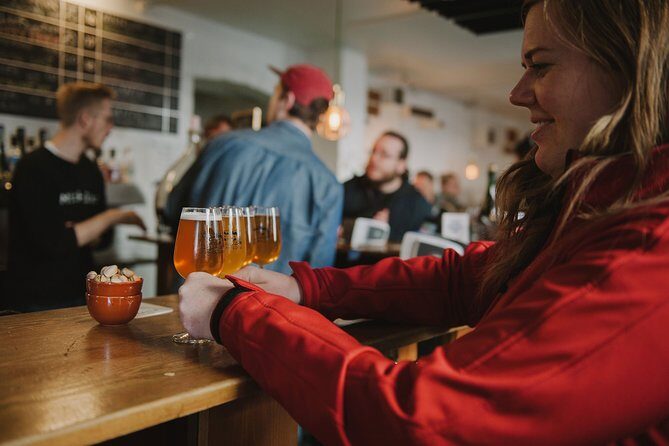
- Three tastings included: 1 Danish beer plus 2 craft beers
- Brown-bar to craft contrast with Freddy’s Bar and Mikkeller in the same afternoon
- Stops built around stories, not just photos—like the phrase To Shoot The Parrot at Skydebanehaven
- Public art and graffiti rules at Westend, explained through how the city manages history and change
- End close to Meatpacking District, so you can roll right into food and more drinks
Why Vesterbro’s beer bars tell Copenhagen’s real story
If you only see the postcard Copenhagen, you miss the city’s working edges. Vesterbro is where old buildings, stubborn personalities, and city policies collide in everyday life. This tour leans into that. You’re not just drinking beer. You’re learning what shaped the neighborhood: housing, street life, public planning, and the way the city can both police and protect its character.
The magic here is contrast. You’ll start in a part of the city that used to wear a different reputation, then shift into places where regulars have stories that have been told for decades. That’s why guides like Kenneth and Oskar stand out in the feedback: they don’t treat beer as an add-on. They use beer stops like chapters.
Also, the small size matters. With up to 10 people, you get more back-and-forth than in those big group tours where you only hear half the sentence.
Other small-group tours we've reviewed in Copenhagen
Price and timing: what you’re really paying for
At $72.59 for about 3 hours, you’re paying for three things: a guide who can connect streets to stories, a route that hits multiple bar types, and beer included along the way.
Here’s the value math that makes sense: you’re getting three beers included (1 traditional Danish beer plus 2 craft beers). Many Copenhagen bar hops cost about that for just drinks, without a guided context. The tour then adds the real reason to book—walkable neighborhoods plus explanations you’d probably miss wandering on your own.
Timing-wise, it starts at 3:00 pm and ends at a bar near the Meatpacking District. That’s smart for an afternoon start: you get daylight walking, then a proper evening stretch at the end, when Copenhagen’s energy tends to kick up.
Meeting at Reventlowsgade and the Central Station “before” context
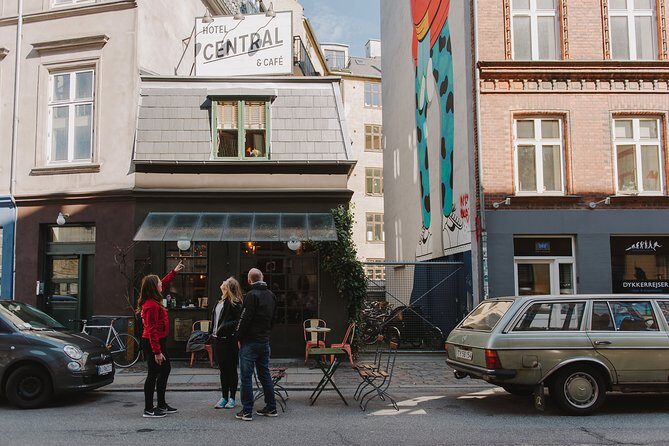
You meet at Reventlowsgade 7 (close to Copenhagen Central Station). The guide will be there about 10 minutes early, and the meetup spot is right where you can orient fast before you head into the streets.
The first stop is more than a warm-up. You’ll meet your guide in front of gates that used to serve as an entrance point to Copenhagen. That sets the tone: the tour treats this area like a living system. Roads and boundaries mattered, and those lines shaped who moved through the neighborhood and how it developed.
You’ll get neighborhood context from the start, which helps every later stop land better. When you later hear the guide talk about “shady elements” staying part of local identity (while still being managed), you’ll understand what those policies and city decisions were responding to.
Istedgade: past reputation, present-day reality

Next comes Istedgade, a street tied to Copenhagen’s former red light district history. This is where the tour’s tone gets real: it doesn’t sugarcoat the past, but it also doesn’t hype the danger.
The key message is simple. The neighborhood still has a seedy reputation around Denmark, yet it’s considered safe for everyday visitors when you go with your guide and pay attention. You’ll hear how Copenhagen maintained parts of the neighborhood identity, including through government programs, rather than trying to erase everything.
This stop is short, but it’s a useful lens. If you’re worried about visiting areas that have reputations back home, this kind of context makes your decisions easier. It’s also a reminder that neighborhoods often change in layers, not in a single “before and after.”
Freddy’s Bar and the brown-bar lesson
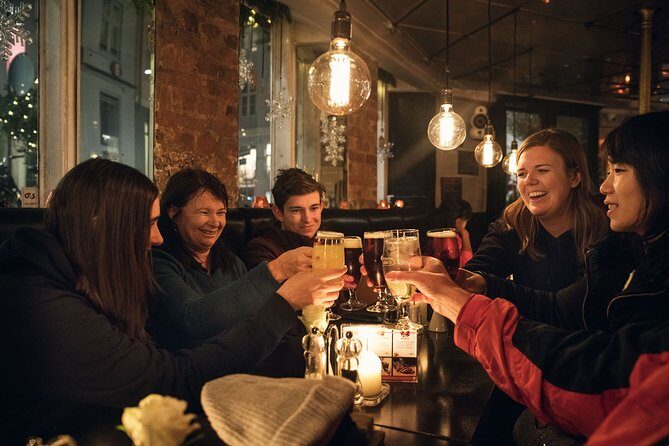
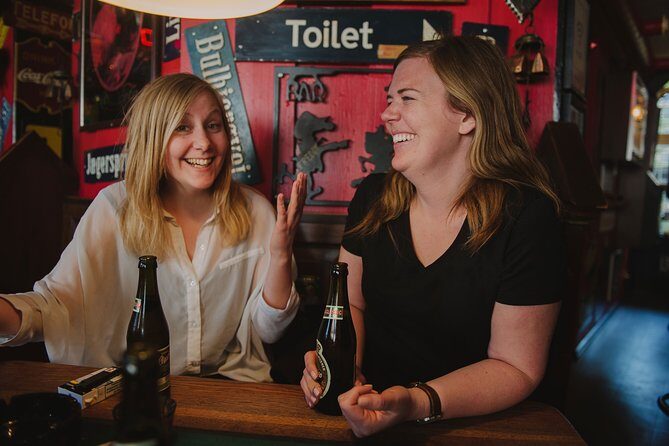
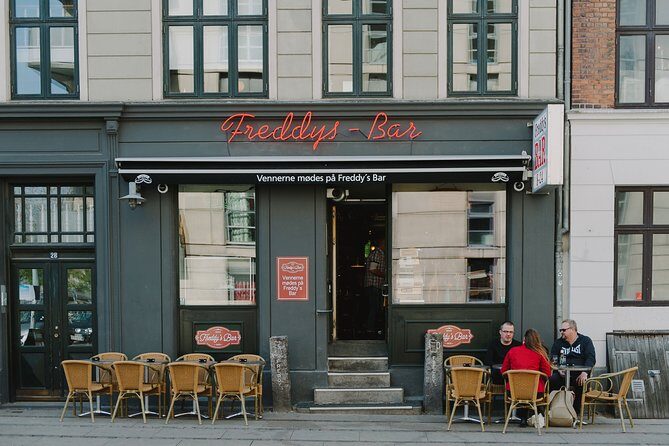
Then you step into Freddy’s Bar, described as a traditional Danish dive bar loved by locals. This is your first real break, and the first beer moment: you’ll enjoy a classic pilsner with the group in the common-room atmosphere that people remember from after-work hours.
What I like about this stop is the “why.” The guide connects the bar to working-class community life, including stories about Carlsberg workers and why bars like this served a social purpose. It’s not only about drinking. It’s about why these places exist and why they can survive modernization.
One practical heads-up: some classic bars in this category may allow indoor smoking, and the tour’s style intentionally includes that cultural snapshot. In the feedback, people specifically pointed out indoor smoke exposure. If you’re sensitive, you can still do the tour—just choose your spot wisely and consider asking the guide where outdoor seating might be available.
Other Vesterbro neighborhood tours we've reviewed in Copenhagen



Meatpacking District walk: design awards and three-area context
After Freddy’s, you move on through the Meatpacking District, which the tour frames as an area that earned design recognition through its modern reuse of old buildings.
Instead of treating it like a single stop, the walk is organized to cover three areas, with the guide explaining what those spaces used to be used for and how they became popular for locals now. This is where you get a sense of Copenhagen’s approach to reuse: not wiping the slate clean, but turning industrial or older structures into places people actually want to hang out.
Drawback to note: because this is a walk-through segment, you won’t get long sit-down time here unless the group pauses on the way. If you prefer heavy “hang out” time at every stop, this part may feel more like transit with stories attached. Still, it’s a good break from bar noise.
Viktoriagade: the neighborhood’s “rebellious” symbol
Next is Viktoriagade, framed as Vesterbro’s heart and a small token of the neighborhood’s rebellious and chaotic past.
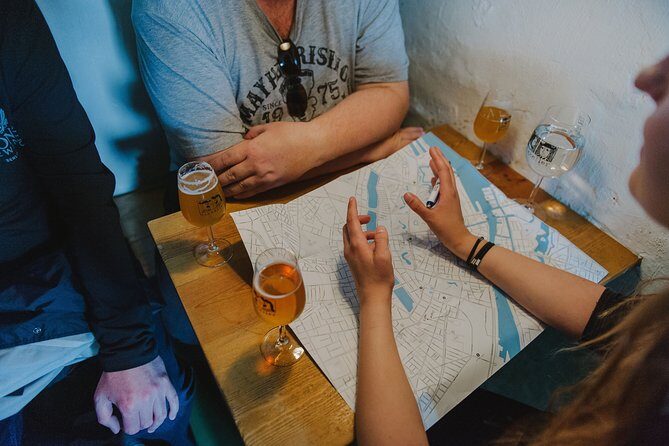
The fun detail here is interactive. If you’re lucky, your guide may even have a pen and invites you to make a little drawing on a marker as part of the stop. And yes, the tour indicates it’s allowed.
This is one of those moments that makes the neighborhood feel personal. It’s not just a view. It’s a small act that connects you to the street culture the guide is describing. It also breaks up the day so you’re not constantly in “listening mode.”
Mikkeller Bar: craft beer origin, sibling story, and taste comparison
Now you reach Mikkeller Bar, where the beer story turns modern and global—without losing its local roots. You’ll hear a drama-filled background about two siblings with a beer “nag,” and how that turned into a huge beer brand fast. The guide explains that this bar is where things started.
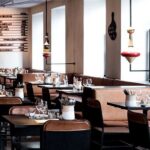
This stop includes time to sit down and enjoy craft beer as part of the tour’s included tastings. What makes it extra useful is the contrast you feel compared to Freddy’s Bar moments earlier: dive-bar room energy versus Mikkeller’s minimal, focused space.
One practical note: if you’re not a beer nerd, don’t panic. This is still a cultural walk. You’ll get help choosing from what’s available, and the tour is set up so you taste enough to understand the difference between styles without needing a brewing degree.
The theatre and the “one detail” street puzzle
After Mikkeller, you do more storytelling walking—passing a new theatre. The guide points out a minor detail as you move between the Vesterbro and Frederiksberg neighborhood sides. It’s the kind of stop that pays off only if you look closely, and the guide will train your attention.
Then you walk toward a charming small building with an upper floor and one window, where the guide shares a history tied to that structure.
I like this part because it breaks the pattern. Not every stop has to be a bar. Copenhagen is full of small architectural clues, and when a guide teaches you how to notice them, you’ll keep spotting similar details after the tour ends.
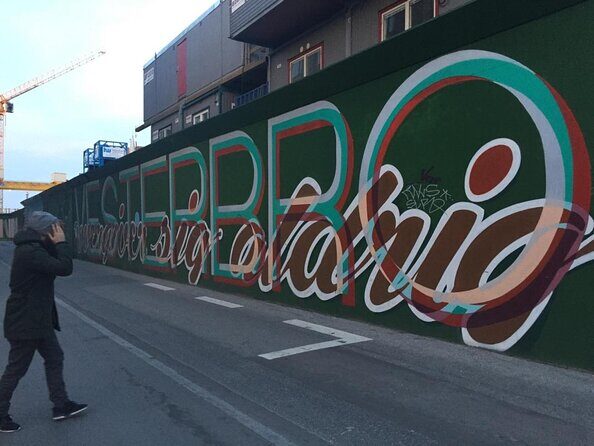
Westend’s sanctioned graffiti: why the city draws lines
Your next move is Westend, and the tour takes you through a French-quarter style area before turning into a place with art pieces made by graffiti artists sanctioned by the municipality.
This is a great stop for anyone who loves street art but wonders what makes it “official.” The guide explains why sanctioned graffiti matters in a historical city like Copenhagen—basically, how rules can shape what becomes part of the public landscape instead of being erased or pushed underground.
If you care about city planning, this stop is a small education in itself. You learn that “control” doesn’t always mean banning. Sometimes it means creating spaces where creativity can happen without damaging the city’s protected parts.
Skydebanehaven: the gate, the wall, and To Shoot The Parrot
Next is Skydebanehaven. The guide sets up the scene by telling you to watch for a gate where you might expect something castle-like. Then you find out why that expectation doesn’t match what’s there.
You’ll learn why this spot matters to royals and why they built a seemingly pointless wall next to a green haven and playground. The big payoff is the language lesson: you’ll hear where the Danish phrase To Shoot The Parrot comes from, tied to this very place.
This stop is short, but it’s memorable because it turns a phrase you might hear later into a real location. And because it’s a green area with a gate-and-wall story, it also gives your legs a brief reset.
Sønder Boulevard and the shift from polluted traffic to green leisure
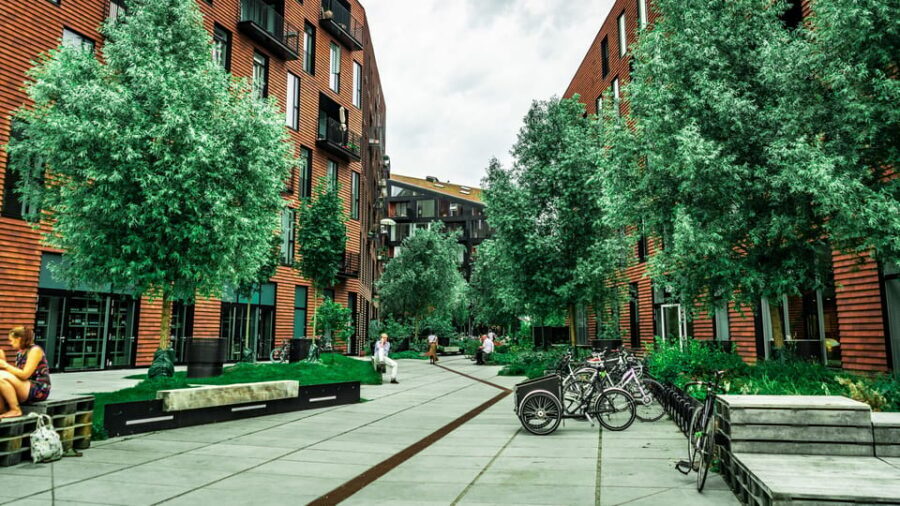
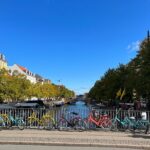
As you continue walking, the tour touches on Vesterbro’s significant change after late-1990s planning processes. One area mentioned is Sønder Boulevard, described as once polluted and heavily trafficked, then reshaped into one of locals’ favorite relaxation zones with green leisure spaces.
Even if you don’t remember every street detail, this is useful framing. It explains why Vesterbro can feel both gritty and family-friendly in different pockets. The neighborhood didn’t just get trendy. It got redesigned.
Fermentoren Beer Bar: the last pour and smart dinner suggestions
You finish at Fermentoren Beer Bar (near the Meatpacking District). This is the tour’s closer, and it’s described as mixing the homely feel of the earlier bar with the craft brew vibe.
You’ll find a big tap selection that changes weekly. If you feel overwhelmed, the guide may encourage a simpler approach—basically, let the bar decide for you. That’s fun, and it reduces decision fatigue when you’ve already been tasting.
You also get the practical part: if you want to keep going after the tour, the guide is happy to share dinner recommendations. Since the tour ends near lots of restaurants and bars, you’re not left figuring it out from zero.
Who this beer-and-history walk suits best
This tour fits best if you want a neighborhood introduction more than a “beer-only” tasting.
- If you like history that connects to real streets, you’ll enjoy how the guide links Istedgade, old bars, and planning changes into one story.
- If you’re beer-curious, the mix of Freddy’s pilsner style and Mikkeller craft stops gives you a clear sense of Danish bar culture versus modern craft energy.
- If you hate long logistics, the route is simple: meet once, walk a city route, then land near the Meatpacking scene.
It may be less ideal if you’re trying to maximize pure drinking time. You get three beers included, but the tour is still built around walking and stories. If your ideal pub crawl is nonstop stops for multiple rounds, you’ll probably want to extend the night on your own after Fermentoren.
Should you book this Vesterbro beer tour?
I’d book it if you want Copenhagen’s west side with local framing and short, satisfying tastings. The included beer lineup, the small group size, and the mix of brown-bar culture with Mikkeller craft makes it a strong value for a 3-hour afternoon.
I’d skip or ask questions first if you’re very sensitive to smoke. At least one stop may include indoor smoking, and that’s the main real-world drawback mentioned in the feedback. If that’s a deal-breaker, you can still consider it only if the guide can steer you toward outdoor seating options during the tour.
FAQ
How many people are in the group?
The tour is capped at a maximum of 10 travelers, so it stays small and discussion-friendly.
What beers are included?
You get 1 traditional Danish beer and 2 craft beers as part of the tour.
How long is the tour?
It runs for about 3 hours.
What language is the tour in?
The tour is offered in English, with a native English-speaking guide.
Is there an age limit?
Yes. Passengers under 18 are not permitted on this tour.
Does the tour include a bar with indoor smoking?
One of the bar stops is a classic brown-bar style venue where indoor smoking may be allowed. If you have asthma or a strong sensitivity, plan for outdoor seating when possible.