REVIEW · COPENHAGEN
Copenhagen: Group Walking Tour – City Highlights – 2 Hours
Book on GetYourGuide →Operated by Politically Incorrect Tours Copenhagen · Bookable on GetYourGuide
Copenhagen jokes with teeth are the point. You get a fun city highlights walk that mixes Danish stories with a politically incorrect wink, and you’ll still cover the big landmarks instead of wandering in theory. Two things I especially like: the guide keeps the energy moving fast with built-in GPS, and the route hits the places that help you understand the city in one go. The one drawback: the humor can be edgy, and the tour is not for you if you want a straight-laced history lecture.
This is a 2-hour group walk that starts at Gammel Strand Metro Station and ends near Amalienborg Royal Palaces and the Marble Church. You’ll pass through classic Copenhagen showpieces like Strøget, Kongens Nytorv, and Nyhavn, with plenty of quick context along the way. Also note the format: English is mandatory, and the pace can feel brisk if your group is big or you move slowly.
In This Review
- Key things you’ll notice right away
- Why this tour feels different from a standard Copenhagen walk
- The 2-hour route that strings together royal power and everyday life
- Starting outside Gammel Strand: find the ORANGE umbrella fast
- Stop-by-stop: Bishop Absalon, Christiansborg Palace, and the churches
- Strøget and Kongens Nytorv: where the jokes meet the real Copenhagen street life
- Magasin du Nord, Hotel D’Angleterre, and the Royal Theatre feel like the city’s stage set
- Nyhavn: the postcard stop that actually helps you understand the waterfront
- Amalienborg and the Marble Church: finish with royal grandeur
- The humor factor: politically incorrect doesn’t mean careless
- Pace, group size, and who this tour suits best
- Price and value: what $39 buys you in Copenhagen time
- Smart tips so you get your money’s worth
- Should you book this Copenhagen city highlights walking tour?
- FAQ
- Where does the tour start and how do I find the guide?
- How long is the Copenhagen group walking tour?
- How much does it cost?
- What’s included in the price?
- Do I need to speak Danish?
- Is the tour wheelchair accessible?
- Are children allowed?
- What should I do if I’m worried about sensitive topics?
- Do I have to pay right away?
Key things you’ll notice right away
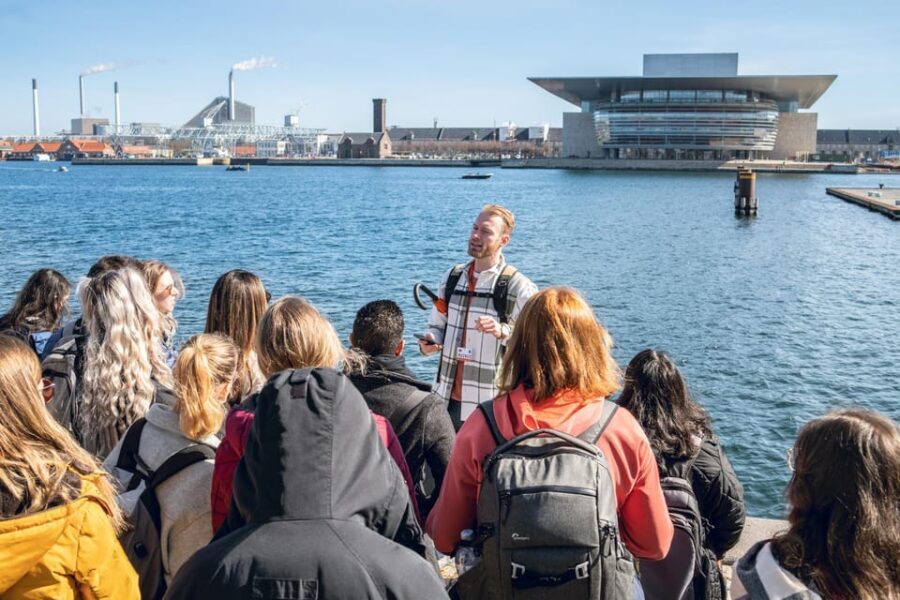
- Politically Incorrect humor (with a PG-13 option): jokes run alongside the facts, and sensitivity matters.
- A tight route for first-timers: royal sites, central shopping streets, and Nyhavn all in one session.
- Built-in GPS for less phone-draining stress: you stay focused on the sidewalk, not your map.
- A “what to avoid” angle: you’ll hear tips that help you plan the rest of your trip smarter.
- Real guides with stage-ready delivery: names like Thor, Steen, Roger, and Magnus pop up for a reason.
- Timing can line up well: on some days, you may catch guard movement around the Amalienborg area.
Why this tour feels different from a standard Copenhagen walk
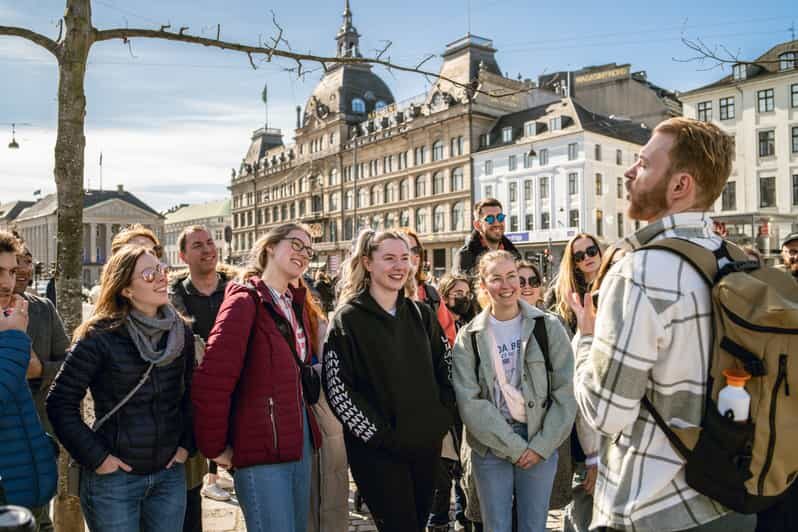
Most city tours in Copenhagen do the same job: point at monuments and give you dates. This one does a different job. The guide uses Danish history, royalty, and fairytale-like storytelling as a base, then treats the subject matter with blunt comedy that’s meant to be funny, not clinical.
That approach matters because it changes what you remember. Instead of collecting facts, you start connecting the city’s symbols: who held power, how the street life developed, and why certain places keep showing up in Copenhagen’s stories. You’re not getting a deep academic seminar. You’re getting a sharper, street-level understanding of the city.
The trade-off is obvious: if you’re the type who wants everything “nice,” you’ll probably spend part of the tour bracing yourself. The organizers even tell you to skip if you’re sensitive about certain topics. If you do have a sense of humor, though, that edge can make the city feel more real.
Other small-group tours we've reviewed in Copenhagen


The 2-hour route that strings together royal power and everyday life
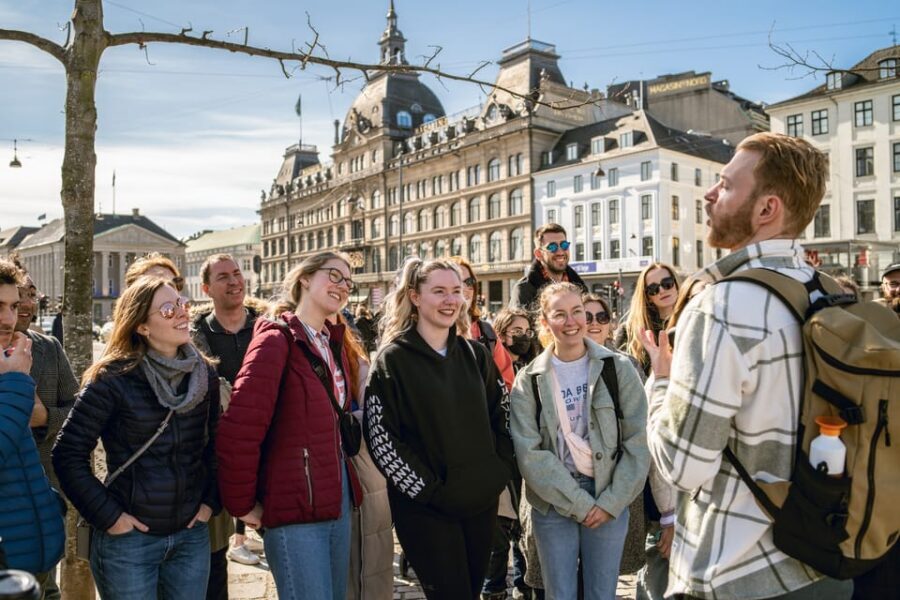
The walk is built around a classic Copenhagen arc: start near central transit, move through the older core, hit the main pedestrian shopping corridor, then swing toward the royal zone and finish near the big church landmark.
In practice, this means you see the three Copenhagen moods that help first-timers orient fast:
- Royal Copenhagen: a sequence of places tied to state and ceremony.
- The city center machine: streets where shopping, theatres, and daily foot traffic shape the vibe.
- The postcard waterfront: Nyhavn, where the old-port energy turns up the atmosphere.
And because it’s only two hours, the tour doesn’t try to exhaust you with every side street. It’s more like a guided “greatest hits” mix, designed to set you up for the rest of your trip.
If you want a tour that teaches you where to start later—what to revisit, what to ignore, and what fits your interests—this format does that job.
Starting outside Gammel Strand: find the ORANGE umbrella fast
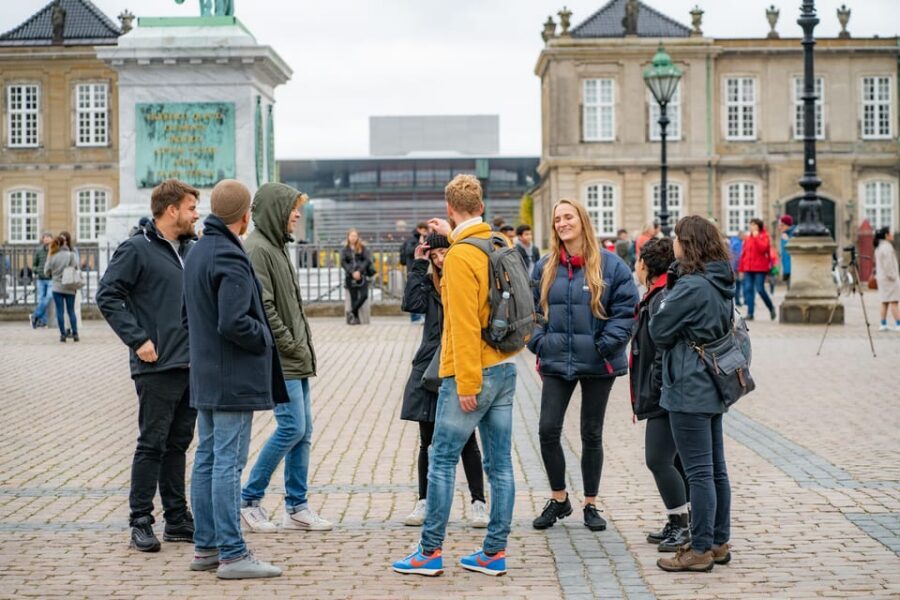
Your meeting point is outside the Gammel Strand Metro Station. You’ll want to look for the guide standing between the metro entrance and the statue of Bishop Absalon (the statue of the dude on the horse).
The tell is simple: the guide carries an ORANGE umbrella. Arrive about 15 minutes early so you’re not stuck in a crowd guessing which umbrella belongs to your group.
A practical tip from how these walks operate: arrive early enough to settle your group pace. Some guides run a little ahead when they’re excited by the story. If you know you walk slower, mention it right away so the guide can adjust.
Stop-by-stop: Bishop Absalon, Christiansborg Palace, and the churches
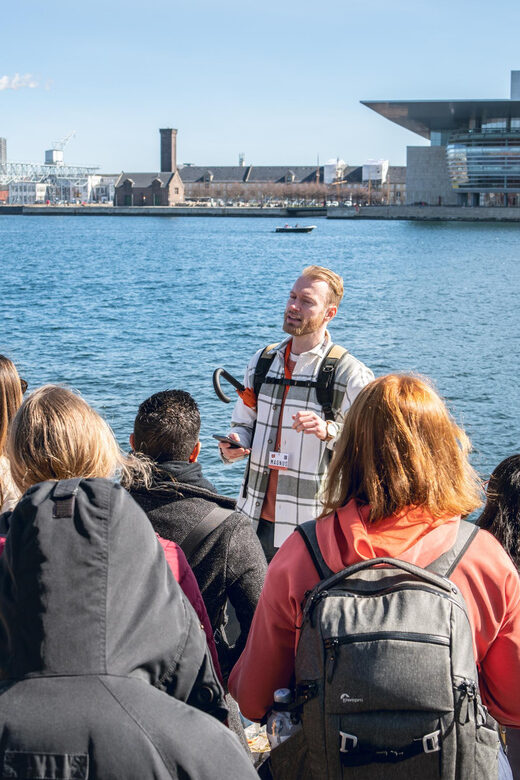
The Statue of Absalon is your first anchor. It’s a smart start because Absalon is tied to Copenhagen’s early story, and you’ll hear that background threaded into the comedy. Expect the guide to set the tone fast: quick context, then jokes that frame how to look at the city afterward.
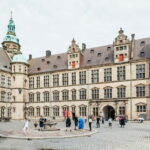
Next comes Christiansborg Palace. Even if you’re not a palace person, this stop helps you understand Copenhagen’s “power map.” You’re walking past the kind of place that signals how the city organized itself—politically and socially—over time.
Then you head toward Skt. Nicolai Church. Churches can turn into look-but-don’t-touch sightseeing unless a guide has a strong narrative handle. Here, the storytelling style is the point: the guide uses religious architecture as a way to talk about belief, myth, and national character—without turning it into a sermon.
What you might like here: the guide doesn’t treat the church as just a photo stop.
What to watch out for: if you’re sensitive about certain religious topics, this is precisely where the humour style may land hardest.
Strøget and Kongens Nytorv: where the jokes meet the real Copenhagen street life
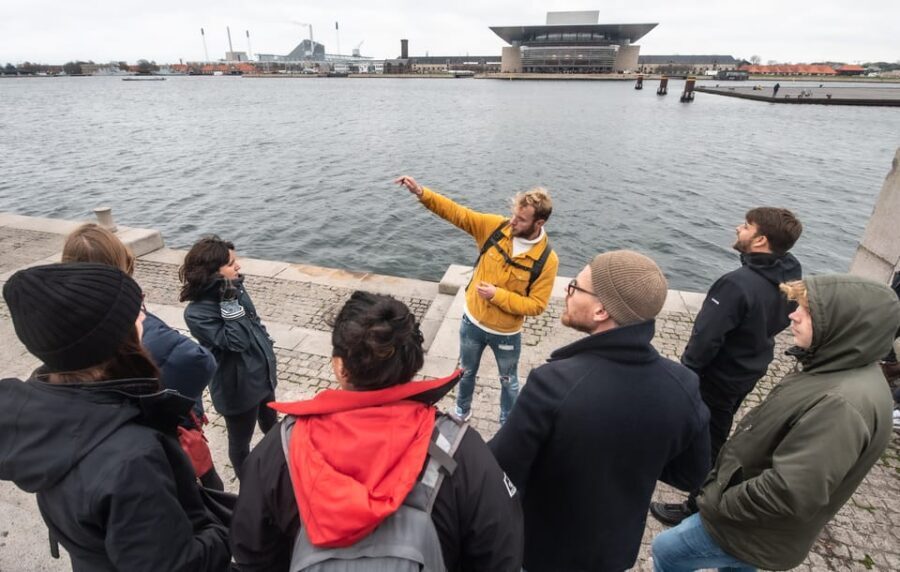
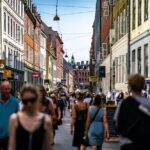
Once you reach Strøget (the pedestrian street), the tour shifts into everyday motion. Strøget is where Copenhagen does what Copenhagen does: street-level commerce, constant strolling, and the kind of city rhythm you can feel even if you only spend an hour here.
The guide’s job in this stretch is to connect the big-picture stories to what you’re literally standing in front of. You’ll get quick context on Danish culture and how older ideas keep showing up in modern street life.
From there you move to Kongens Nytorv. This is a good “breather stop,” because it gives you a sense of scale. It’s also a logical place to talk about royalty again—how the city’s center developed and why it keeps pointing you toward the same ceremonial spots.
Other walking tours we've reviewed in Copenhagen




Magasin du Nord, Hotel D’Angleterre, and the Royal Theatre feel like the city’s stage set
This part of the walk leans into Copenhagen’s “front-of-house” identity. Magasin du Nord brings in the shopping-and-culture angle. Hotel D’Angleterre adds the style-and-status layer that makes some streets feel curated even when they’re just busy.
Then the Royal Theatre stop tends to be a story engine. Even if you’re not seeing a show, the building helps the guide explain how theatre, performance, and national storytelling mix in Denmark. Expect references to Danish fairytales and cultural personality, again with that signature humour.
If you like walking tours that feel like you’re on a guided route through a living city—not a museum on wheels—this stretch usually lands well.
One drawback to consider: this is also where crowds can slow things down. If your tour group is large, you may notice the guide talking while not everyone is quite caught up.
Nyhavn: the postcard stop that actually helps you understand the waterfront
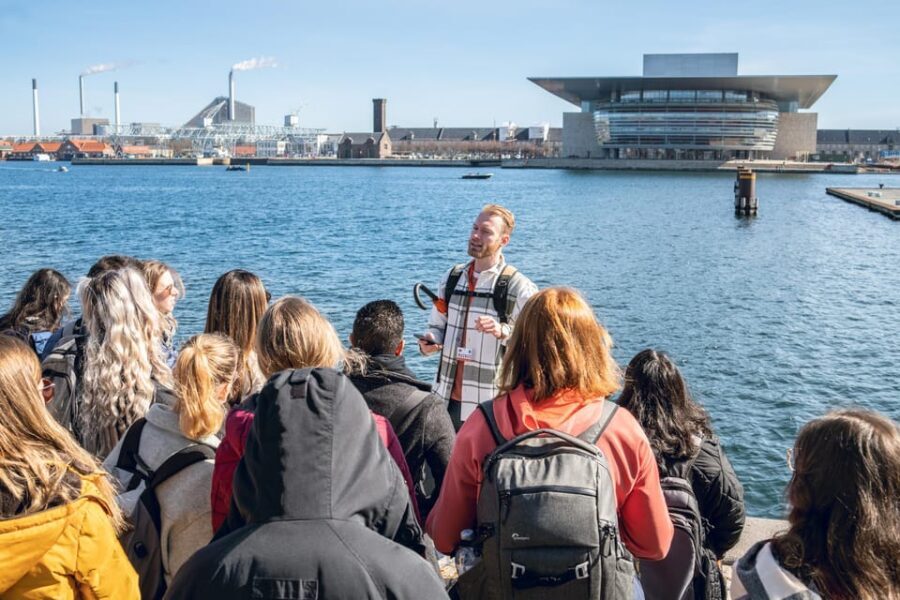
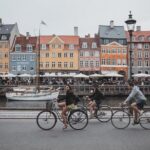
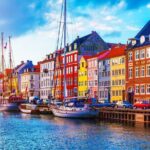
Nyhavn is a major payoff. It’s the kind of place where you can take photos for days, but a good guide does more than let you shoot angles. Here, the humour and the city context help turn Nyhavn from a scenic moment into a clue about Copenhagen’s relationships to trade, storytelling, and identity.
Nyhavn is also the kind of stop that changes depending on weather. On a gray day, it can feel a little cinematic. On a bright day, it feels breezy and loud. Either way, it’s a strong moment in a two-hour tour because it gives you a clear mental picture of what Copenhagen looks like when it’s at its most “you are here.”
Amalienborg and the Marble Church: finish with royal grandeur

The walk ends near Amalienborg Palace and the Marble Church. This is a strong ending choice because it closes the loop: you started with origins (Absalon) and the center (Strøget and squares), and you finish at the royal symbols that make Copenhagen feel official.
Amalienborg is where the guide’s royalty stories come into focus. On some days, timing can line up with ceremony. One guide experience described professional timing around guard movement, including the possibility of catching marching guards related to the Rosenborg-to-Amalienborg route.
After that, Marble Church gives you the final landmark moment. Even if you don’t go inside (entrance fees aren’t included), standing at the church during a guided walk helps you see how the city puts monumental religion and national identity on display.
If you want your first Copenhagen tour to end with a “wow, I get it now” feeling, this finish does that.
The humor factor: politically incorrect doesn’t mean careless
Let’s talk about the elephant in the orange umbrella.
The tour is explicitly designed to be a little offensive, and it makes jokes about nationalities—including Danish people. It’s meant to be in good fun, but the organizer’s own warning is clear: don’t book if you’re sensitive about certain topics.
How this shows up on the ground is that the guide doesn’t just tell history. They frame it with humour, sometimes bringing in darker angles and blunt comparisons. The tour even sets expectations that you’ll hear a mix of lore and gore, plus stories connected to princes and other taboos.
That’s not for everyone. It’s also not something you should try to “tough out” if you know you dislike that type of comedy.
On the other hand, if you can laugh at history’s messiness and you like dark-ish jokes that don’t take themselves too seriously, the humour is the delivery method. And multiple guides credited for this experience—Thor, Steen, Sebastian, Roger, Martin, Magnus, Conrad, and Silas—are praised for keeping the jokes coming without losing the thread of the sights.
Pace, group size, and who this tour suits best
This is a walking tour, so your success depends on your expectations.
It’s a good fit if:
- you want a fast orientation to Copenhagen
- you like storytelling with a comedy edge
- you want tips about what to do after the walk, not just what you saw on it
- you’re comfortable walking enough to cover a set route in 2 hours
It’s less ideal if:
- you need a slower pace
- you struggle with group timing
- you strongly prefer traditional museum-style explanations
One practical concern that can matter: a couple experiences noted that when the group is larger, the guide’s pace may not suit slower walkers. If reduced mobility affects you, you might find the pace challenging even though the tour is listed as wheelchair accessible.
For families, children are welcome, and the content can be shaped to a PG-13 level by most guides. Still, if you’re bringing kids, it’s worth checking how your group’s guide tends to handle sensitive topics.
Price and value: what $39 buys you in Copenhagen time
At $39 per person for a 2-hour guided walk, you’re paying for three things:
- a guide who controls the route and pace
- a story framework that makes landmarks stick in your memory
- practical tips that help you plan the rest of your trip
You’re not paying for museum tickets. Entrance fees aren’t included, so you should treat this as a guided city introduction rather than an all-inclusive sightseeing day.
In Copenhagen, guided walking tours often cost more than you expect, especially when they cover a tight set of major sights. Here, the value angle is that you get a lot of the city’s “first-timer essentials” in a short window, and the built-in GPS reduces time spent fumbling with navigation.
If you’re staying only a day or two and you want the fastest path to understanding where to go next, the cost starts to make sense quickly.
Smart tips so you get your money’s worth
Here’s how to squeeze maximum value from a short walk like this.
Arrive early enough to meet your group calmly. Fifteen minutes isn’t a suggestion—it’s how you avoid missing the start.
Bring a phone battery plan anyway. The tour has built-in GPS, which helps a lot, but you’ll still want your phone later for photos and next-day planning.
Pick the right attitude. If you’re going to enjoy this tour, go in expecting jokes. If you don’t have that mental gear engaged, you’ll spend time annoyed at the style instead of taking in the city.
Ask questions about what to avoid. The tour promises guidance on what to avoid, and that’s often the difference between planning well and wasting time on the wrong kind of attraction.
Should you book this Copenhagen city highlights walking tour?
Book it if you want an energetic Copenhagen highlights introduction where the guide uses humour as the main storytelling tool. You’ll cover key areas—Bishop Absalon, central squares, Strøget, Nyhavn, and the finish near Amalienborg and Marble Church—and you’ll leave with a better sense of what to chase next.
Skip it if you prefer dry history, if you’re sensitive about the kinds of topics the guide may joke about, or if your group needs a slower, more flexible walking pace. This tour is built for people who can handle, and even enjoy, the politically incorrect tone.
If you’re on the fence, think of it this way: you’re buying a guided walk through Copenhagen’s highlights plus a specific comedy style. Match your sense of humour to that, and you’ll likely have a great couple of hours.
FAQ
Where does the tour start and how do I find the guide?
The tour starts outside Gammel Strand Metro Station. Meet between the metro station entrance and the statue of Bishop Absalon. Look for the guide with the ORANGE umbrella.
How long is the Copenhagen group walking tour?
It lasts 2 hours.
How much does it cost?
It costs $39 per person.
What’s included in the price?
The guide is included. Entrance fees are not included (this is an outdoor walking tour).
Do I need to speak Danish?
No, but you do need English. English is mandatory for the tour.
Is the tour wheelchair accessible?
Yes, the tour is listed as wheelchair accessible.
Are children allowed?
Children are welcome. Most guides can keep the content at about a PG-13 level.
What should I do if I’m worried about sensitive topics?
The tour uses politically incorrect humour and makes jokes about many nationalities. If you or your group is sensitive about certain topics, it’s recommended that you do not book.
Do I have to pay right away?
You can reserve now and pay later. You can also cancel for a full refund up to 24 hours in advance.