REVIEW · COPENHAGEN
MACA Museum ‘Banksy & Street Art: The Early Years’ Art Exhibition
Book on Viator →Operated by MACA Museum · Bookable on Viator
Banksy starts on walls, then ends in museums. In Copenhagen, this outing pairs a quick taste of Nyhavn with 19th-century MACA Museum and an exhibition focused on three floors of street-art context.
What I like most is the way the show gives you clear descriptions (and translation options show up in how people experience it) and the way you get an in-depth look at Banksy alongside other graffiti artists, not just a single name on a wall.
One thing to think about: the experience involves stairs and there’s a lot of reading in the galleries, so if you prefer only pictures and quick glances, you may want to skim.
In This Review
- Key things to know before you go
- Nyhavn first: why this canal stop fits the street-art theme
- Price and value: getting admission and an art-focused hour
- Entering MACA Museum: 20th/21st-century art in a 19th-century setting
- The exhibition experience: Banksy and street art across three floors
- How much you’ll read vs. how much you’ll look
- Stairs, pacing, and on-site comfort (coat/bag and toilets)
- What this is best for (and when to choose something else)
- Pair it with nearby Copenhagen sights for a smooth day
- Should you book the Banksy & Street Art early-years exhibition at MACA Museum?
- FAQ
- How long is the Banksy & Street Art: The Early Years exhibition at MACA Museum?
- Is the experience offered in English?
- What is included in the ticket price?
- Where does the experience take place in Copenhagen?
- Can I cancel and get a full refund?
- Is it suitable for most people?
Key things to know before you go
- Nyhavn as a first stop: you start with Copenhagen street-level energy before you head into the museum galleries.
- English support: the experience is offered in English, which makes the art easier to place.
- Three floors, different exhibits: you’ll move through multiple levels, so plan a calm pace.
- Good labels and descriptors: the exhibit uses lots of written explanations, which is great if you like learning.
- On-site practical comforts: there are toilets and a place for coats/bags so you can travel lighter.
Nyhavn first: why this canal stop fits the street-art theme
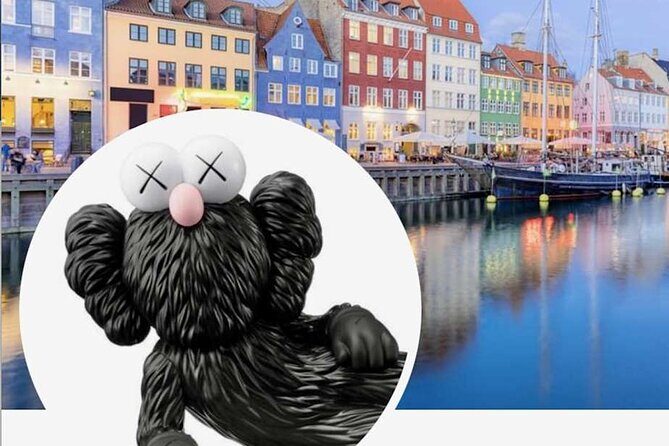
Starting near Nyhavn sets the right mood for street art. This is one of those places where Copenhagen feels real at eye level: people walking, boats moving through the harbor area, and photo-worthy corners around every bend. It’s the kind of pre-game that helps the exhibition land, because street art is all about how the city looks and feels to pedestrians.
Because the overall experience is about 45 minutes to 1 hour, treat this as a short stop, not a full canal tour. Bring your comfy shoes. And if the weather is windy or rainy, you’ll thank yourself for moving quickly and keeping a light layer handy.
Other museums and attractions we've reviewed in Copenhagen



Price and value: getting admission and an art-focused hour
At about $25.87 per person, the key value play here is simple: admission is included. You’re paying for access to the MACA Museum exhibition experience in a compact time window, rather than adding museum entry costs on top.
A second value factor is language. The experience is offered in English, so you can spend your time understanding what you’re looking at instead of guessing. And since this kind of Banksy-focused exhibit gets booked ahead (it averages about 19 days in advance), locking in a slot sooner can help you avoid awkward timing during busy weeks.
Entering MACA Museum: 20th/21st-century art in a 19th-century setting
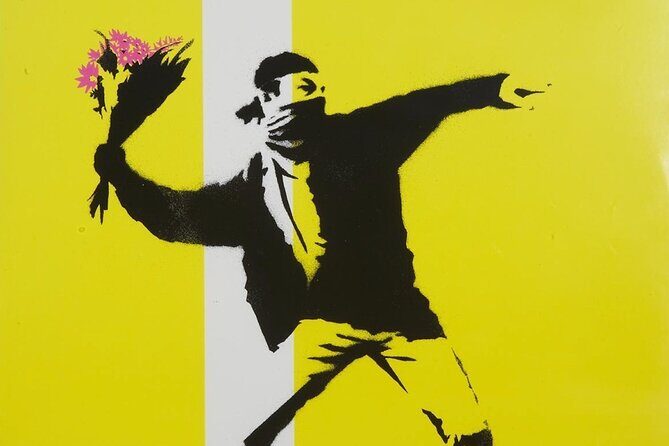
MACA Museum is a contemporary art museum inside an elegant historic building. That mix matters. When street art and graffiti are presented in an old-school museum shell, you can feel the shift from casual wall marks to curated cultural artifacts—without losing the original edge.
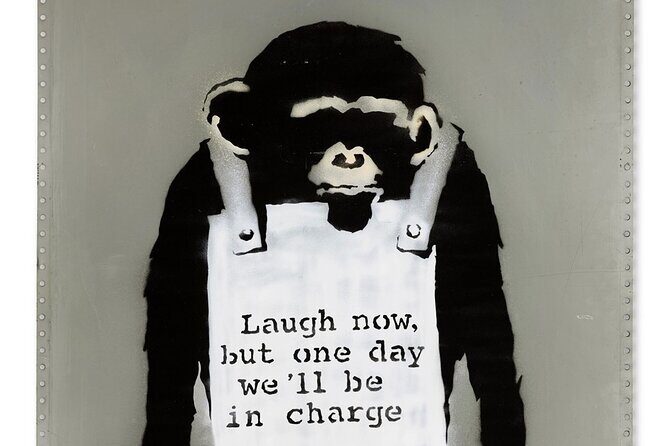
The museum also isn’t just a one-artist stop. It has shown major names like Warhol, Basquiat, RETNA, KAWS, Hirst, and Murakami. In practice, that gives the Banksy show extra weight. You’re not just seeing a single theme; you’re walking through a museum that places street art in the same conversation as other major modern voices.
And the location is convenient. You’re in the heart of Copenhagen with major sights nearby, including:
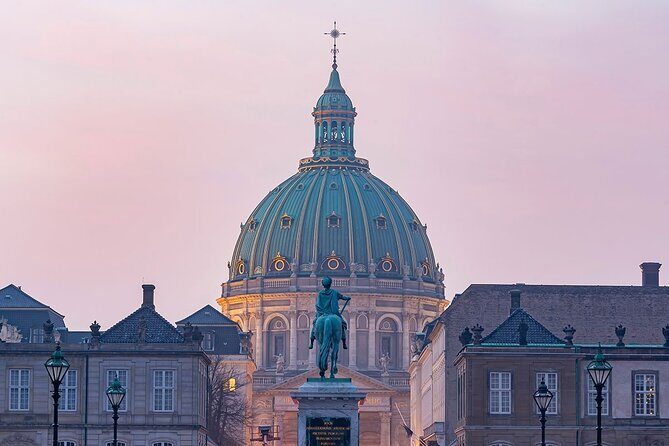
- Amalienborg Palace (the Danish royal family’s official residence during autumn/winter)
- Frederiksberg Kirke, also called Marmorkirken (The Marble Church)
- Strøget, the long shopping street and the original home area of Hans Christian Andersen
That means you can treat the exhibition as one anchor stop in a day of walking.
The exhibition experience: Banksy and street art across three floors
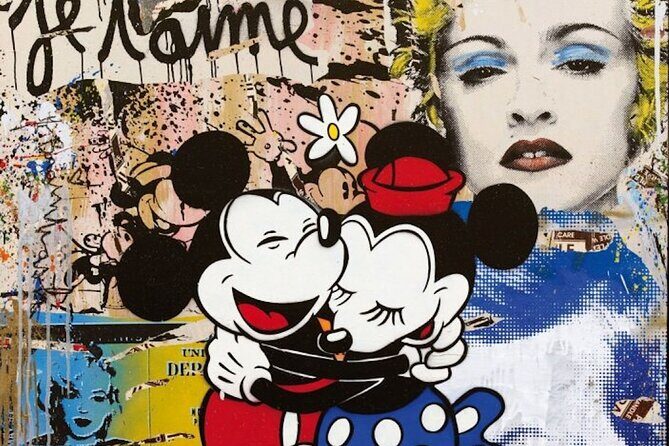
The show you’re here for is Banksy & Street Art: The Early Years. The big payoff is that it doesn’t read like a quick flyer. People experience it as an in-depth look—the kind where you start with Banksy, then keep seeing how street art culture developed through other graffiti artists too.
You’ll move through three floors, and the exhibits feel designed as separate sections rather than one long corridor. That matters because street art is visual and symbolic. Multiple levels help you keep your attention instead of wearing down after a single room of images and text.
Two practical notes that shape how you enjoy it:
- There are lots of descriptions. If you enjoy learning what you’re seeing, this is a bonus.
- If you’re not in a reading mood, you can still enjoy the art by focusing on pictures first and using the text as a second pass.
Either way, the labels help you connect details—symbols, themes, and styles—back to what street art can communicate.
How much you’ll read vs. how much you’ll look

Here’s the honest trade-off. The exhibition uses written explanations heavily. One review experience called this out as a drawback: there’s a lot of reading, and you’ll likely spend more time on text than you expected.
But that same detail is also why the show works so well for many people. If you want the early-years story—how street art became recognized, how artists used imagery and messaging—then the text is doing real work. You’re not only looking at pieces; you’re getting the context that makes the pieces make sense.
A smart way to handle it is to split your attention:
- Scan visually and pick 2–3 pieces that grab you.
- Read the descriptors only for those pieces.
- Move on.
That keeps the visit lively without turning it into a homework session.
Other museum experiences in Copenhagen




Stairs, pacing, and on-site comfort (coat/bag and toilets)
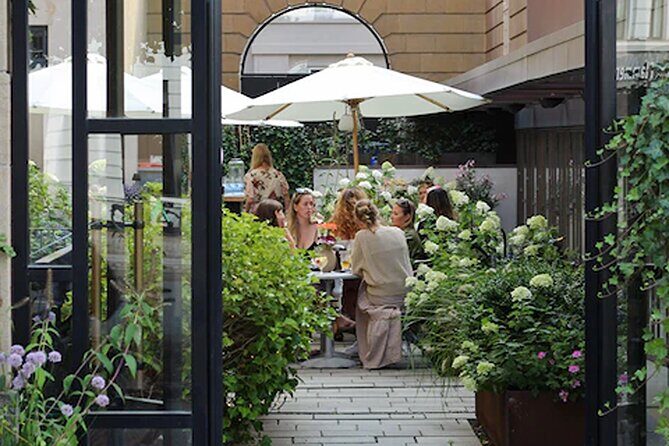
The museum layout includes stairs up and down. That means the visit is easiest if you’re comfortable with steps and don’t need step-free routes.
The good news: the museum includes toilets and a coat/bag rack, which is a real comfort in Copenhagen weather. If you tend to carry a backpack, plan for space management so you’re not juggling your bag while you try to look at smaller pieces.
Time-wise, keep expectations realistic. Even though the galleries cover multiple floors, the overall experience is 45 minutes to 1 hour. That’s enough time for a thoughtful walk-through, but not enough to become a full-time researcher.
What this is best for (and when to choose something else)
I’d book this if you:
- like Banksy and want more than just the headline name
- enjoy street art with context and clear explanations
- want a compact, central activity that fits a day already planned around Copenhagen walking
I’d think twice if you:
- dislike reading-heavy exhibitions
- want an ultra-relaxed, minimal-effort museum visit
- have mobility limits and find stairs difficult
If you’re somewhere in the middle—street art fan but text fatigue happens—no problem. You can still enjoy the art. Just go in with the plan to skim selectively.
Pair it with nearby Copenhagen sights for a smooth day
Because MACA Museum sits near major stops, you can build a nice flow without extra travel. Here’s a simple way to connect dots:
- Start with Nyhavn for that street-level Copenhagen vibe.
- Head into MACA Museum for the Banksy early-years show.
- Walk onward to sights like Amalienborg Palace and the Marble Church if your schedule allows.
- Finish the day on Strøget if you want design stores, snacks, and an easy final stroll.
This is especially handy if you like doing things on foot. You’ll spend less time coordinating transport and more time seeing how the city actually looks between attractions.
Should you book the Banksy & Street Art early-years exhibition at MACA Museum?
If you’re a Banksy fan, this is a strong yes. The main reason: the exhibition is experienced as an in-depth look with helpful descriptions, and it places Banksy in a broader street-art context rather than treating it as a one-room obsession. The format also fits the way people like street art best: short attention runs, strong visuals, then learning what the symbols are about.
Book it if you want an hour that balances art and meaning. Skip it only if you know you hate reading in museums or you’re not up for stairs.
FAQ
How long is the Banksy & Street Art: The Early Years exhibition at MACA Museum?
The experience is approximately 45 minutes to 1 hour.
Is the experience offered in English?
Yes, it is offered in English.
What is included in the ticket price?
Admission to the exhibition is included.
Where does the experience take place in Copenhagen?
It takes place in Copenhagen at MACA Museum, with Nyhavn listed as the first stop.
Can I cancel and get a full refund?
Yes. Free cancellation is available up to 24 hours before the experience start time for a full refund.
Is it suitable for most people?
The experience notes that most travelers can participate, but keep in mind there are stairs within the museum experience.