REVIEW · COPENHAGEN
Copenhagen: Private Full-Day City Tour with Lunch Option
Book on GetYourGuide →Operated by LocalCoolTour · Bookable on GetYourGuide
Copenhagen can be more than canals and bikes. This private full-day walking tour strings together the big-name sights like the Round Tower and the Little Mermaid with lesser-seen corners of the old town, plus canal neighborhoods locals actually use. I especially like the mix of architecture and street-level details, and I really enjoy the Danish food stops when you choose the Full option. One drawback to plan for: it’s a walking day, so comfortable shoes matter, and you won’t have hotel pickup.
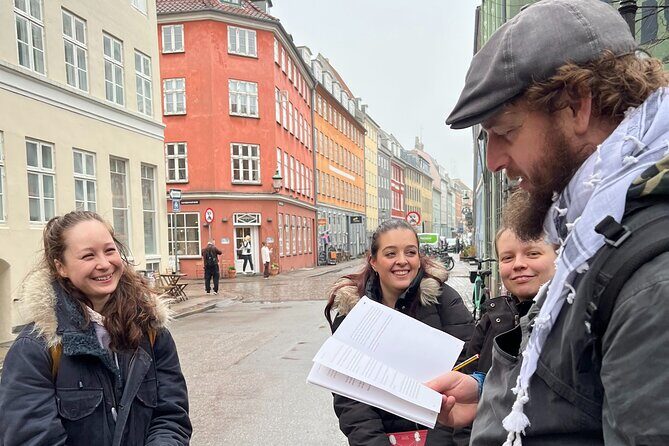
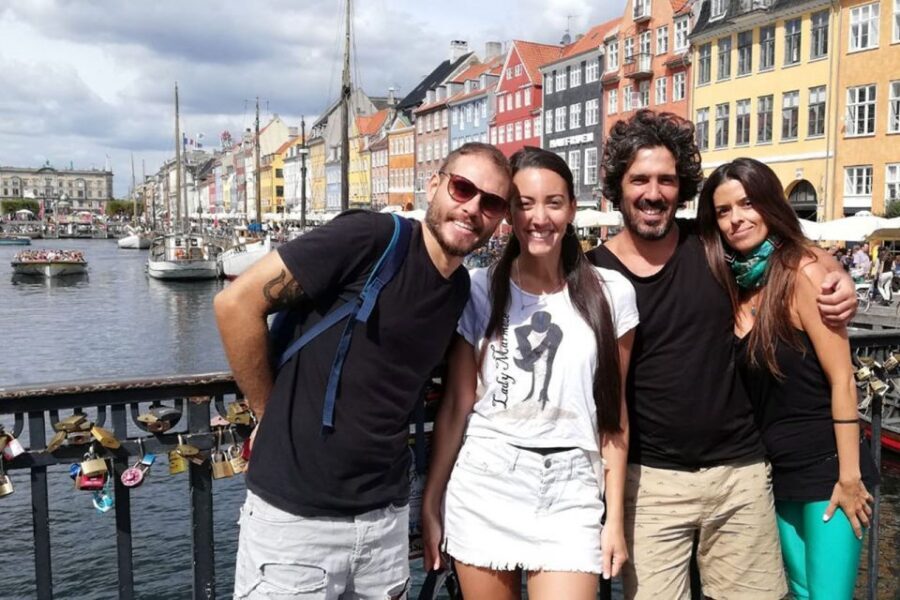
The other reason I like this format is the private guide. You get an English- or Danish-speaking local who can shape the pacing and answer questions on the spot (and yes, guides like Grazi have a reputation for excellent photo help), which makes the day feel personal rather than scripted. The meetup is in the open at Kultorvet Square, so if you’re trying to coordinate around a cruise terminal or a specific arrival point, it’s smart to confirm the best access point ahead of time.
In This Review
- Key highlights you’ll actually feel during the day
- Where you meet, how long it really takes, and the walking mindset
- Round Tower and Christiansborg: the city’s power, then the height
- Christianshavn canals and Church of Our Saviour’s spiral staircase
- Nyhavn, Børsen, and the city’s old-town story in short stops
- Freetown Christiania: what it is, and how to approach it respectfully
- Rosenborg Castle, King’s Gardens, and Marmorkirken’s dome feel
- Amalienborg, Opera House views, and the city’s ceremonial edges
- Gefion Fountain, Kastellet fortress, and the wish moment
- Little Mermaid to Osterport: wrapping up with a smart exit
- Danish food on the Full option: smørrebrød lunch, beer views, and pastry coffee
- Private guide perks: better answers, better photos, and better pacing
- Price and logistics: why $217 can be good value here
- Who this fits best (and who might want something else)
- Should you book this Copenhagen private city tour?
- FAQ
- Where does the tour start?
- How long is the tour?
- What’s the difference between the Standard and Full options?
- What food and drinks are included?
- Is there hotel pickup?
- What languages will the guide speak?
- Is the tour private and wheelchair accessible?
- How do I get back to the city center after the tour?
- What should I bring?
Key highlights you’ll actually feel during the day
- Private guide, English or Danish: You’re not merged into a mass group, and your route can adjust to what you care about.
- Panoramic views built into the walk: You’ll climb into the city’s viewpoints via stops like Christiansborg’s tower and a beer stop with city views.
- Real Danish eating on the Full option: Smørrebrød lunch plus beer with views, then a traditional pastry and coffee.
- Past the postcards into neighborhoods: Christianshavn canals and Freetown Christiania add a different side of Copenhagen.
- A practical ending near transit: The tour finishes by Østerport so getting back into the center is easier.
Where you meet, how long it really takes, and the walking mindset
You meet at Kultorvet Square, at the central fountain (Kultorvet 7). The tour runs about 5 hours, with availability showing a 390-minute window, and it can stretch toward the longer end depending on questions, photos, and how you move.
This is a walking tour first, sightseeing second. You’ll cover quite a bit of ground across islands, bridges, and viewpoints, so treat it like a full-day “on foot” plan even if the hours look moderate on paper. I’d keep your day simple: light bag, water, and layers for Copenhagen’s changeable weather.
If you’re staying outside the center, remember there’s no hotel pickup. On the bright side, the finish near Osterport (Østerport St.) helps you avoid a complicated “now what” moment at the end.
Other city tours we've reviewed in Copenhagen

Round Tower and Christiansborg: the city’s power, then the height
The day kicks off near the Round Tower area, with a guided stop at the Round Tower in Copenhagen. It’s one of those places that helps you understand how Copenhagen thinks about visibility and perspective.
From there you move through classic city squares like Nytorv and Højbro Plads, picking up the rhythm of older Copenhagen streets and facades. Then comes Christiansborg Palace, the former royal residence that now serves as the headquarters of the Danish Parliament. It’s a strong “how power works here” stop, even if you only skim the big ideas.
The standout viewpoint in this section is the Christiansborg Tower, where you get a longer guided session. This is the part where the tour pays you back for all the walking: you see how islands, waterways, and the city grid relate to each other, not just how they look from street level.
Practical note: viewpoint time can be a slower pace. If you’re photo-happy, this is where you’ll want to plan for it.
Christianshavn canals and Church of Our Saviour’s spiral staircase

After you cross into Christianshavn, the mood shifts from civic buildings to canals and everyday waterways. You’ll walk between canals and get that “Copenhagen is shaped by water” feeling right away.
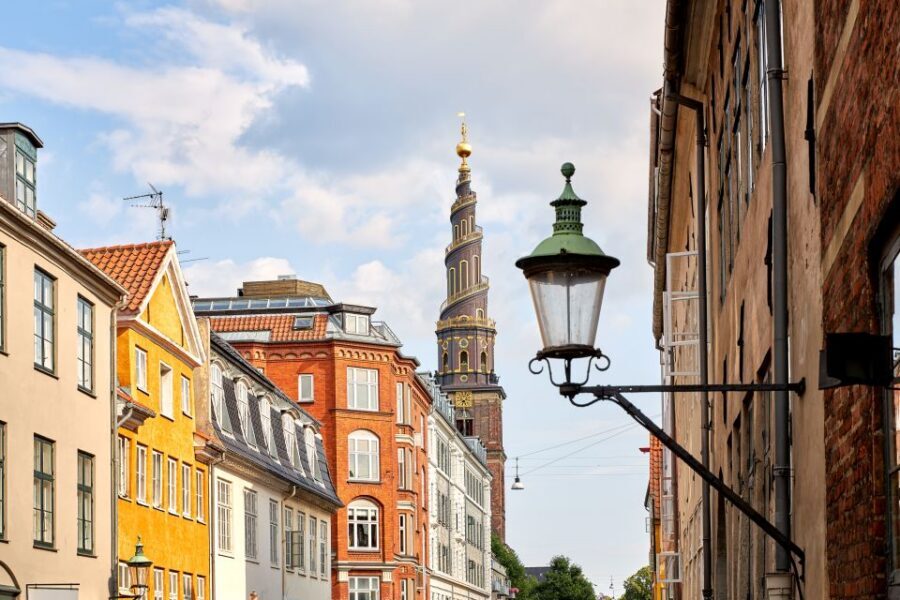
The Church of Our Saviour is famous for its baroque structure and the outdoor spiral staircase that creates a striking silhouette. Even in a short visit, it gives you something different from the flat-lens city photos you’ve probably already seen.
This segment works well because it’s not just sightseeing. It’s also about scale: narrow streets, canal edges, and a building that feels engineered to be seen from multiple angles. Your guide can point out how this neighborhood has its own identity within the city.
If you’re the type who likes to look up at architecture, this is a good stretch of the day. If you prefer “street life” over buildings, don’t worry—you’ll still be moving through lively lanes and water-adjacent views.
Nyhavn, Børsen, and the city’s old-town story in short stops
The tour threads through several old-town-style stops that are short but meaningful. You’ll pass Magstraede, cross areas around Højbro Plads, and see landmarks that help you connect the dots between Copenhagen’s historic core and its commercial life.
Børsen is one of those “wait, what is that?” buildings. It’s tied to Copenhagen’s trading past, and your guide can usually explain what to notice from the outside, which is useful if you don’t want to spend your day inside museums.
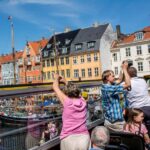
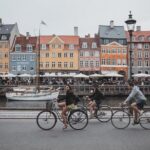
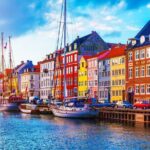
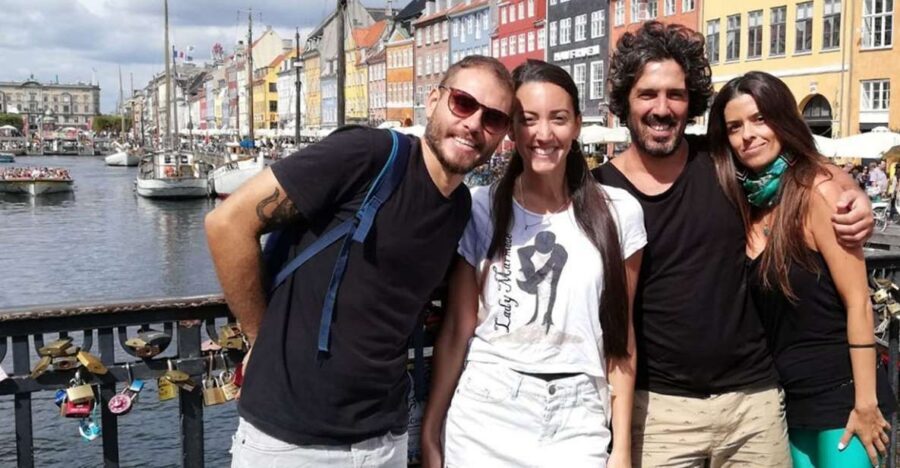
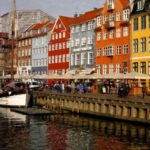
Then you reach the port side of town with Nyhavn, where boats and colorful buildings create an easy photo moment. Nyhavn is one of those places you can’t completely ignore, but the tour doesn’t treat it as a one-note stop. You’ll have context for why it looks the way it does and how it fits into the broader city layout.
One thing I appreciate here is the pacing. The stops are spaced so you’re not constantly in a single long line. You get breaks to absorb, reposition, and keep moving.
Freetown Christiania: what it is, and how to approach it respectfully
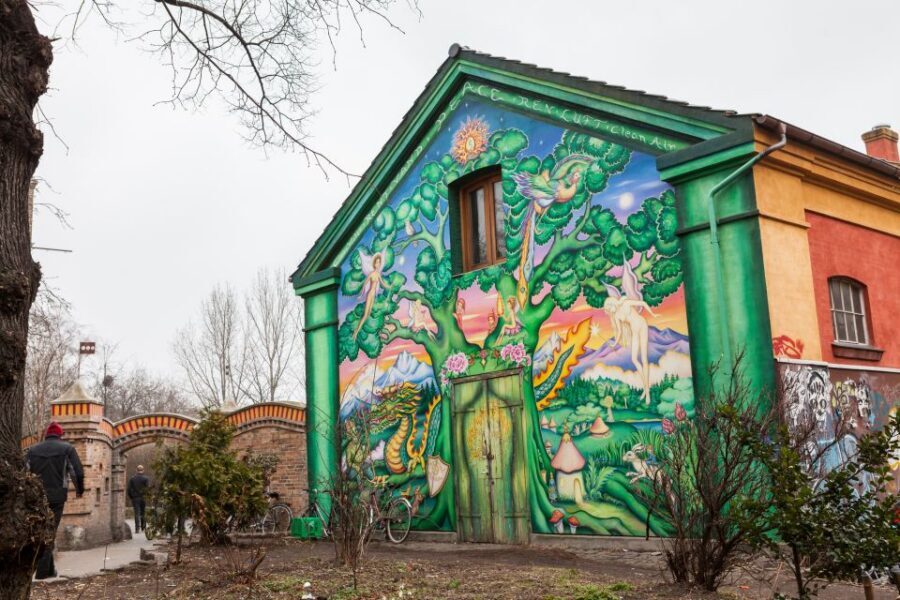
You’ll visit Freetown Christiania, a self-governing community in the heart of Copenhagen. The guide frames it as an independent community with more than a thousand people living there together in peace and away from social norms.
This stop can feel like a contrast to the palace-and-tower parts of the day. That’s the point. Copenhagen has layers, and this is one of the places where you feel the city debating identity in real time.
How I’d approach it: keep it calm, stay aware of signs and local rules, and remember that you’re visiting a living community, not a theme park. If your guide can explain the basics clearly, you’ll leave with a more grounded understanding than you’d get from a quick photo stop.
Also, because it’s a walking day, you might want to bring a bit of patience here. It’s the kind of place where your guide may spend a little longer making sure you understand the context.
Other private tours in Copenhagen


Rosenborg Castle, King’s Gardens, and Marmorkirken’s dome feel
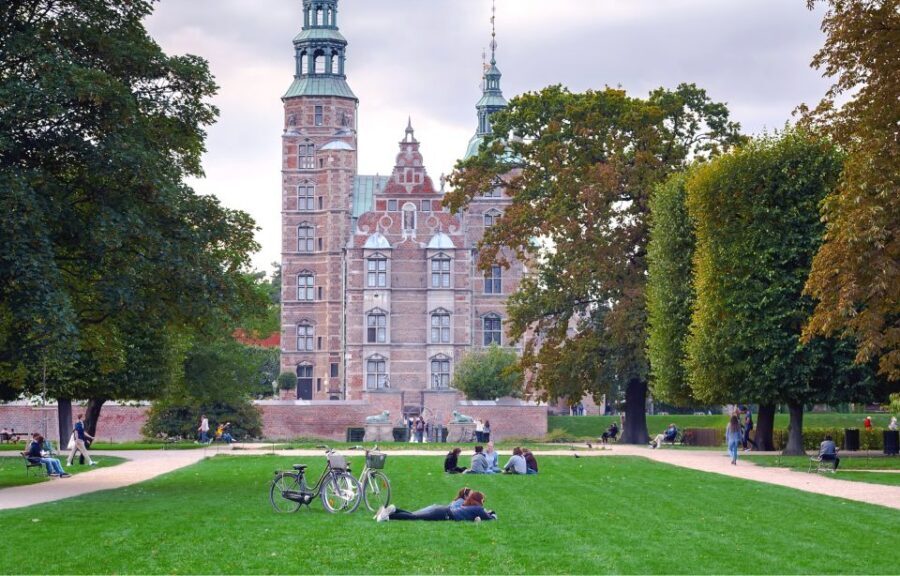
Rosenborg Castle is one of the major “royal Copenhagen” anchors, and you’ll get a guided stop that fits well into the day’s flow. Nearby is the idea of King’s Gardens, which helps you shift from indoor power to outdoor city breathing space.
Then you’ll head toward Marmorkirken, the Marble Church. It’s famous for its appearance and its scale, and even if you don’t go deep into interior details on this type of stop, it’s worth seeing with the right framing from a guide.
This section is valuable because it ties together three different kinds of landmarks: monarchy (Rosenborg), calm public space (the gardens area), and religious architecture (Marmorkirken). You start to see how Copenhagen uses formal buildings to anchor everyday walking routes.
If you’re on a photo mission, this is a good block of the day. Aim for quick, steady shots, and let your guide point out which angles make the dome and facade look most convincing.
Amalienborg, Opera House views, and the city’s ceremonial edges
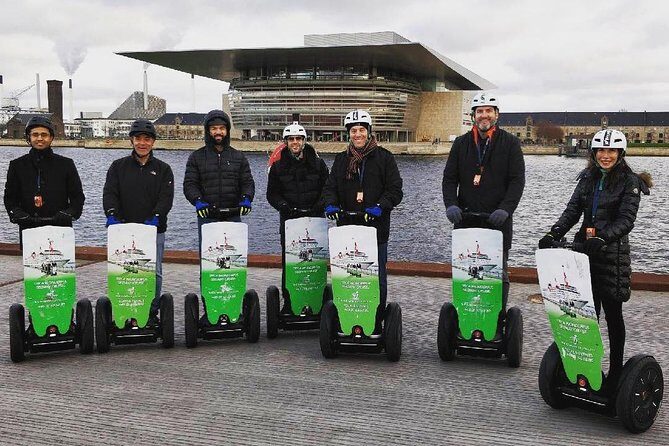
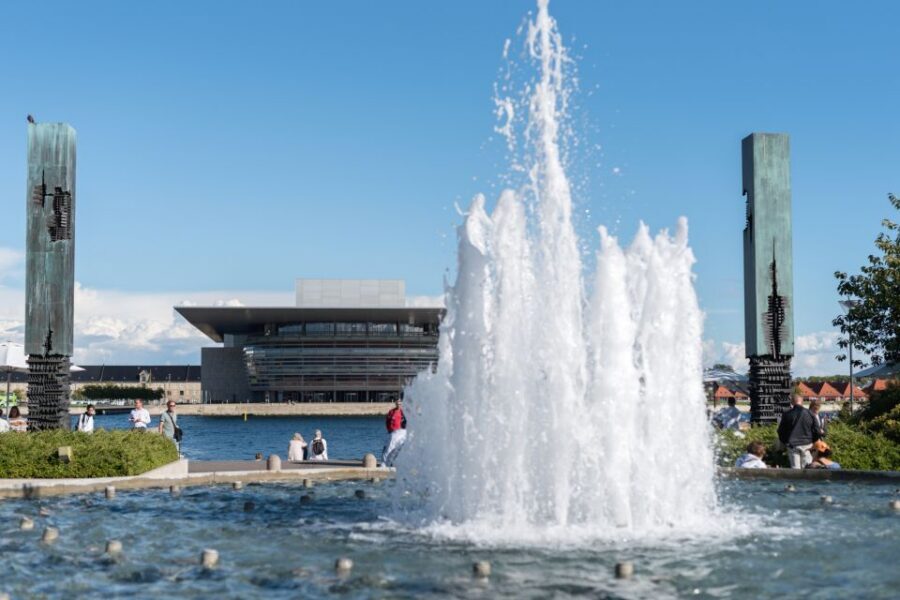
Amalienborg is the official residence of the Kings of Denmark, and the tour gives it a guided stop with time to take in the surroundings. From the gardens, you get a view across the canal to the Copenhagen Opera House, which is a satisfying pairing: ceremony in one direction, modern architecture in the other.
This is also a good moment to slow down slightly. The walk gives you enough structure to connect the old and new without turning your day into a sprint.
Your guide can help you notice how the canal works as a divider and a connector at the same time. It’s one of those “Copenhagen is built on water logic” lessons you feel more than you hear.
If you’re the kind of traveler who likes understanding urban planning (even lightly), this pairing is one of the best teaching moments. It also offers a natural “reset” before the fort and coastline-adjacent stops.
Gefion Fountain, Kastellet fortress, and the wish moment
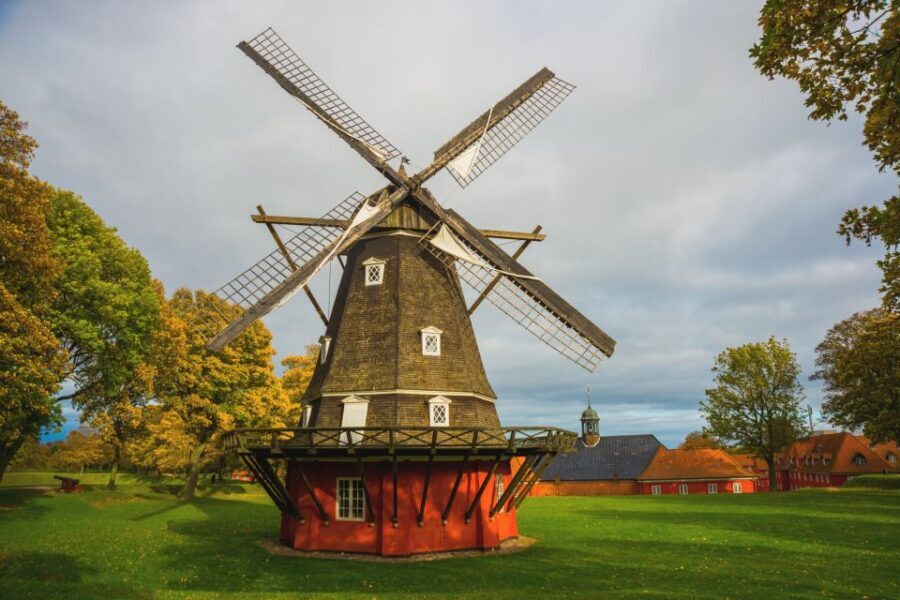
After Amalienborg and the opera-view moment, the route continues along the river. You’ll see Kastellet, a fortress built in the 17th century, which adds a strategic Copenhagen chapter to the day.
Then you visit Gefion Fountain, described as a symbol of the history of the Danish capital, with a classic permission slip built in: you can make a wish there. It’s small on the “time spent” scale, but it works as a mental bookmark. You’re moving from ceremonial and royal sites into older defensive and civic history.
This stop mix is smart because it keeps variety without overloading you with long museum segments. Fortress views and fountain symbolism are easier to absorb on a walking route than if you had to drive between distant areas.
If you like taking photos with a story behind them, ask your guide what the fountain represents in practical terms. You’ll remember the stop longer that way.
Little Mermaid to Osterport: wrapping up with a smart exit

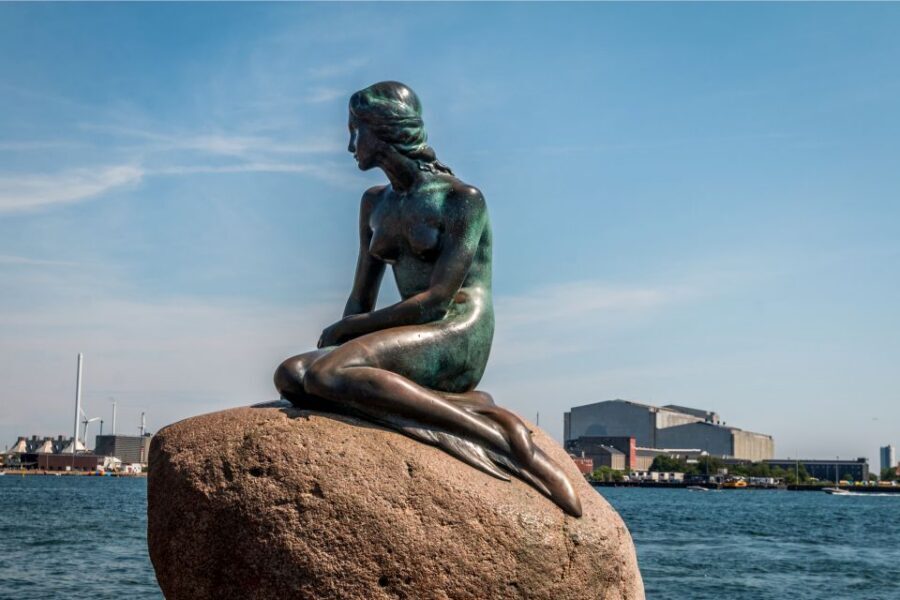
The day ends with The Little Mermaid (statue), one of Copenhagen’s most recognizable symbols. It’s brief, like it has to be, but your guide can help you see what the statue represents in the city’s imagination and identity.
After that, you finish near Osterport Station (Østerport St.). The guide also makes sure you can get back toward the city center by train or boat, which is a really practical finish if you’re trying to keep your afternoon or evening plans intact.
This ending matters because Copenhagen’s transit options can be confusing if you’re tired. Having your guide point you toward the right station reduces stress and helps you avoid the “we’re done, now what” problem.
Danish food on the Full option: smørrebrød lunch, beer views, and pastry coffee
If you choose the Full option, you’re getting a true Danish food experience rather than a token snack. Included is 1 smørrebrod per person, a typical aromatic herring sandwich with fresh herbs. That’s a classic Copenhagen flavor profile, and it fits well into the middle of a walking day because it’s filling without being heavy.
Full option also includes a local beer with the best panoramic views of Copenhagen. That’s the kind of inclusion I like because it ties food to a specific payoff: you eat, then you look out across the city.
Then, for everyone (Full and Standard), you stop for a Danish pastry + coffee. It’s a comforting rhythm break, and it’s exactly the kind of easy local ritual that makes a walking tour feel like an experience rather than a checklist.
Soft drinks are included for kids, so families have a simple solution without scrambling for snacks.
If you’re unsure which option to pick, think about your day structure. If you’ll be walking for hours and you tend to get hungry midday, the Full option usually makes the most sense.
Private guide perks: better answers, better photos, and better pacing
The best part of this tour is how it’s designed around a human guide. The format is private, so you don’t have to match your pace to strangers who move in a different rhythm.
Guides like Grazi have been praised for handling the small questions fast, even looking up answers immediately when something wasn’t obvious. That’s a big deal on a day like this because Copenhagen rewards curiosity. You’ll ask things like why a building looks the way it does, what certain neighborhoods were known for, and why the city developed its waterfront character.
There’s also a practical advantage: guides such as Alessandro have a reputation for being professional and making the experience feel genuinely cared for. And if you like photos, Grazi is specifically mentioned for taking great pictures with tricks that help you get a good angle without fuss.
Ask your guide for one thing early: what angle should you prioritize at the viewpoint stops. Then take five minutes to do it right. It’s a small request that can change how satisfied you feel at the end of the day.
Price and logistics: why $217 can be good value here
At $217 per person, this isn’t a budget tour. But you’re paying for a private guide, a walking route packed with major landmarks, and food inclusions that change the math.
On the Full option, you’re not just buying access. You’re getting a smørrebrod lunch, a beer with panoramic views, and then you’re also getting a pastry and coffee. That’s multiple “local experience” items in one plan, which can be hard to reproduce on your own without spending time figuring it out.
The tour also ends in a practical place near transit. That reduces your planning load after the sightseeing day.
The one logistics downside is simple: no hotel pickup. If your hotel is far from central access points, you’ll need to factor in transit time to Kultorvet Square.
If you’re traveling with a small group and you care about history plus food, private can make sense quickly. If you only want a quick postcard walk, you might feel the cost more sharply.
Who this fits best (and who might want something else)
This tour fits best if you want a guided walking day that includes both major icons and the city’s more local-feeling stops. You’ll enjoy it if you like architecture, quick context, and food that actually tastes Danish rather than being an optional add-on.
It also works well for people who want personalization. The guide’s ability to answer questions and keep you on track makes the day feel smoother.
If you’re traveling with limited mobility, the tour is wheelchair accessible, but it’s still a walking tour. You’ll want to talk to the operator about the realistic route comfort and how long you’ll be on foot.
If you hate walking and prefer fast museum stops, this might feel like too much moving. Copenhagen is beautiful, but this plan is built for your shoes.
Should you book this Copenhagen private city tour?
Book it if you want a structured day that still feels personal, with Danish food stops and viewpoints that give you a real sense of the city’s shape. The private format is the deciding factor, especially if you like asking questions and want a guide who can keep the experience flowing.
Skip it if you want mostly indoor attractions or you’re not up for a sustained walking day. Also, if your day depends on a very specific pickup near where you arrive (like a cruise), it’s worth asking about the closest practical meetup option rather than assuming Kultorvet Square is always the easiest start.
If you want Copenhagen in one clear day without turning it into logistics homework, this is a strong choice.
FAQ
Where does the tour start?
The meeting point is at Kultorvet Square, at the central fountain (Kultorvet 7).
How long is the tour?
The duration is listed as 5 hours (also shown with a 390-minute window).
What’s the difference between the Standard and Full options?
The Standard option does not include lunch. The Full option includes lunch (and also includes a local beer with panoramic views).
What food and drinks are included?
You get 1 smørrebrod per person for the Full option, plus a Danish pastry and coffee. Soft drinks are included for kids.
Is there hotel pickup?
No. Hotel pickup is not included.
What languages will the guide speak?
The live tour guide offers English and Danish.
Is the tour private and wheelchair accessible?
Yes. It’s a private group experience, and it is listed as wheelchair accessible.
How do I get back to the city center after the tour?
Your guide will take you to the train or boat station so you can return easily. The itinerary finishes near Østerport St. (Osterport Station).
What should I bring?
Bring comfortable shoes, since it’s a walking tour.