REVIEW · COPENHAGEN
Copenhagen: Modern City Food Tour
Book on GetYourGuide →Operated by Copenhagen By Mie · Bookable on GetYourGuide
Eight bites can change how you see Copenhagen.
This Modern City Food Tour is a four-hour walk through the parts of the city where Danes actually eat and where food comes with a backstory. I like the way it mixes smørrebrød history with stops that show Danish cooking in its modern form, including flavors inspired by places like Noma and even the Middle East. One thing to think about: it’s a true walking tour, so if your feet get cranky fast, this may feel like more effort than you want.
The best part for me is the format: a small group (up to 10) and a live English-speaking guide, so you can ask questions without feeling rushed. You also get eight tastings plus one full lunch, which matters in Copenhagen where eating out can get expensive quickly.
You’ll meet right in the action at Pincho Nation Nørreport, then head out on foot. Bring comfortable shoes, plan for the weather, and keep your water bottle handy—you’ll want it.
In This Review
- Key things I’d plan for on this Copenhagen food tour
- Where You’ll Start: Pincho Nation in Nørreport
- Price and Value: What $149 Buys in Copenhagen Eating Time
- Torvehallerne Stop: The Danish Market Reality Check
- Historic Smørrebrød Tavern: The Open-Faced Sandwich You’ll Remember
- Modern Danish and Middle East-Inspired Bites: Innovation with a Point
- Pastry Time at Traditional Bakeries: Wienerbrød and Creamy Comfort
- The Small Group Advantage: Better Questions, Better Eating
- Pacing and Logistics: How to Make the Most of 4 Hours
- Who This Tour Fits Best (and Who Should Skip It)
- Should You Book This Copenhagen Modern City Food Tour?
- FAQ
- Where does the tour start?
- How long is the Copenhagen Modern City Food Tour?
- How many tastings are included?
- Is lunch included?
- What language is the guide?
- How big is the group?
- Is hotel pickup included?
- Is the tour suitable for people with food allergies?
Key things I’d plan for on this Copenhagen food tour

- Eight tastings plus a full lunch packed into a short 4-hour window
- Torvehallerne as your orientation point for how Danish food markets really work
- Smørrebrød in a historical tavern, with stories about origins and toppings
- Pastry focus, including flaky wienerbrød and creamy bakery treats
- Modern Danish influence, with stops that mix tradition and current culinary ideas
- Up to 10 people, which keeps the conversation going (and yes, guides like Oscar and Sandra tend to add extra shop recommendations)
Where You’ll Start: Pincho Nation in Nørreport

Meeting in front of Pincho Nation Nørreport is convenient if you’re staying anywhere central. Nørreport is one of those “you can get here from anywhere” hubs, so you’re not burning time figuring out transport before the tour even starts.
The tour runs about four hours, and the time goes fast once you’re walking. Your first minutes matter: I’d treat the start as your chance to get your bearings fast—ask the guide what you should watch for in Danish food, and you’ll enjoy every later bite more.
If you’re the type who likes photos, bring your camera. You’re moving between food stops where the scene matters as much as the plate.
Other food tours we've reviewed in Copenhagen
Price and Value: What $149 Buys in Copenhagen Eating Time

At $149 per person, this isn’t a bargain-feeling tour. But you’re not just paying for food—you’re paying for a guided route, eight separate tasting moments, and one full lunch, plus the stories that connect it all.
In Copenhagen, a couple of meals and a few snacks can add up fast. Here, the math is simpler because you’re basically buying multiple restaurant-level tastings in a set block of time, with guidance on what to try and why it matters. And because the group is small, you’re more likely to get helpful answers during the meal, not just a one-way narration.
If your goal is to taste widely and avoid eating the “obvious tourist order,” this kind of structured value tends to work well. If you’d rather do everything on your own and linger for hours, you might prefer a self-guided food day.
Torvehallerne Stop: The Danish Market Reality Check

One of the tour anchors is Torvehallerne, the food hall where you can see Denmark’s food culture up close. The value of visiting it with a guide is simple: you get context immediately. You’re not just walking past stalls hoping you’ll pick well.
Expect a lively mix of food-energy—more “this is what people buy” than “this is what looks good.” You’ll also get at least one tasting connected to the market experience, plus the kind of background that helps you understand Danish staples instead of treating everything like a random sample plate.
Practical angle for you: this is where you’ll learn how Danish flavors are built. Once you understand that, the later smørrebrød and pastry stops make much more sense.
Historic Smørrebrød Tavern: The Open-Faced Sandwich You’ll Remember
The signature moment is smørrebrød at a tavern in a historical setting. Open-faced sandwiches sound simple until you see how intentional they are. The tour’s focus here is the craftsmanship: toppings, balance, and the logic behind what pairs well.
You’ll savor open-faced sandwiches topped with local delicacies, and you’ll also hear the stories behind where these combinations come from. That part matters because smørrebrød isn’t just a menu item—it’s part of Danish everyday culture, from home meals to old-school tavern traditions.
What to watch for as you eat: pay attention to textures. Smørrebrød often plays the game of crisp vs. soft, salty vs. creamy, bright vs. heavy. When you learn what the toppings are aiming to do, you’ll stop thinking of it as “a sandwich” and start thinking of it as an edible design.
Also, plan your pace. This is one of the stops where the meal portion can feel like the “main event,” so you’ll be glad you wore comfortable shoes and you came hungry.
Modern Danish and Middle East-Inspired Bites: Innovation with a Point

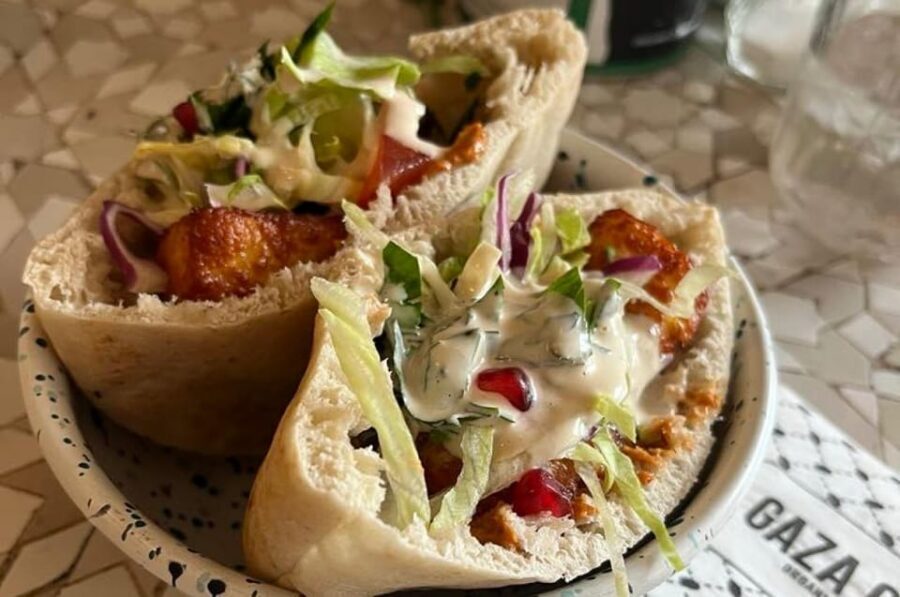
Besides the classic Denmark stops, the tour includes handpicked eateries where Danish innovation shows up in the plates. Some places on the route draw inspiration from Noma, and others reflect Middle East influences, all filtered through Danish interpretation.
This section is where you learn something useful: Denmark isn’t only about old taverns and pastry counters. You get a look at how chefs think about ingredients, technique, and flavor contrast today.
How to get the most from these tastings:
- Try to listen for the “why” behind the dish, not just what you’re eating.
- If you’re adventurous, ask how the local version differs from what inspired it. That’s often where the story gets interesting.
The only potential drawback is that modern menus can be more intense in flavor than the classic comfort food you might expect. If you’re very sensitive to unusual combinations, you’ll still be fine, but go in ready to taste with curiosity rather than expecting everything to be mild.
Other food & drink experiences in Copenhagen






Pastry Time at Traditional Bakeries: Wienerbrød and Creamy Comfort
No Copenhagen food tour is complete without pastry. This one includes sampling from traditional bakeries, including flaky wienerbrød plus creamy treats.
Why this matters: Danish pastry isn’t just dessert. It’s one of the ways Danish bakeries turn butter, flour, and technique into something that feels both everyday and special.
You’ll also get cultural context—how these pastries fit into daily life and why they’re valued. It makes a difference because you’re not only eating sugar and pastry; you’re tasting a regional tradition that people take seriously.
For your own enjoyment, I’d treat this stop as your palate cleanser after the more savory modern bites. Even if you’re not a huge sweets person, the variety here helps you finish the tour feeling satisfied rather than stuffed.
The Small Group Advantage: Better Questions, Better Eating
This tour is capped at 10 participants, which keeps the pace human. In food tours that are larger, you often feel like you’re eating quickly and moving on. Here, you have a better chance to talk with the guide while you’re still in the moment.
The guides on this tour are known for mixing storytelling with practical add-ons. In particular, guides like Oscar and Sandra are mentioned for balancing history and food in a way that feels natural—and for sharing extra suggestions beyond the booked stops, like other places to try for bars and restaurants after the tour.
For you, that means two things:
- You can ask what to order later, not just what you’re trying today.
- You’ll likely leave with a short list you can actually use, rather than a pile of vague names.
And it’s not just about information. Eating together in a small group tends to make the whole thing feel less like a lecture and more like a shared afternoon out.
Pacing and Logistics: How to Make the Most of 4 Hours
A four-hour schedule is tight, but it’s also long enough to feel like you had a real meal experience rather than five minutes per stop.
Here’s what to plan for based on what the tour includes:
- You’ll walk between multiple food areas, including Torvehallerne and historical eating spots.
- You’ll get eight different tastings spread across the route.
- You’ll also enjoy one full lunch during the tour.
Bring what you need for comfort:
- Comfortable walking shoes (non-negotiable—this is not a sit-and-sip tour)
- A reusable water bottle plus a small bag to carry it
- Weather-appropriate clothing, because Copenhagen weather can change quickly
- A camera, since you’ll have plenty of places worth photographing
What’s not included is hotel pickup and drop-off. You’ll want to arrive at the meeting point (Pincho Nation Nørreport) under your own steam, then just follow the route on foot.
One more thing: the tour doesn’t allow pets, and smoking isn’t allowed.
Who This Tour Fits Best (and Who Should Skip It)
This Copenhagen food tour is a strong match for:
- First-timers who want to understand Danish food culture fast
- Food lovers who enjoy walking and tasting in a structured way
- Travelers who like small groups and conversation
- People who want a mix of traditional Denmark (smørrebrød, pastries) and modern influences
It’s not a good fit if:
- You’re in a wheelchair (it’s listed as not suitable for wheelchair users)
- You have food allergies. The tour notes they try to accommodate allergies, but they can’t guarantee changes to inclusions, and it’s marked as not suitable for people with food allergies.
If you have any allergy concerns at all, contact the operator before you go. Don’t assume an accommodation will be automatic.
Should You Book This Copenhagen Modern City Food Tour?
I’d book it if your goal is simple: taste more than one “type” of Copenhagen food in a short, well-guided afternoon, and learn what you’re eating along the way. The combination of smørrebrød in a historical tavern, market time at Torvehallerne, and a pastry-focused finish makes the tour feel balanced—classic meets current.
It’s also a smart choice if you want to leave with practical ideas for where to eat next, since guides like Oscar and Sandra are noted for adding helpful extras beyond the planned bites.
Skip it if you hate walking, or if your dietary needs are complicated by allergies, or if you’d rather wander freely without a set tasting plan. In that case, you’ll get more comfort and control by going self-guided.
If you’re somewhere in the middle—curious, hungry, and okay with a good walk—this is the kind of Copenhagen day that turns into real memories.
FAQ
Where does the tour start?
You meet in front of Pincho Nation Nørreport.
How long is the Copenhagen Modern City Food Tour?
It lasts about 4 hours.
How many tastings are included?
You’ll have 8 different tastings during the tour.
Is lunch included?
Yes, the tour includes 1 full lunch.
What language is the guide?
The live tour guide speaks English.
How big is the group?
It’s a small group limited to 10 participants.
Is hotel pickup included?
No, hotel pickup and drop-off are not included.
Is the tour suitable for people with food allergies?
It’s not suitable for people with food allergies. The operator tries to accommodate allergies, but they cannot guarantee that all inclusions can be amended.