REVIEW · COPENHAGEN
Copenhagen: Best of Danish Pastry Tasting Tour
Book on GetYourGuide →Operated by Lost with a Local · Bookable on GetYourGuide
Five pastries, two hours, one great walk.
This Copenhagen tour blends classic Danish pastry with live city stories, so you’re not just eating sugar—you’re learning why each bite exists. I like the way guides connect what you taste to the neighborhoods you pass, and I like that the group stays small.
My only heads-up: you’ll walk about 5 kilometers in total, and with five sweet tastings, you may want to plan for sharing if you’re not a big dessert eater.
In This Review
- Key takeaways before you go
- Danish pastry plus city stories: why this tour works
- Where to meet and how the 5 km walk feels in real life
- What you’ll taste: Wienerbrød, Tebirkes, Hindbærsnitter, Kringle
- Wienerbrød: the laminated layering test
- Tebirkes: savory-leaning, seed-topped comfort
- Hindbærsnitter: jammy raspberry bar energy
- Kringle: puff pastry with shape and presence
- The five bakery stops: what changes from place to place
- Stop 1: first bite, first clue about quality
- Stop 2: a seed-topped or savory-leaning pastry moment
- Stop 3: the laminated or puff-structure stop
- Stop 4: fruit-forward Hindbærsnitter stop
- Stop 5: the finish bite (and why sharing helps)
- The Copenhagen story part: what the guide brings to the walk
- Timing, cold weather, and how not to get dessert overload
- Value check: why $74 feels fair for what you get
- How to get the most out of it (without overthinking)
- Who should book this Danish pastry tour?
- Should you book this Danish Pastry Tour in Copenhagen?
- FAQ
- Where is the meeting point?
- How long is the tour?
- How far do we walk?
- How many bakeries are visited?
- What pastries are included?
- Is the tour guide English-speaking?
- What group size should I expect?
- What is the cancellation policy?
- Can I pay later?
Key takeaways before you go
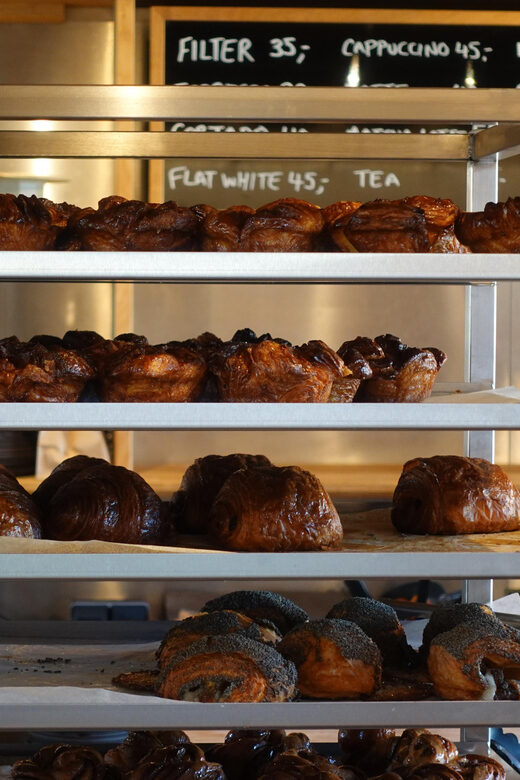
- 5 bakery stops in 2 hours means steady variety, not a slow parade of the same pastry
- Half-portion tasting makes it easier to try multiple types without feeling totally stuffed
- English-speaking, small groups (max 10) helps the guide answer questions as you go
- A guided mix of pastry craft and Copenhagen context turns the walk into something more than food
- Cold-weather coping is real: reviews say it’s manageable if you dress for the weather
Danish pastry plus city stories: why this tour works
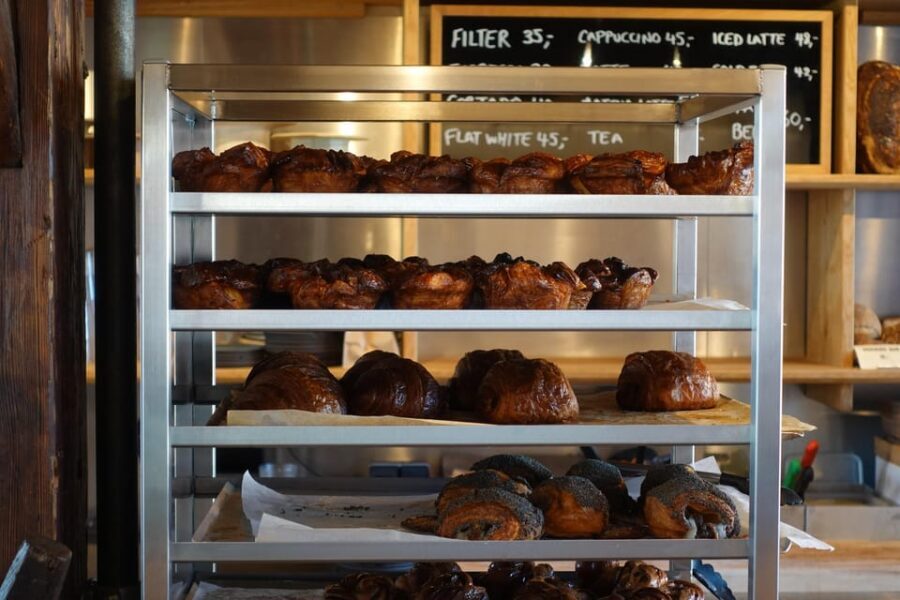
Copenhagen is packed with bakeries, but most visits feel like a solo scavenger hunt. This tour gives you a cleaner way to explore: five stops, one short guided route, and a clear reason for each tasting.
What I like most is the balance. You get flaky laminated layers (hello Wienerbrød), jammy fruit bars (Hindbærsnitter), and pastry shapes you won’t see everywhere (like Kringle). And along the way, the guide adds what you’d otherwise miss: local traditions, why certain pastries matter, and what to notice in the streets you’re crossing.
One more practical win: because you’re tasting at multiple places, you don’t need to commit to a whole pastry you might not love.
Other food tours we've reviewed in Copenhagen


Where to meet and how the 5 km walk feels in real life
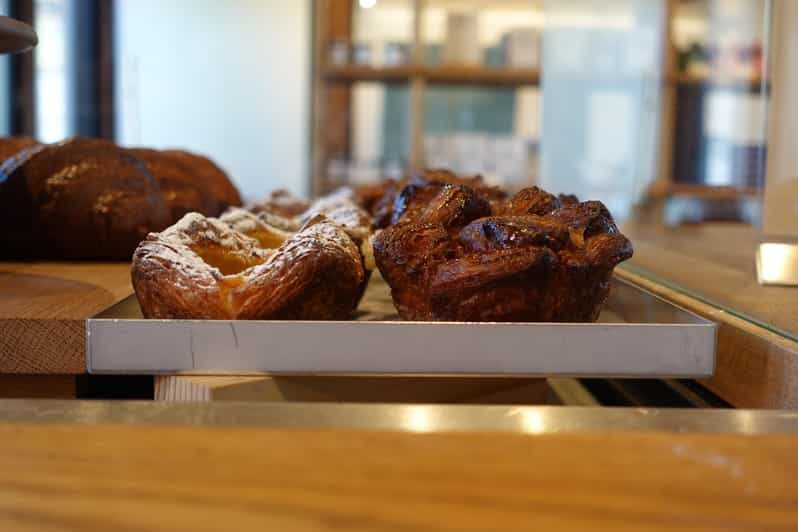
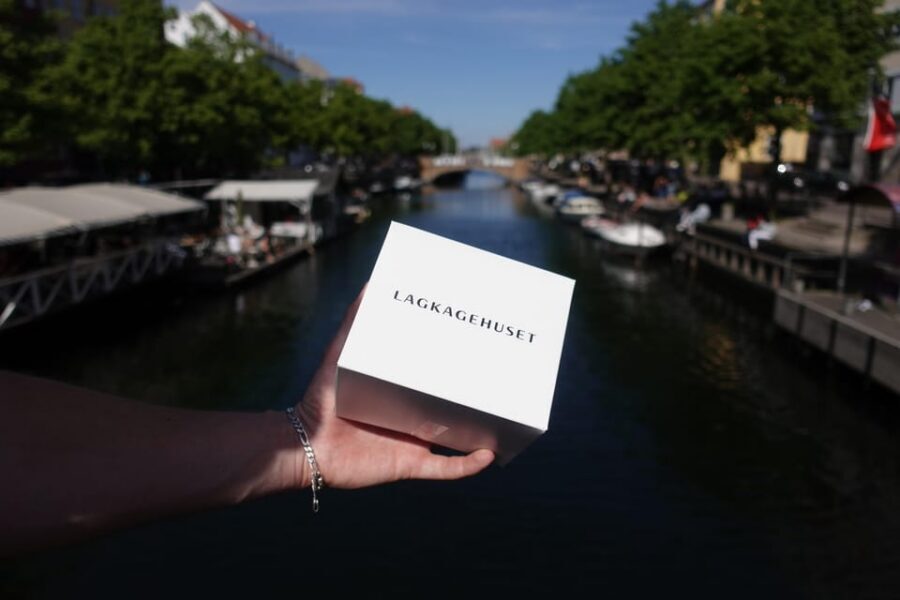
You meet your guide outside Lagkagehuset Bakery. That’s helpful because it’s an easy anchor point, and it sets you up for what’s ahead: a route built around walking between top Danish pastry spots.
The total walking distance is about 5 kilometers (3 miles) across the full 2 hours. Reviews mention that even on cold days it’s manageable, but it still adds up. Wear shoes you’re comfortable walking in for a solid chunk of time, and dress warm enough that you can taste pastry without feeling miserable.
If you’re the type who likes frequent breaks, this is still usually fine. The tastings themselves act like mini pauses, so the walk doesn’t feel like nonstop exercise.
What you’ll taste: Wienerbrød, Tebirkes, Hindbærsnitter, Kringle
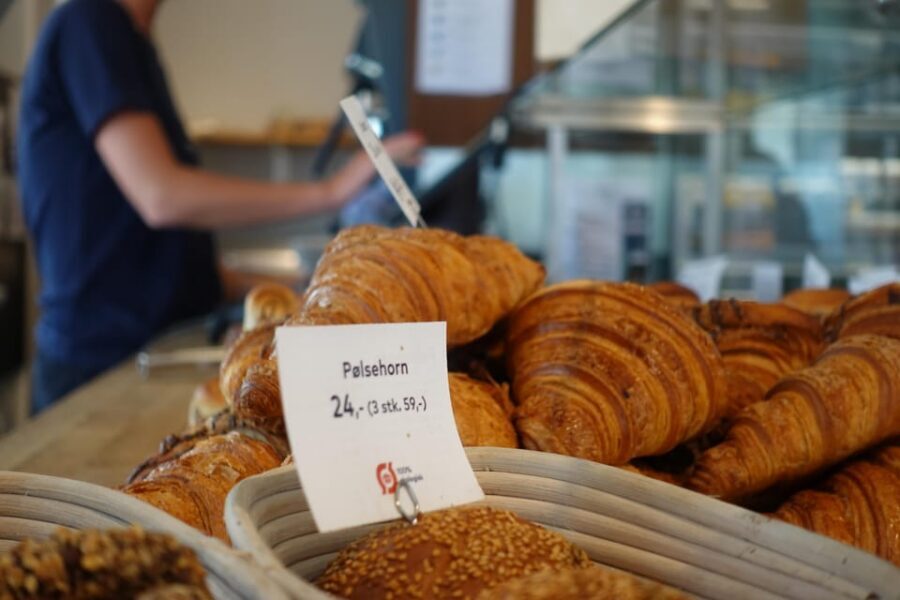
This tour is built around Danish pastry signatures. The highlights explicitly include Wienerbrød, Tebirkes, and Hindbærsnitter, plus Kringle (a puff-style pastry).
Here’s how to think about each one so you taste with intention, not just hunger:
Wienerbrød: the laminated layering test
Wienerbrød is the multilayered, laminated sweet pastry that makes Danish baking famous. When it’s done right, you’ll get crisp edges, tender layers, and that satisfying buttery snap as you break it open.
This pastry is a great “anchor bite.” If Wienerbrød impresses you, you’ll probably enjoy the rest of the tour more because you’ll start recognizing good lamination and balance.
Tebirkes: savory-leaning, seed-topped comfort
Tebirkes are smaller, often seed-studded pastries with a distinct flavor that feels Danish in a way croissants don’t. They’re sweet, but not just sugar-heavy; the seeds and dough give it depth.
If you find super-sweet desserts tiring, Tebirkes are often the relief bite.
Other Danish pastry tours we've reviewed in Copenhagen
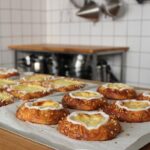

Hindbærsnitter: jammy raspberry bar energy
Hindbærsnitter are raspberry bars—sweet, fruity, and built around texture. You’ll usually get a layered pastry base with a raspberry filling that tastes bright and slightly tangy.
This is the bite that often reminds people why they love Danish baking: the flavors are clear, not overly complicated.
Kringle: puff pastry with shape and presence
Kringle shows up as a puff-pastry style treat. The key thing to taste is the structure: lightness plus a crisp, flaky feel.
It’s a good palate reset between the more jam-forward and laminated pastries.
The five bakery stops: what changes from place to place
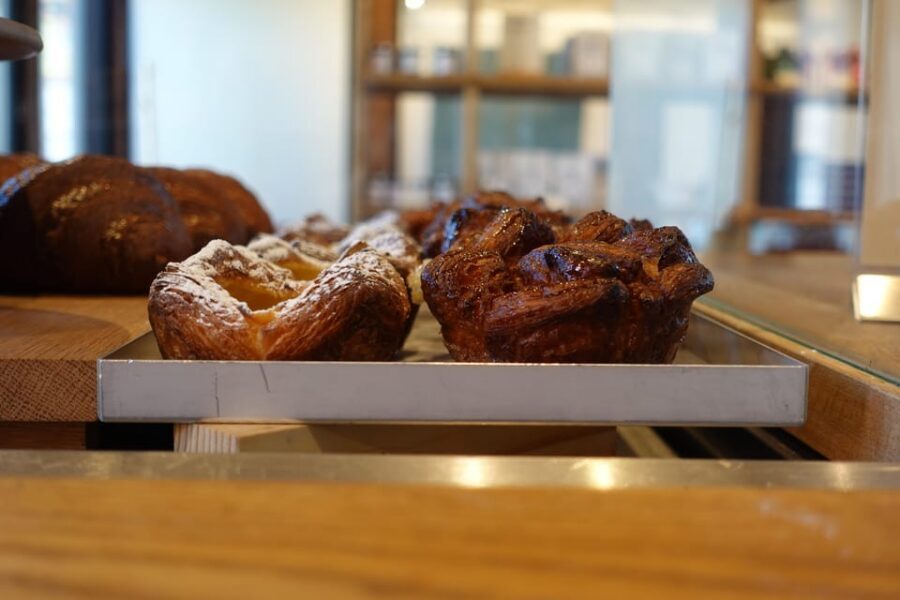
I can’t promise the exact order of every stop or which bakery served which item, because the tour rotates through different top-rated Danish pastry makers. But I can tell you what each kind of stop is designed to do: give you a different style so you can understand Danish pastry as a whole.
Stop 1: first bite, first clue about quality
Your first bakery sets the tone. If it smells like freshly baked butter and caramelized edges, you’re in the right place. You’ll also get an immediate sense of portion size—most guests end up doing the math that sharing is easy, especially if you’re not trying to eat all five servings solo.
A good guide will point out what to notice in the pastry texture right away. Look for clean layers (for laminated items) or flaky surface cracks (for puff-style items).
Stop 2: a seed-topped or savory-leaning pastry moment
One stop in the route typically covers Tebirkes. This is where the tour helps you go beyond the “dessert only” mindset. You’re tasting how Danish pastry can be sweet without feeling like candy.
Practical tip: slow down for this one. Seeds and dough texture matter, and they’re easier to catch when you’re not rushing.
Stop 3: the laminated or puff-structure stop
Another stop centers on pastry craft—either another version of Wienerbrød or a puffier style like Kringle. This is the moment where you’ll start noticing differences between bakeries: how crisp the layers feel, how the filling is balanced, and whether the pastry holds together when you bite.
If you’re the kind of person who photographs food, this is also where your phone will get its best shot—textures show clearly here.
Stop 4: fruit-forward Hindbærsnitter stop
Hindbærsnitter is the fruity reset. Raspberry filling can go from pleasant to overwhelming depending on sweetness level, so tasting it mid-tour is smart. It keeps the tour from turning into a nonstop sugar wave.
If you love fruit desserts, this stop is likely your favorite. If you prefer chocolate or caramel, it may still win you over because the raspberry flavor is so specific.
Stop 5: the finish bite (and why sharing helps)
The final stop often surprises people. By then, you’ve learned what’s “good” in at least two pastry categories, so your brain is better at picking up differences.
Reviews also mention that by the last bakery, some people are glad they shared halves. That’s normal. Five tastings in two hours is a lot—just not unmanageable if you pace yourself.
The Copenhagen story part: what the guide brings to the walk
This is not a silent food crawl. The guide brings Copenhagen context throughout the route, and that’s a big reason the tour gets such strong ratings.
In recent groups, guides such as Theo, Noah, Simon, Emily, Linea/Linnea, and Lysander have been praised for mixing pastry history with real city pointers. That includes practical suggestions like where to go next, plus local traditions you can use while sightseeing.
You’ll also benefit from the “walk + talk” rhythm. You’re moving between neighborhoods, so the stories feel grounded instead of abstract. One review even described the tour as part pastry tasting, part city history tour—which matches what this feels like on the street.
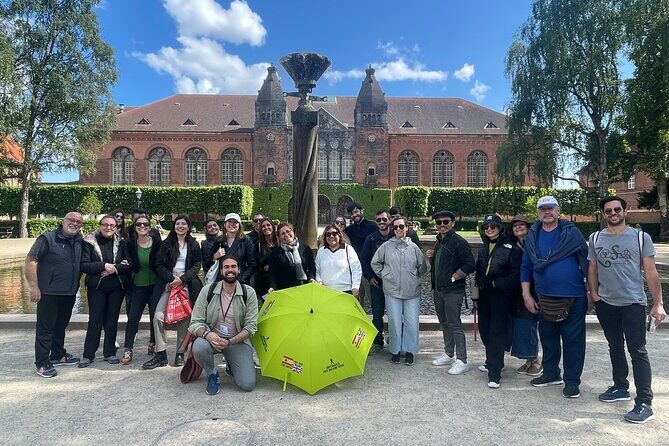
If you like asking questions, small group size helps. With fewer than 10 people, it’s easier to get a real answer instead of a rushed one.
Timing, cold weather, and how not to get dessert overload
You’re on the move for about 2 hours, walking roughly 5 kilometers total. That’s a comfortable time window for most visitors—long enough to feel like you actually saw parts of Copenhagen, short enough that you won’t lose half your day.
The main consideration is the food. With tastings at five bakeries, you may worry it’s too much. The good news: reviews mention that guests often share halves and still find it completely satisfying. Think of it like guided sampling, not a forced dessert feast.
In cold weather, plan for it. Reviews specifically note that chilly days are still manageable. That means: wear layers, bring gloves if you run cold, and don’t assume you can just wear a light jacket and power through.
Value check: why $74 feels fair for what you get
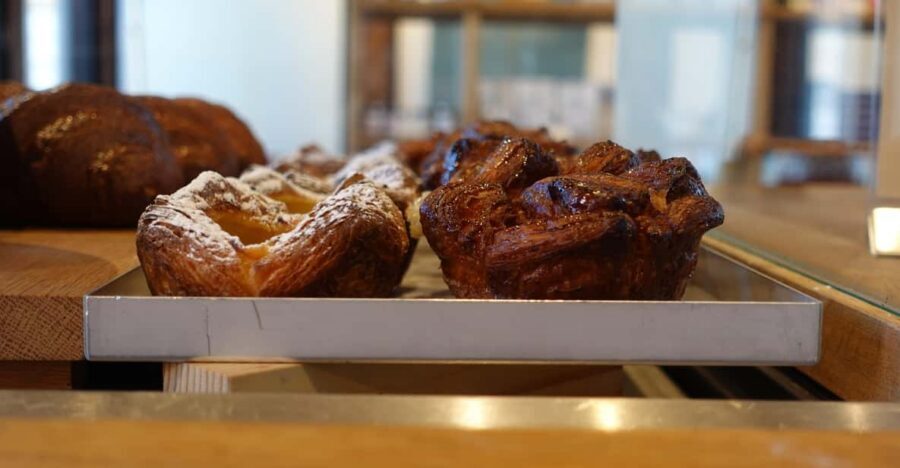
At $74 per person for a 2-hour guided walk that includes stops at five bakeries plus a tasting at each, the value comes from three things.
First, you’re paying for the guide. You get history and craft context tied to what’s on your plate, and you also get Copenhagen tips for after the tour.
Second, you’re paying for variety. Eating your way through five different pastry types on your own would likely cost you more, and it would be harder to compare quality without guidance.
Third, the group stays small (up to 10). That matters because it keeps the tour interactive. People mentioned that guides were friendly and generous with answers, and that kind of atmosphere is hard to get in large groups.
Finally, the satisfaction signal is strong: the experience sits at 4.8 with 414 reviews. When a food tour stays that consistent, it usually means people felt they got what they came for.
How to get the most out of it (without overthinking)
This is the part where you can make the tour taste better, even if you’re not a pastry expert.
- Come hungry, not starving. You want to enjoy the first bite instead of forcing it.
- Consider sharing halves if you know you don’t love lots of sweets. Reviews repeatedly suggest it helps.
- Plan for coffee. One review notes there’s an option to purchase coffee as you go, so your guide may steer you toward a good pause.
- Ask what to notice. When guides explain what makes Wienerbrød laminated or what changes in puff pastry, your tasting gets sharper.
If you’re someone who likes structure, this tour gives it: meeting point, fixed time, and a clear food path.
Who should book this Danish pastry tour?
Book it if you want:
- A first-time Copenhagen food experience that also teaches you how the city works
- A guided way to try more than one Danish classic without guessing
- A short morning or afternoon activity that still feels like a real outing
You might skip it if:
- You dislike walking around town or you want a low-effort activity
- Five pastry tastings in two hours sounds like too much sweetness for you
Should you book this Danish Pastry Tour in Copenhagen?
Yes, if your idea of a great trip includes both food and street-level context. This tour is a smart use of time: 2 hours, five bakery stops, and a guide who connects what you eat with why Denmark bakes the way it does.
The strongest reason to book is simple: you’re not just collecting pastries. You’re learning how to taste Danish baking—flaky layers, jam balance, seed flavors, and the structure behind Kringle and Wienerbrød. If you dress for the weather and keep an eye on portions, it’s the kind of Copenhagen experience you’ll remember long after the last raspberry bar is gone.
FAQ
Where is the meeting point?
Meet your guide outside Lagkagehuset Bakery.
How long is the tour?
The tour lasts 2 hours.
How far do we walk?
The total walking distance is approximately 5 kilometers (3 miles).
How many bakeries are visited?
You visit 5 bakeries.
What pastries are included?
The tour highlights Wienerbrød, Tebirkes, Hindbærsnitter, and Kringle, with sampling of a Danish pastry at each bakery.
Is the tour guide English-speaking?
Yes, the live tour guide is English.
What group size should I expect?
It’s a small group, limited to 10 participants.
What is the cancellation policy?
You can cancel up to 24 hours in advance for a full refund.
Can I pay later?
Yes, there is a reserve now & pay later option so you can book your spot and pay nothing today.