REVIEW · COPENHAGEN
Copenhagen: Danish Pastry Crawl with Private Guide
Book on GetYourGuide →Operated by Delicious Denmark · Bookable on GetYourGuide
Copenhagen and pastry go together because the city treats baking like art. This private Danish pastry crawl in Østerbro pairs quick local history with serious bites, including New Nordic favorites and a famous cardamom bun tied to NOMA alum Emil Glaser. I love the way the stops are planned for walking pace and flavor variety, and I love that you get award-winning coffee at the Prolog roastery along the way.
One heads-up: this is not a gentle, sit-down food tour. You’ll walk about 2.1 km, and some bakeries won’t work well for lactose-free, gluten-free, vegan, or nut-allergy diets (and a few stops may be hard for some wheelchair users).
In This Review
- Key things you’ll notice on this Danish pastry walk
- Østerbro streets start fast: Trianglen to Parken Stadium area
- Why Danish pastry here feels different: roots plus New Nordic baking
- The 150-minute flow: your stop-by-stop plan
- 1) Trianglen Metro: the quick setup before you start tasting
- 2) Olufsvej photo stop: see the neighborhood before the carbs
- 3) Bakery #1: first tasting, first lesson
- 4) Bakery #2 and Bakery #3: more variety, more texture to notice
- 5) Bopa Plads photo stop: a break between bites
- 6) Café/coffee tasting: award-winning Prolog coffee
- 7) Finish at Nordhavn Metro Station
- Coffee at Prolog: more than a caffeine stop
- Private guide value: faster learning and better choices
- Price and portions: is $102 a good deal?
- Who this tour suits best (and who should skip it)
- Quick logistics you should care about
- Should you book this Copenhagen Danish pastry crawl?
- FAQ
- Where is the tour starting point?
- How long is the Copenhagen pastry crawl?
- How far do you walk during the experience?
- What is included in the price?
- Is the tour wheelchair accessible?
- Is the tour suitable for vegans or people with gluten intolerance?
Key things you’ll notice on this Danish pastry walk
- Østerbro’s pastry scene: Leafy streets, local villas, and real bakery traffic instead of tourist traps
- Trianglen to Nordhavn route: A walk that starts by Parken Stadium and ends near Nordhavn Metro
- Award-winning coffee at Prolog: You’re not just drinking coffee, you’re tasting the roaster’s style
- New Nordic Food movement in real life: You’ll hear how modern Denmark shaped the pastries you’re eating
- Named-bun moment: The Emil Glaser cardamom bun connection (the Billions finale detail is a fun one)
- Private guide storytelling: Guides like Gitte/Gita/Brigitte are described as funny, friendly, and strong on local context
Østerbro streets start fast: Trianglen to Parken Stadium area
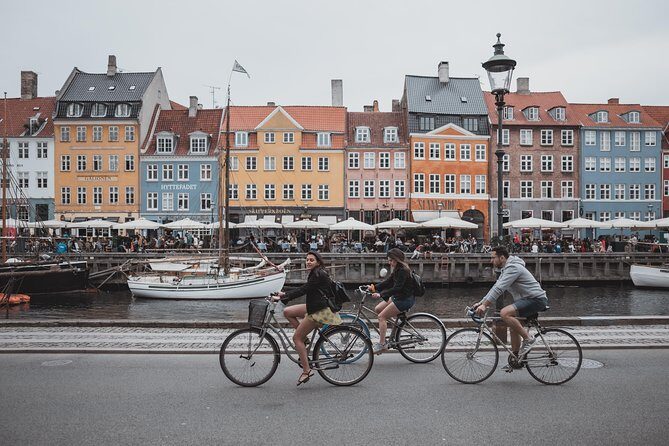
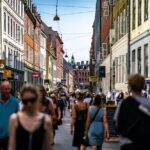
Your tour meets outside Trianglen Metro Station. That spot is handy because it’s easy to reach, and it puts you near Parken Stadium—a recognizable landmark right away. From the first steps, you’ll be in a more residential part of Copenhagen. This matters because you’re not bouncing around the big “must-see” core. Instead, you’re seeing the kind of neighborhood many locals actually wander through on a Sunday morning.
The walk is short enough to stay fun (about 2.1 km total), but the experience is designed around moving between food stops, not lingering at viewpoints. Bring water, take your photos when the guide points them out, and don’t plan another major activity right before or right after. You’ll want a little breathing room.
Other Danish pastry tours we've reviewed in Copenhagen

Why Danish pastry here feels different: roots plus New Nordic baking
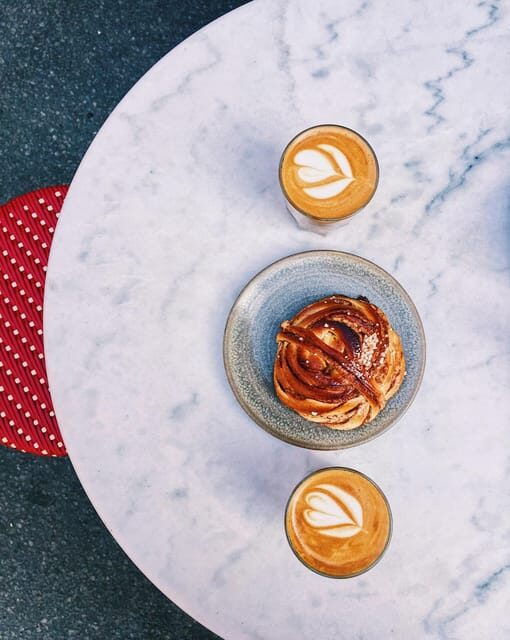
This tour isn’t only about which pastry is best. It’s about why Danish baking became Danish—and why it looks the way it does today. You’ll hear the historic roots behind the classic Danish pastry, then connect it to how the New Nordic Food movement influenced modern Danish baking.
In plain terms: Copenhagen pastry has two faces. One is tradition—buttery doughs, clever fillings, and a pastry culture that treats breakfast as a real meal. The other face is modern—lighter sensibilities, Nordic ingredients, and bakers who care about technique and balance. When you taste several pastries back-to-back, you start noticing the differences fast: texture, sweetness level, spice choices, and how fillings behave once the pastry cools.
This is also where a private guide helps. You can ask questions like why cardamom shows up so often, or how a bakery thinks about flavor the way a restaurant might. If your guide is Gitte, Gita, or Brigitte (names that show up with strong praise), expect conversation that mixes food details with neighborhood and city context, not just a list of pastries.
The 150-minute flow: your stop-by-stop plan
The tour runs about 150 minutes. It’s built around multiple “arrive, taste, learn, move on” moments. You’ll hit a few short photo stops, then spend most of your time with tastings—enough to feel generous, not enough to turn into a sugar nap.
Here’s how the pacing works and what you should watch for:
1) Trianglen Metro: the quick setup before you start tasting
After meeting outside Trianglen Metro, you get oriented on the neighborhood vibe and what you’ll be eating. This is a small thing, but it changes how the whole tour feels. You’ll know what the guide is aiming for: variety, technique, and the local coffee stop.
Practical tip: come hungry, but don’t go full vacuum mode unless you love sweet-heavy mornings.
2) Olufsvej photo stop: see the neighborhood before the carbs
You’ll walk for about 10 minutes, then get a photo stop on Olufsvej. This part sounds minor, but it helps you “place” what you’re about to taste. Østerbro has a distinct feel—leafier and more elegant than the most obvious central tourist lanes. When you take a photo here, you’re also training your eye to notice the architecture and street rhythm the guide talks about later.
Other guided tours in Copenhagen

3) Bakery #1: first tasting, first lesson
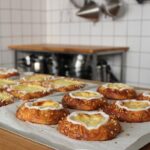
Next comes a local bakery tasting. Expect a small selection—typically part of the total 3–4 Danish pastries you’ll get on the tour. This first stop is where you’ll start detecting the guide’s logic: how the pastry choices connect to Danish baking traditions and modern trends.
One thing I like about this structure: you’re not “committed” to a whole bakery visit where you might feel obligated to keep eating. Each tasting is short, and you get to compare tastes over the full walk.
4) Bakery #2 and Bakery #3: more variety, more texture to notice
After another walk segment, you hit a second bakery tasting (about 15 minutes), then a third bakery tasting (also about 15 minutes). These stops are where the New Nordic angle really becomes visible.
Look for differences you can taste immediately:
- pastry layers and flakiness (or softness)
- how the filling stays flavorful without becoming too sweet
- whether spice shows up gently or takes the lead
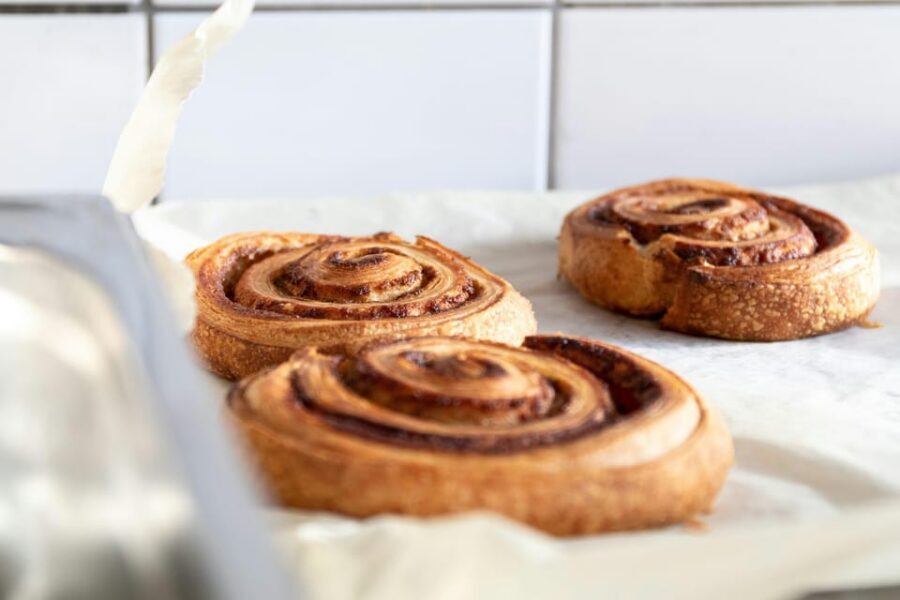
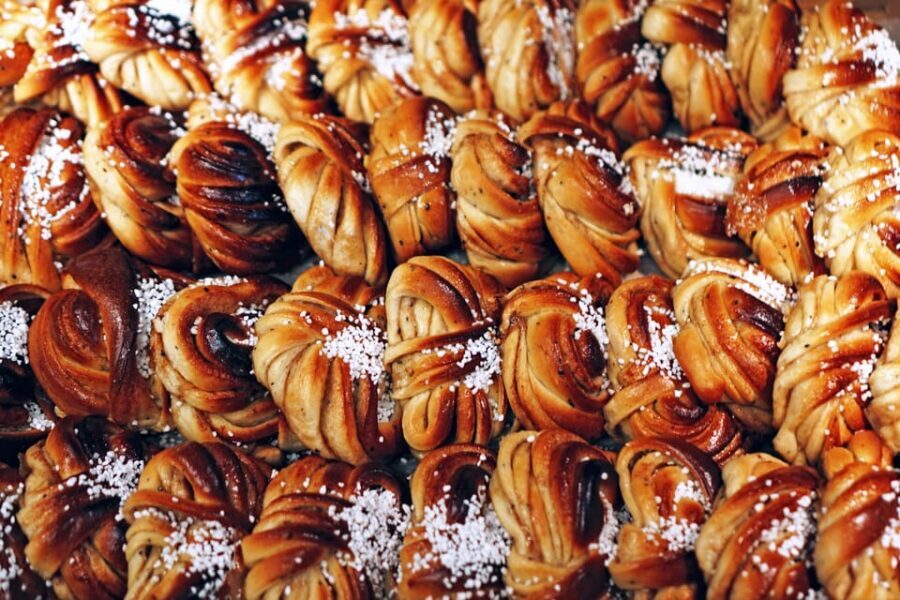
And if you’re a cardamom fan, this tour has a specific talking point. You’ll hear about the Emil Glaser cardamom bun, described as game-changing and tied to a pop-culture moment (the Billions finale mention). Even if you don’t end up loving every single pastry equally, these points help you understand why certain pastries have achieved a cult reputation.
5) Bopa Plads photo stop: a break between bites
Then you walk to Bopa Plads for another photo stop. It’s a natural reset. Your body appreciates the movement, and your brain gets a breather before the coffee stop. Think of it as the pause that makes the last tasting feel like a finish, not a final scramble.
6) Café/coffee tasting: award-winning Prolog coffee
The itinerary includes a local café coffee tasting (about 15 minutes). The big name here is Prolog, an award-winning boutique roastery. You’re tasting coffee with intent, not just grabbing a quick drink. It also matters because coffee changes how you perceive pastry. A good brew can cut richness and help you notice pastry flavors you might otherwise miss.
If you’re the type who usually drinks plain black coffee, you’ll still get value. And if you usually take sugar or milk, you can still learn something by comparing what the coffee does to sweetness.
7) Finish at Nordhavn Metro Station
The walk ends around Nordhavn Metro Station. That’s convenient because you can get out fast and keep moving. The route gives you a Copenhagen feel without asking you to hike all over the city.
Coffee at Prolog: more than a caffeine stop
This is one of the tour’s smarter choices. Many pastry crawls treat coffee as an afterthought. Here, the coffee is tied to an actual specialty roaster—Prolog—and you’re given time to taste it during the walk.
Why that matters for you: Danish pastry tends to be buttery and often rich. If your coffee is flat or overly acidic, the pastry can feel heavy. With a well-roasted cup, you get better contrast, which makes the second and third pastries easier to enjoy.
Also, the guide usually frames coffee culture as part of the broader neighborhood story—so the coffee stop feels like context, not a break from the main event.
Private guide value: faster learning and better choices
A group walking tour can be fun. But a private guide changes the whole vibe. You’re not waiting for a crowd. You can ask questions that matter to you, and the guide can adjust pace based on how quickly you eat and how curious you are about details like ingredients, technique, or neighborhood history.
From the tour style and the guide names associated with top marks, there’s a clear pattern: the guide does more than recite facts. They tell stories, they connect pastry to Danish food trends, and they help you understand why Østerbro’s bakery scene got so good.
And that last part matters if this is your first morning in Copenhagen. You’ll often leave with more than pastry knowledge—you’ll get practical pointers for the rest of your day, like where to wander next and what kind of food scene fits your interests.
Price and portions: is $102 a good deal?
At $102 per person for 150 minutes, you’re paying for four things at once:
1) a private English-speaking (plus several other languages) guide
2) a planned walking route through Østerbro
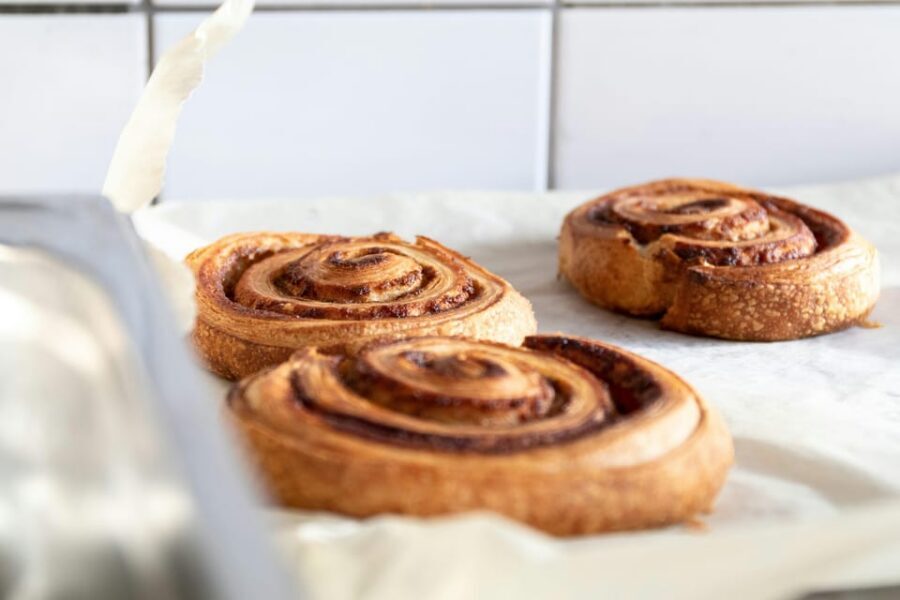
3) 3–4 Danish pastries
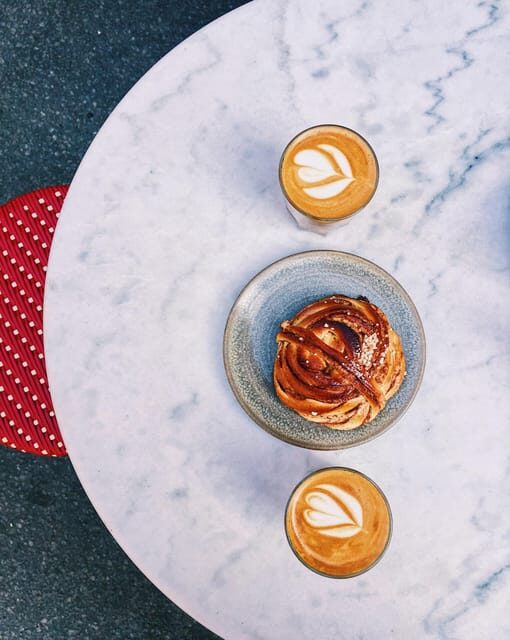
4) 1 cup of coffee
That can be good value if you want a structured tasting experience where you don’t have to research bakeries yourself. If you tried to DIY this, you could spend the same money or more just on pastries and coffee, but without the “why this pastry, why this bakery, why this neighborhood” context.
Portion-wise, it’s not a full pastry feast. It’s a curated set of tastes. If you come hungry, you’ll feel satisfied. If you come overfed, you’ll still enjoy the walk, but the last tasting might feel like extra work.
Practical planning tip: if you’re doing this in the morning, keep breakfast light. One common piece of advice from people who loved the tour is to not show up stuffed.
Also consider bringing a small tote bag. If you buy or want leftovers later, having a way to carry them makes the whole day easier.
Who this tour suits best (and who should skip it)
This works best if you:
- love Danish pastry and want to compare multiple styles back-to-back
- enjoy walking and don’t need long sit-down meals
- like food history and neighborhood context, not just eating
It’s less ideal if you:
- need vegan options (this tour is not suitable for vegans)
- are gluten intolerant
- avoid lactose
- have nut allergies
- have low fitness for a walking-focused itinerary
- need full wheelchair access inside every bakery (the route is suitable for wheelchair use, but some bakeries may not be wheelchair accessible)
The tour includes wheelchair accessibility in the sense that the terrain is suitable for wheelchair use, but “suitable” doesn’t mean every stop is perfectly easy. If mobility is a concern, I’d think about how long you’re comfortable transferring and standing near bakery entrances.
Quick logistics you should care about
The tour is walking-only. You won’t be using transportation during it. So you’ll want comfortable shoes and a small plan for where you’ll go right after you finish.
Also, you start at Trianglen Metro and finish at Nordhavn Metro. That shape is helpful if you’re hopping to another part of the city afterward without backtracking.
Languages include English, German, Danish, Swedish, and French, so you’re likely to find a guide who can match your comfort level.
Bring water. It’s a simple line, but it matters, especially if you’re tasting repeatedly.
Should you book this Copenhagen Danish pastry crawl?
Yes, if you want a morning or early-day activity that feels local, not staged. This tour hits the sweet spot: multiple bakery tastings, a real coffee-roaster stop, and enough local explanation to make you smarter about what you’re eating.
I’d skip it or choose another option if your diet needs are strict (vegan, gluten intolerance, lactose intolerance, nut allergies). I’d also reconsider if you don’t like walking or you know you’ll struggle with entrances at older bakeries.
If your travel style is part food, part city character, this is an easy “go for it” choice. It’s short enough to fit into your trip, and the private guide format means you get more than a checklist. You get context, pacing, and tastings you can actually compare—street by street in Østerbro.
FAQ
Where is the tour starting point?
You meet outside Trianglen Metro Station.
How long is the Copenhagen pastry crawl?
The tour lasts about 150 minutes.
How far do you walk during the experience?
The total walking distance is about 2.1 km, and the terrain is suitable for wheelchair use.
What is included in the price?
It includes 3–4 Danish pastries, 1 cup of coffee, and a private guide.
Is the tour wheelchair accessible?
The tour is suitable for wheelchair use based on terrain, but some bakeries are not wheelchair accessible, so not every stop may be easy.
Is the tour suitable for vegans or people with gluten intolerance?
No. It is not suitable for vegans and it’s also listed as not suitable for people with gluten intolerance, lactose intolerance, or nut allergies.