REVIEW · COPENHAGEN
Full Day Private Walking Tour in Copenhagen
Book on Viator →Operated by Copenhague Que Ver · Bookable on Viator
Copenhagen’s stories are best on foot. This full-day private walking tour strings together royal highlights and water-based transport with a historian guide, so the city feels lived-in instead of like a checklist. I especially like how the route mixes big-name sights with quiet corners where Denmark’s daily rhythm shows through.
The one real catch is weather. In autumn and winter you’ll want warm clothes for wind and rain, plus comfortable shoes, because you’re outside most of the day.
In This Review
- Key things to know before you go
- How a 7-hour private walk turns Copenhagen into a story
- From Central Station to the first wow moment at Tivoli Gardens
- Copenhagen City Hall: why restorations matter
- Christiansborg Palace back area and Parliament vibes
- The Royal Library and the Black Diamond area (plus Kierkegaard context)
- Ferry and harbor bus to the Little Mermaid stop
- Gefion Fountain break, coffee, and the walk toward Kastellet
- Amalienborg Palace Museum: royals close enough to feel real
- Church of Our Lady (Copenhagen Cathedral): living roles, not just architecture
- Kongens Nytorv to Nyhavn: Denmark’s canal postcard, explained
- Rosenborg Castle and gardens: a strong ending leg
- Optional Round Tower and Copenhagen Central Market
- Price and what you’re actually getting for $139.37
- Weather and comfort tips that keep the day fun
- Guide quality can make or break a day
- Who this private Copenhagen walk suits best
- Should you book this full-day Copenhagen walking tour?
- FAQ
- How long is the private walking tour in Copenhagen?
- What time does the tour start?
- Where do we meet the guide?
- Where does the tour end?
- Is boat transport included?
- What is included in the tour price?
- Are museum tickets and Tivoli admission included?
- What should I bring for the walk?
- Is this a private tour?
- Is there anything about weather to consider?
Key things to know before you go
- Historian-led pacing: You get guided context at each stop, not just photos and directions.
- Boat transport included: You’ll ride water transport as part of the route, which also helps you cover ground.
- City Hall and Christiansborg Palace areas: You’ll learn how power works in Copenhagen, from civic functions to Denmark’s Parliament setting.
- Library and Black Diamond area: The walk ties literature, architecture, and city design together around the water.
- Nyhavn and canal-side storytelling: You get Kongens Nytorv square context and then head to Nyhavn.
- Optional add-ons if time allows: Rundetårn (Round Tower) and the Central Market are available depending on your pace.
How a 7-hour private walk turns Copenhagen into a story
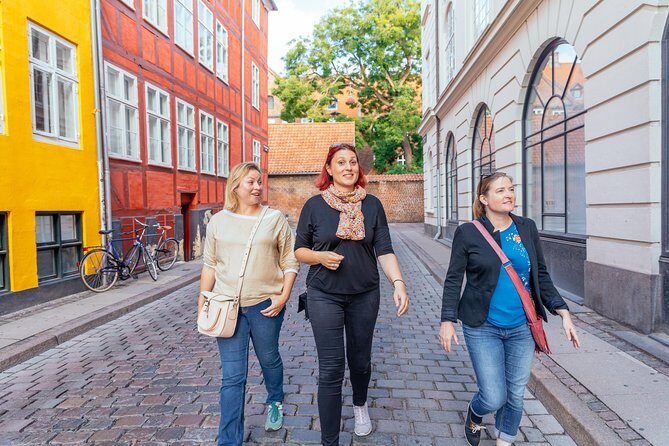
This tour is built for people who want Copenhagen to make sense fast. You meet at Copenhagen Central Train Station (Ingerslevsgade) and spend about 7 hours walking with a historian guide, with planned breaks and several spots to eat. Because it’s private, you’re not stuck with the slowest person in a group or forced along with the fastest. You can ask questions, pause for photos, and generally keep things at human speed.
What makes this feel different from a typical highlights tour is the balance. You’ll see the obvious sights people come for, but the guide’s job is to connect them to how Copenhagen actually functions. That can mean explaining why certain buildings were restored, what roles churches play in Denmark today, and how palaces and government buildings fit into everyday city life.
One more practical perk: the route uses public transit elements and water legs (ferry/harbor bus). That matters because Copenhagen’s charm is partly about how places relate to water. When you get that angle, the city clicks faster.
Other walking tours we've reviewed in Copenhagen

From Central Station to the first wow moment at Tivoli Gardens
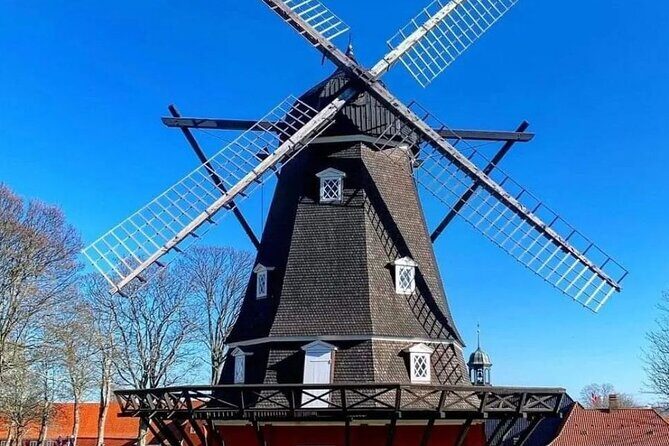
You start at 9:00 am at Central Station. It’s a smart meeting spot because it’s easy to find and it places you right in the center of where most walking routes begin. The day’s rhythm is set up around steady movement with short breaks, so you’re not just sprinting from one landmark to another.
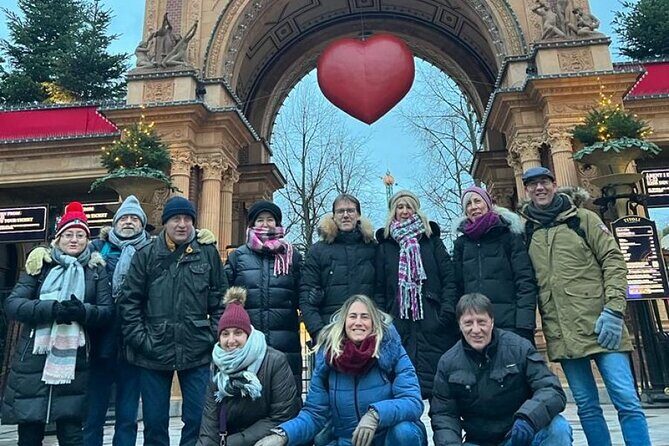
The first stop is Tivoli Gardens. You’ll head from Central Station toward Tivoli, passing points of interest along the way, then arrive near the central entrance. Here’s the practical detail: Tivoli admission tickets are not included, so you’ll mainly experience it from the outside/approach unless you choose to buy entry separately. Still, the setup is useful. Tivoli gives you that “Copenhagen has fun built in” feeling early, and it’s a good way to shift from travel mode into city mode.
If you’re visiting in colder months, Tivoli can be a bit of a wind tunnel near the main approaches. Dress for walking outside, not for standing still.
Copenhagen City Hall: why restorations matter
Next you move to Copenhagen City Hall, with about 25 minutes at the stop. This is a “look closer” kind of place. You won’t just skim the outside. The guide explains different functions of the City Hall, its history, how it has been restored over time, and what to notice both inside and outside.
This stop works well on a private tour because the City Hall area is easy to underestimate. From street level it’s just another landmark, but with context you start seeing how civic buildings are part of national identity. It’s also a great moment to pause and reset before the next royal-government shift.
City Hall entry is listed as free, so there’s less friction if you want to step in and see more than the façade.
Christiansborg Palace back area and Parliament vibes
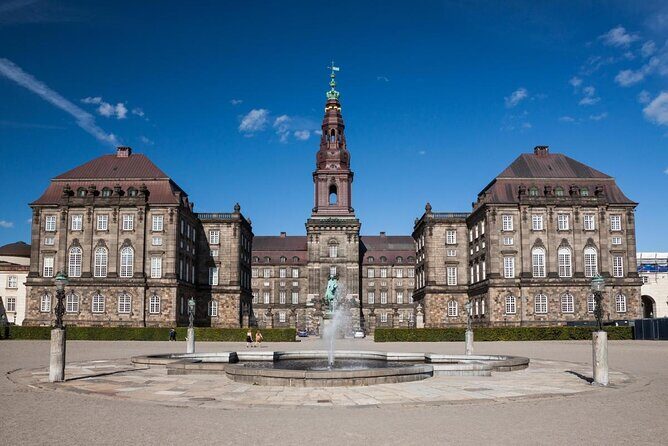
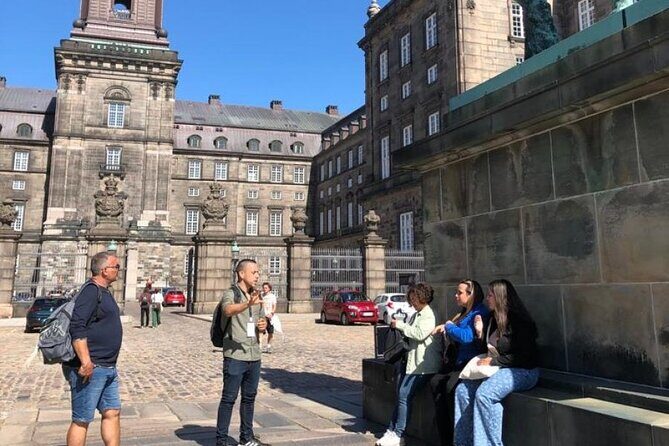
After City Hall, you visit Christiansborg Slot, focusing on the back of the palace, which today is connected to Denmark’s Parliament. The scheduled time is around 30 minutes.
This is one of those Copenhagen contrasts: palaces and government are not separated into different worlds here. You’re walking from civic administration into a royal-civic space that still serves modern functions. That’s a big reason this type of guided route works. Without context, it’s easy to view these places as museum pieces only. With context, you notice the city’s continuity.
Christiansborg admission isn’t included on this tour, so whether you go fully inside or focus on the areas you’re allowed to access will depend on what you choose at the moment.
The Royal Library and the Black Diamond area (plus Kierkegaard context)
The route then shifts toward the Royal Library and the library’s adjacent patio area (often referred to as a letters/word-themed patio space). You’ll also see the Søren Kierkegaard statue area at Bibliotekshaven, with around 30 minutes here.
This stop is less about one single photo and more about a mood. Libraries are built for quiet thinking, and in Copenhagen the architecture around them makes it feel like you’re walking through ideas. On a private tour, you’ll likely get little teaching moments about why this area is arranged the way it is and how it connects to the city’s intellectual identity.
Then you move to the Black Diamond. The time estimate includes about 30 minutes, and from here you’re set up for an important transport moment.
Kierkegaard is one of Denmark’s cultural anchors, so even if philosophy isn’t your thing, seeing how the city references him in public space is memorable.
Other private tours in Copenhagen



Ferry and harbor bus to the Little Mermaid stop
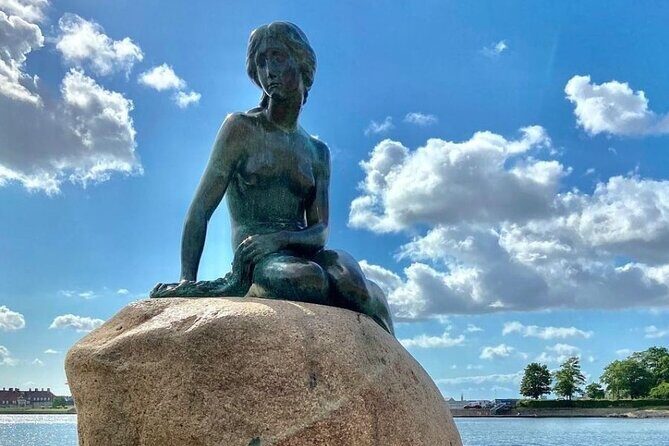
This is where the tour turns scenic in a practical way. From the Black Diamond area, you take a ferry/harbor transport leg to the area near the Little Mermaid. The schedule calls for about 45 minutes, and this transport portion is listed as included.
Why this matters: the Little Mermaid area is more complicated than it looks from the main viewpoints. Coming by water transport helps you understand the harbor edges and the way Copenhagen faces outward to the water. It also breaks up the walking so you’re not just grinding miles in a straight line.
Along the way, you’ll connect the story of the area with a nearby water feature: Gefion Fountain is part of this segment, and it’s also where you’ll pause for a break.
Gefion Fountain break, coffee, and the walk toward Kastellet
After arriving at the Gefion Fountain area, you’ll get about 15 minutes there. This is a short breather stop built into the flow. The tour notes that you can grab coffee or a typical Danish meal at street food while you walk toward the Little Mermaid area, but meals aren’t included in the tour price.
Then comes a fun transition: as you approach the Little Mermaid, the guide explains Kastellet Fortress on the way down. Even with limited time at the famous statue, that kind of contextual detour makes your photos feel more meaningful. You start noticing why the shoreline looks the way it does and how fortifications shaped the city’s relationship with water.
The Little Mermaid stop is listed as a free stop on the plan, so you’re paying for the guidance and timing, not an entry ticket.
Amalienborg Palace Museum: royals close enough to feel real
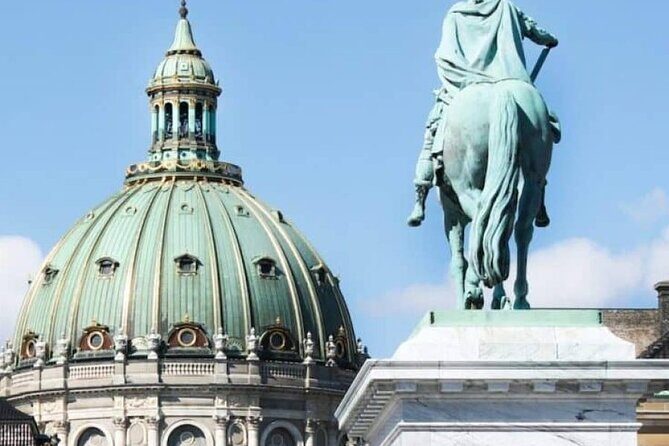
Next you head to Amalienborg Palace Museum, around 30 minutes. The tour positions Amalienborg as the royal palace square area, and the guide mentions there can be a surprise if you arrive at the right time.
That’s the key idea to take into this stop: you’re not only visiting a building. You’re being placed in the environment where royal Copenhagen shows itself in public rhythm. It’s one of the places where the city feels performative, but still grounded in reality.
Museum admission isn’t included here, so you’ll want to decide on the spot how much indoor time you want versus how much you prefer to watch the square.
If you like your history with posture and pageantry, this is a good match.
Church of Our Lady (Copenhagen Cathedral): living roles, not just architecture
Then it’s into Church of Our Lady (Copenhagen Cathedral). You’ll spend about 30 minutes inside, and this stop includes guidance on the church’s history, style, and why it’s important to Copenhagen. Even more practical is what the guide is meant to cover: what churches in Denmark do today.
That “today” part can change how you experience churches. If you only think of them as old buildings, you miss the point that religious spaces still carry community functions. When someone explains that clearly, you see more than stone.
Admission isn’t listed as included for this stop, so plan on learning and viewing based on what you can access during your time window.
Kongens Nytorv to Nyhavn: Denmark’s canal postcard, explained
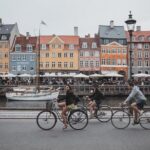
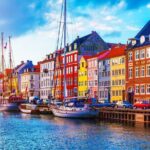
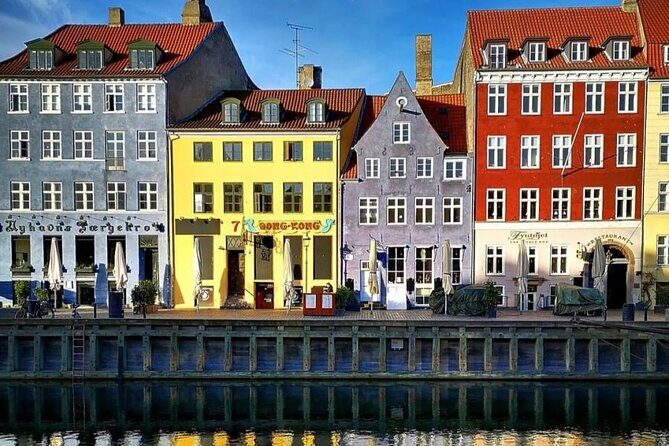
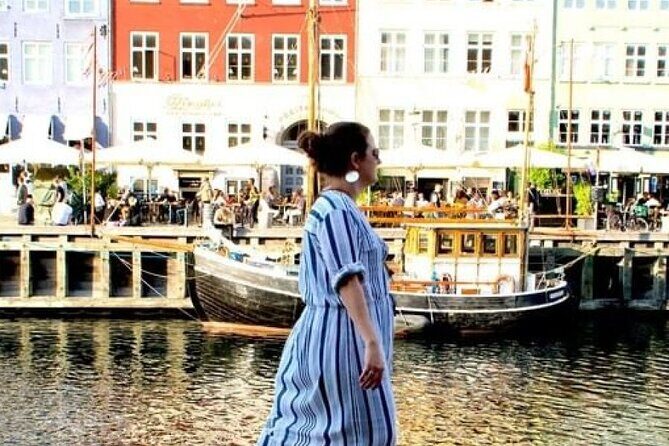
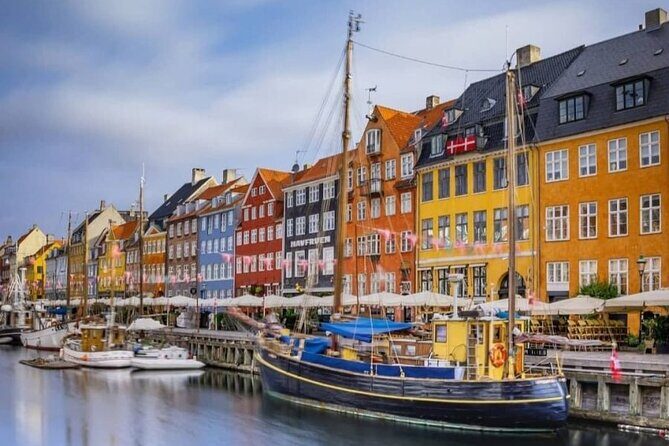
After the cathedral, the tour stops at Kongens Nytorv Square (around 30 minutes) for story context and then heads to Nyhavn, the famous canal. Nyhavn is a big highlight because it’s Copenhagen’s most recognizable waterfront street scene.
What’s valuable on a private guided walk is not the canal itself (you can read that in any travel guide), but the “why” you pick up while you’re there. With a guide, the square story and the canal story connect into one line, so you understand how the city’s layout and waterfront culture became what it is.
Nyhavn stop time is about 30 minutes, and the canal-side segment is listed as free. That means your cost is going into your interpretation and route timing, not paying admission at the water’s edge.
Rosenborg Castle and gardens: a strong ending leg
After Nyhavn, you get a break and then head to Rosenborg Castle, including time for the gardens and palace area. This stop is planned for around 30 minutes.
Rosenborg matters because it gives you that “Copenhagen royal core” feeling in a calmer way than some of the palace-adjacent areas earlier in the day. Gardens also act as a natural pause point when your feet start getting opinionated.
Tickets aren’t included for the castle itself, so you’ll be choosing based on what you want most: an indoor look or garden-time and photo-time. Either can work, but you should decide before you walk in if you’re trying to manage time.
Optional Round Tower and Copenhagen Central Market
If you still have time, you can add one or both optional stops:
- Rundetårn (Round Tower): You may visit if time allows, or you’ll get guidance on where to go if you can’t fit it in.
- Copenhagen Central Market: Also optional, and it’s positioned as a place to learn about and try local food and treats.
These options are helpful if your day ends with you still curious and hungry. They’re also a nice buffer if the earlier stops run slightly long due to lines, photos, or weather.
Price and what you’re actually getting for $139.37
At $139.37 per person for about 7 hours, the headline price can feel steep until you break down what’s included. Here’s what’s really in the deal: all fees and taxes and boat transport. You’re paying for a historian guide and a route that uses water transit, not only walking between buildings.
What’s not included is equally important. Lunch, bottled water, breakfast, and museum/Tivoli tickets aren’t part of the price. So if you plan to enter multiple museums and Tivoli, your day can become pricier than the base tour cost.
In my view, this tour is best when you treat it like a guided route plus context, not a full museum-hopper with every ticket covered. If you enjoy learning and you like having someone manage the timing and sequence, the price starts to look fair.
Also worth noting: it’s commonly booked well in advance (about 115 days on average). That suggests this is a reliable option for planning, especially if you’re traveling in peak season.
Weather and comfort tips that keep the day fun
This is a walking tour, and Copenhagen can shift fast. The tour explicitly flags that in winter you should bring warm clothes because of low temperatures, wind, and rain. That advice isn’t small. It changes whether the day feels like sightseeing or like suffering.
My practical checklist for this itinerary:
- Wear shoes you can walk in for hours.
- Layer up. Wind cuts through outerwear.
- Bring water even though bottled water isn’t included.
- Plan for indoor moments if rain hits hard, since several stops do involve buildings.
If the weather is rough, the private format helps. You can adjust pace and focus on the most important indoor stops.
Guide quality can make or break a day
The tour relies heavily on the guide being able to tell stories clearly and keep movement smooth. The experience description calls the guide a historian, and that’s a strong match for the stops: palaces, government spaces, churches, and sites tied to Danish culture.
From what I’ve seen about guide performance, there’s a clear upside when the guide is confident and relaxed. In one case, a guide named Franco was praised as professional and easy going, with added surprises and hidden moments. In another case tied to a similar named guide, the day was affected because the guide was newer and struggled a bit in how things were handled.
So here’s my balanced advice: if you can choose your date, pick a day when you’re not up against tight timing. And if you’re sensitive to pacing, tell your guide early what you want most: more museum time, more street scene, or more story stops.
Who this private Copenhagen walk suits best
This tour fits best if you want:
- A first-timer route that covers the center efficiently.
- History and cultural context, not just landmark names.
- A day that includes both royal/government sites and Danish daily-life angles like Nyhavn.
- A guided plan that uses boat transport to make the harbor feel part of the story.
It may be less ideal if you want lots of long indoor stays in museums, because several museum admissions are not included and stops are time-boxed. It’s also a long day on foot, so it’s best for people comfortable with steady walking.
One more plus: it’s listed as near public transportation, and service animals are allowed. That can help on a day when weather forces small course changes.
Should you book this full-day Copenhagen walking tour?
If you want Copenhagen to feel coherent—royal spaces, civic power, churches, harbor life, and canal culture—this tour is a solid choice. The included boat transport and the historian-style storytelling help you see beyond the postcard version of the city.
Book it if you’re the kind of traveler who likes to understand what you’re standing in front of, and you don’t mind paying extra for museum or Tivoli entry. Skip or rethink it if you mostly want to self-guided your own way with no structure, or if you know you’ll be frustrated by a long outdoor day.
If your goal is to get your bearings fast and still enjoy the details, this is one of the better ways to spend a full day in central Copenhagen.
FAQ
How long is the private walking tour in Copenhagen?
The tour lasts about 7 hours.
What time does the tour start?
The start time is 9:00 am.
Where do we meet the guide?
You meet at Copenhagen Central Train Station (Ingerslevsgade), Ingerslevsgade, 1704 København V, Denmark.
Where does the tour end?
The tour ends in Freetown Christiania, Copenhagen Municipality, Denmark. The completion destination can be modified based on client/agent needs.
Is boat transport included?
Yes. Boat transport is included.
What is included in the tour price?
The tour includes all fees and taxes and boat transport.
Are museum tickets and Tivoli admission included?
No. Tickets in museums and Tivoli are not included.
What should I bring for the walk?
It’s recommended to bring water and warm clothes in autumn/winter, plus comfortable shoes.
Is this a private tour?
Yes. It’s a private tour/activity, meaning only your group participates.
Is there anything about weather to consider?
Yes. The tour notes that in winter you should wear warm clothes due to low temperatures, wind, and rain.