REVIEW · COPENHAGEN
Copenhagen: Highlights & Secrets Private Walking Tour
Book on GetYourGuide →Operated by LocalCoolTour · Bookable on GetYourGuide
Copenhagen reveals itself best on foot. This private walk mixes the classic sights with calmer corners and a guide who connects the dots between old streets, royal buildings, and modern city ideas. You start with quick orientation, then you keep rolling—photo stops, short stories, and just enough wandering to feel like you get the city.
What I like most is the private pace—you’re not squeezed into a single pace and a single script—and the way the walk connects big landmarks to everyday Copenhagen life. The second thing I love is the optional pastry and coffee stop, because it turns history-watching into a real local break.
One drawback: the tour ends at the Little Mermaid area, where you can hit crowds. If you want maximum quiet for your final minutes, plan a little extra time after the walk to move away from the center of the action.
In This Review
- Why This Walking Tour Works So Well
- Key Points I’d Put on Your Checklist
- Starting Point: El Cava, Green Benches, and Fast Orientation
- Højbro Plads to Nikolaj: From Easy Beginnings to Art in a Church
- Pistolstræde and Kongens Nytorv: Tiny Streets, Real Social Life
- Nyhavn and St. Nicholas Church: Colorful Port Views with Meaning
- Rosenborg Castle Gardens: A Royal Setting That Still Feels Walkable
- Bredgade Copenhagen and Marmorkirken: Street Scale Meets Marble-Scale Ambition
- Amalienborg Palace and Gefion Fountain: Power, Myth, and City Theater
- Kastellet Fortress Entrance and The Little Mermaid Finale
- Danish Pastry and Coffee: Choose the Full Option if You Want a Real Stop
- What Makes the Guide Matter (And the Names You Might Hear)
- Pace, Timing, and How Much Walking You’re Actually Signing Up For
- Price and Value: Is $133 Worth It?
- Who This Tour Is Best For
- Quick Decision Guide: Book or Skip
- FAQ
- Where do I meet the guide?
- How long is the tour?
- Is this a private tour?
- What languages are spoken?
- Is the tour wheelchair accessible?
- Does the tour include Danish pastry and coffee?
- Where does the tour start and end?
- What’s the guide able to help with at the end?
- What are the cancellation terms?
Why This Walking Tour Works So Well
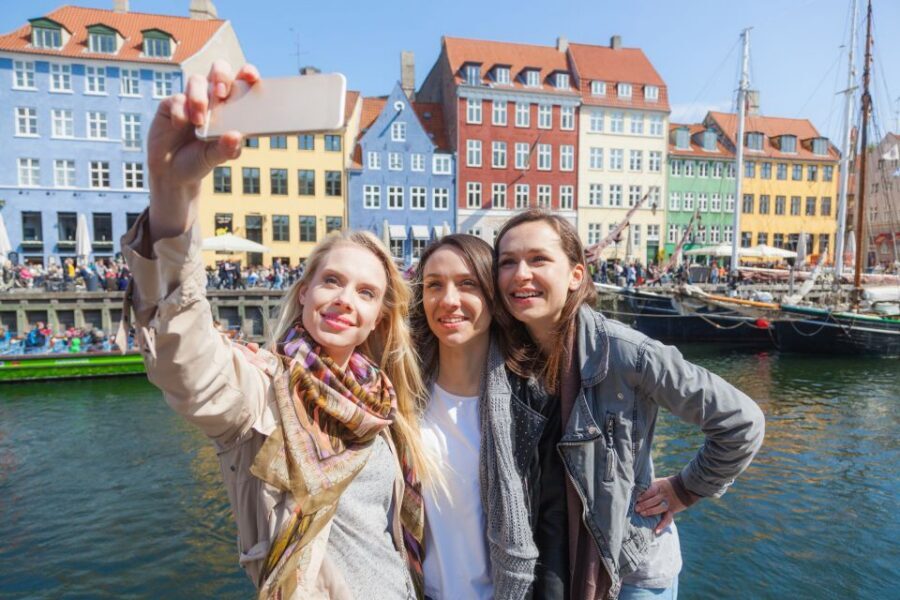
This is the kind of Copenhagen tour that helps you use what you learn, not just collect photos. The route threads together places that are famous for a reason—Nyhavn, Rosenborg Castle, Amalienborg, Marmorkirken, and the Little Mermaid—while also pointing out small details that make you understand the city’s choices.
The “highlights and secrets” promise also shows up in how the guide talks. You hear stories about the city’s culture and history, but you also get modern context about social and urban development. That combo helps Copenhagen feel less like a list and more like a place with logic.
Key Points I’d Put on Your Checklist
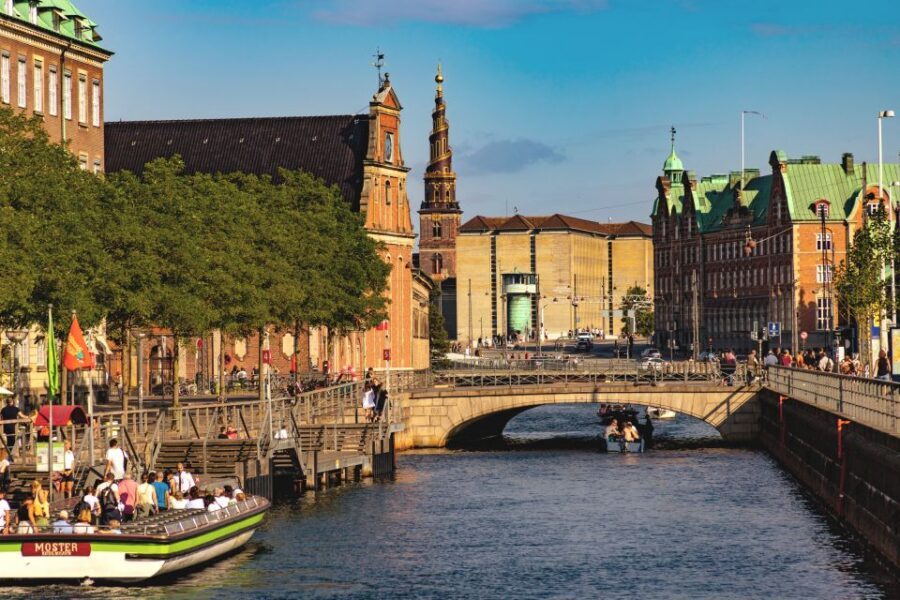
Private guide, private rhythm so the walk feels tailored rather than rushed.
Royal gardens and palace life at Rosenborg Castle and Amalienborg, not just outside photos.
Architecture plus symbols through Marmorkirken and the Gefion Fountain area.
Old Town street-to-street flow covering Kongens Nytorv and Nyhavn at walking speed.
End at the Little Mermaid with help getting to the nearest station if you need it.
Full Option adds Danish pastry and coffee for a true local break mid-walk.
Other walking tours we've reviewed in Copenhagen

Starting Point: El Cava, Green Benches, and Fast Orientation
You meet at the El Cava restaurant area by the green benches. From there, the tour begins with a stop at Niels Bohr Birthplace, which is a smart opener because it signals that Copenhagen isn’t just castles and canals—it’s also ideas.
Expect short guided segments right away. The first tour stop is only about 15 minutes, so it’s not a slow-motion start. The goal is to get your bearings quickly and then keep momentum as the city opens up.
Højbro Plads to Nikolaj: From Easy Beginnings to Art in a Church
Next you pass through Højbro Plads for a guided walk segment of about 15 minutes. This is the kind of place where it’s easy to look and not understand. A good guide turns it into a quick lesson on where people naturally gather and how the city’s layout nudges you around.
Then you head to Nikolaj, Copenhagen Contemporary Art Center (about 15 minutes). The big reason this stop is worthwhile is that it’s a former church turned into a contemporary art space. You get a rare mix: a building with sacred-scale architecture, used for something modern. It’s one of those moments where Copenhagen’s reuse of space makes perfect sense.
Pistolstræde and Kongens Nytorv: Tiny Streets, Real Social Life
Pistolstræde is a short, guided street stop (about 10 minutes), and it’s exactly the sort of alleyway detail that makes Copenhagen feel human. Without a guide, you might walk right by. With one, you understand why these narrow routes matter—how they connect neighborhoods and how people move.
Then comes Kongens Nytorv, a guided segment of about 15 minutes. This is the favorite meeting place of many Danish people, so you’re not just seeing a square—you’re watching how a city square functions in daily life. You’ll get a feel for why locals treat it as a default rendezvous point.
Nyhavn and St. Nicholas Church: Colorful Port Views with Meaning
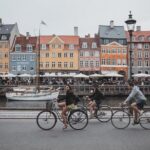
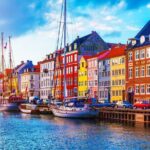
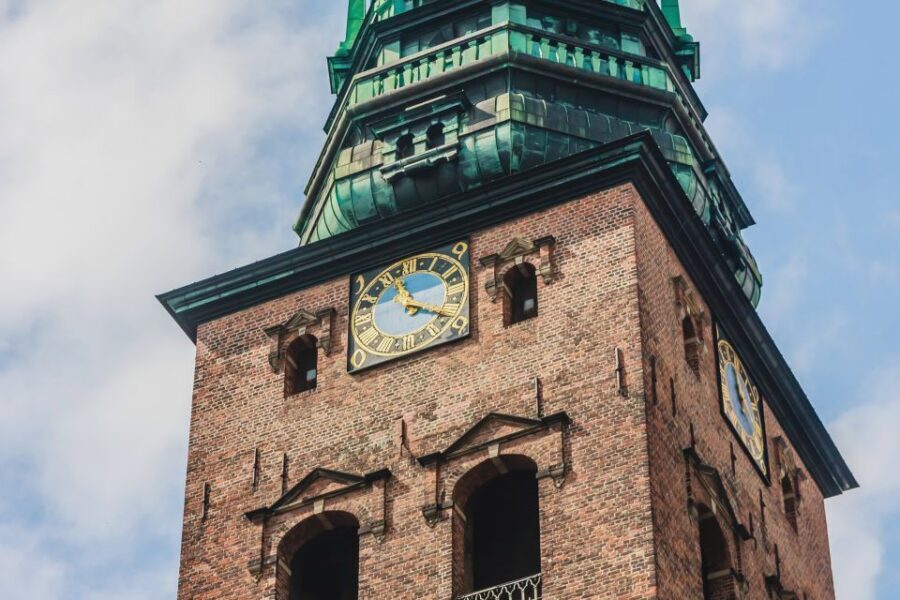
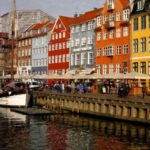
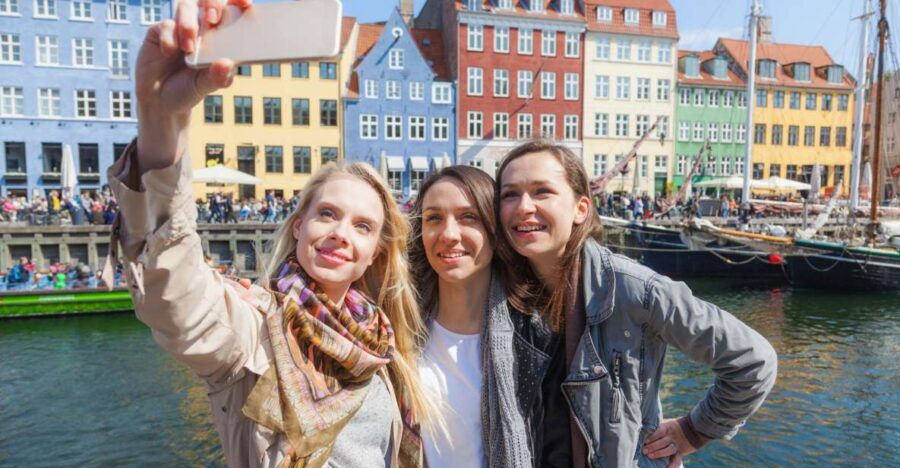
Nyhavn is about a 15-minute guided stop, and yes, it’s colorful. But it’s more than a postcard. You also get St. Nicholas Church in the mix, now functioning as the Contemporary Art Center (that same Nikolaj stop), so the theme becomes visible: Copenhagen preserves forms and then repurposes purpose.
As you walk here, you’ll notice the city’s canal-side rhythm. Boats, water, and terraces create a different kind of “stage” than most European capitals. The guide’s job is to explain what you’re looking at so you don’t just stand there squinting at buildings.
Other private tours in Copenhagen



Rosenborg Castle Gardens: A Royal Setting That Still Feels Walkable

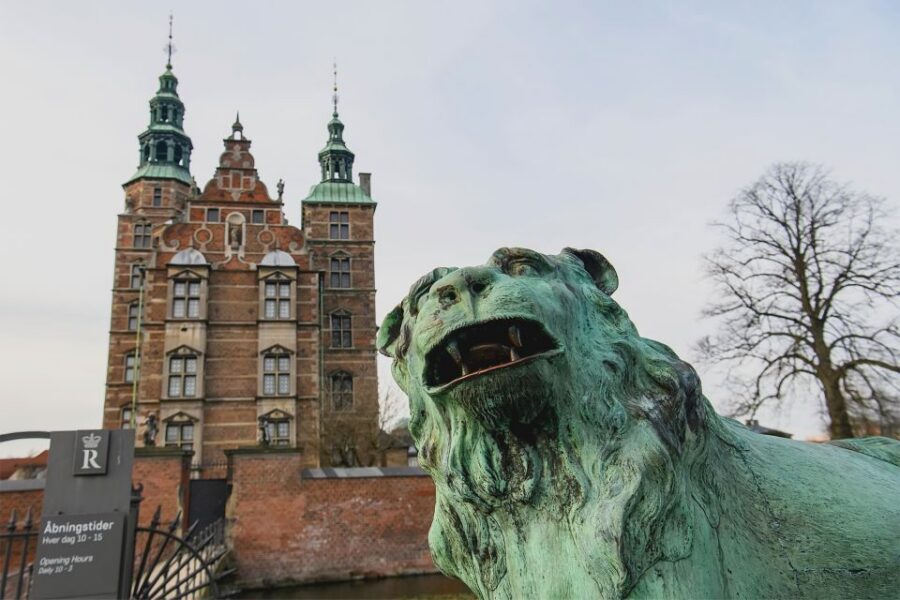
Rosenborg Castle takes about 15 minutes. The big value isn’t only the building itself—it’s the gardens. You don’t get stuck inside a rigid schedule. Instead, you walk through the gardens in a way that gives you breathing room, and you learn how the space fits into Denmark’s royal story.
This stop also works well for photos, but I like it more as a reset. After Old Town streets and busy canal areas, the gardens offer a calmer change of pace without turning the walk into a long detour.
Bredgade Copenhagen and Marmorkirken: Street Scale Meets Marble-Scale Ambition

Bredgade Copenhagen is another short guided stop (about 15 minutes). Think of it as the city’s “bigger stage” street—wide enough to feel formal, but still part of everyday Copenhagen. It’s a helpful transition point if you want to understand where monumental buildings sit in relation to daily movement.
Then you go to Marmorkirken (the Marble Church) for about 15 minutes. You’ll learn about its fascinating history and see why it’s such a standout symbol of Copenhagen. The key here is time management: you’re not trapped for hours, but you also get enough context to make the visit meaningful.
Tip: if you’re the kind of person who likes looking up at façades, this is one of your best moments. Don’t rush the angles.
Amalienborg Palace and Gefion Fountain: Power, Myth, and City Theater
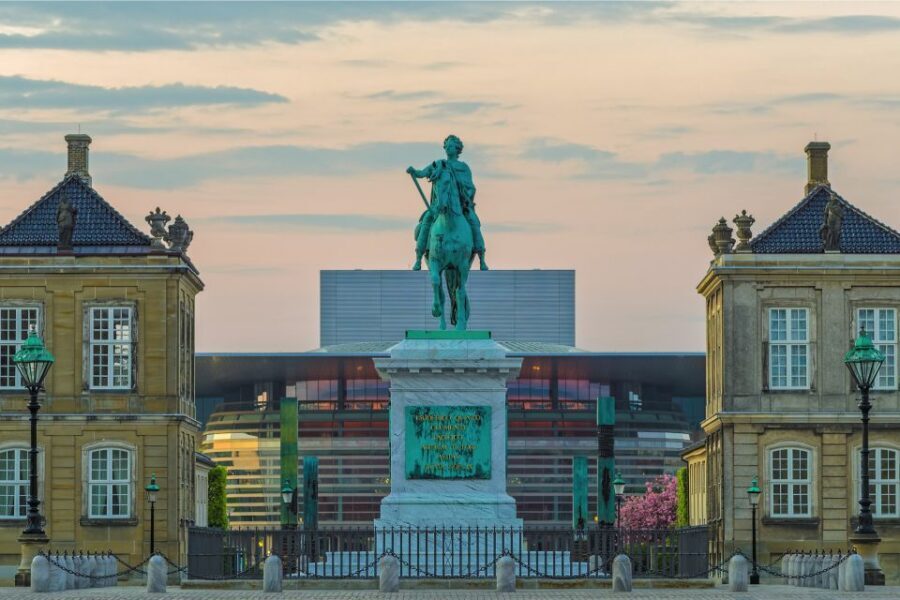
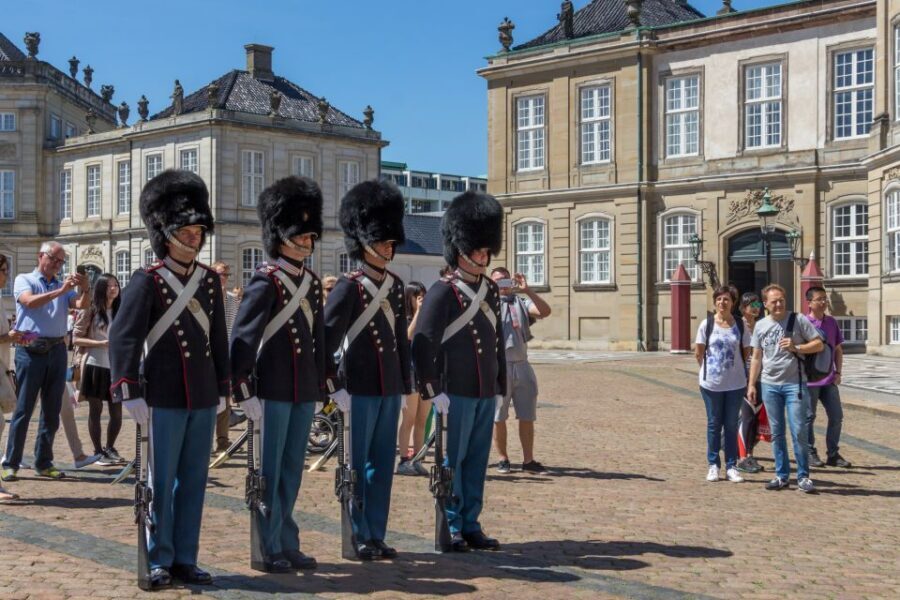
Amalienborg Palace gets a guided segment of about 15 minutes. You walk around the gardens and areas tied to the residence of the kings of Denmark. Again, it’s not only about taking in a grand exterior. It’s about understanding what the place represents and how it fits into the city’s story.
Then the tour moves to the Gefion Fountain for about 15 minutes. This stop adds a myth-and-meaning layer. You’ll learn about its context, and you’ll also see it as an entrance point to the older Kastellet fortress area.
The Gefion Fountain and the fortress-adjacent feel together make Copenhagen feel layered: newer civic life and older defensive geometry both shape where you walk.
Kastellet Fortress Entrance and The Little Mermaid Finale
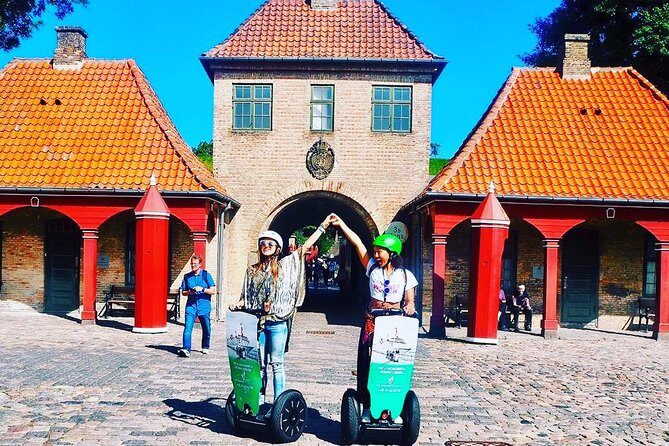
Kastellet is covered in about 15 minutes as you reach the entrance area tied to the old fortress. Even if you’re not a fortress person, the layout can be satisfying because it changes the feel of the city. Streets stop behaving like casual alleys and start behaving like planned geometry.
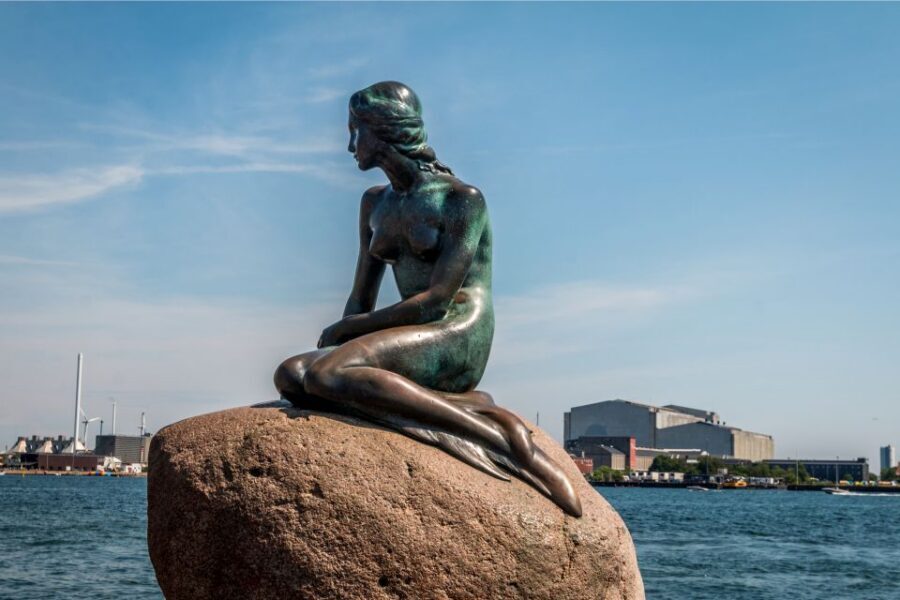
Finally, you reach the Little Mermaid statue. The tour ends here, and that’s a practical detail worth planning around. The statue is the most visited monument in Denmark, and it can be crowded. The good news is you’re not doing the whole city slog just to get there at the end with no context.
A helpful extra: at the endpoint, your guide accompanies you to the nearest station if you need assistance, and shares tips to help you make the most of the rest of your Copenhagen visit.
Danish Pastry and Coffee: Choose the Full Option if You Want a Real Stop
The Danish pastry and coffee are included only in the Full Option. If that’s important to you—and honestly, it should be in Denmark—you get a built-in break inside a traditional pastry shop.
This isn’t a random food add-on. It’s a strategy: you get a pause at a moment when you’ll appreciate sitting down, and you also get a taste that helps the city feel local, not just historic.
If you’re traveling with a packed schedule and you prefer to eat on your own, you can still enjoy the main walk without the stop. But if you want one place where the tour definitely pays off in a tangible way, this is it.
What Makes the Guide Matter (And the Names You Might Hear)
This tour lives or dies on the guide. And the strongest common thread from real experiences is that the guide’s personality turns the walk into something you actually look forward to.
I’ve seen guides like Jeff praised for being friendly, funny, and very engaging, with stories that go beyond the obvious. One standout detail: Jeff has even helped people with the next step after the tour, guiding them to their starting point so they didn’t get lost. That’s the kind of calm, practical kindness that saves time later.
Other names you might meet include Karolina, who is described as fun, thoughtful, and insightful, and Paula, who’s noted for being responsive and sharing both background history and modern facts that make Copenhagen feel distinct from other big European cities. Grazi is also singled out as making the walk feel welcoming and special, with a mix of known treasures and “extra” spots that change the whole experience.
And yes, Lucas comes up too, with one experience where the walk was tailored to preferences. That’s exactly how private tours should feel: you’re not stuck in a single script.
Pace, Timing, and How Much Walking You’re Actually Signing Up For
This is a 3-hour walk, listed as 210 minutes. That’s a sweet spot in Copenhagen. Long enough to feel like you covered real ground and got context, short enough that you’re not exhausted before dinner.
You also get a rhythm of short guided segments, often around 10–15 minutes per stop. That matters because it keeps your brain fresh. Copenhagen history and architecture are interesting, but you don’t want a single endless lecture. Here, the guide gives you just enough to connect what you’re seeing.
You’ll spend time moving through Old Town streets, canal areas, and royal-adjacent spaces. If you’re visiting in rain or cold, wear shoes that forgive you. The tour is wheelchair accessible, but for everyone else, comfort still counts.
Price and Value: Is $133 Worth It?
At $133 per person, you’re paying for three things that matter in a city like Copenhagen: personalization, time saved, and better understanding of what you see.
A self-guided walk can get you to the main landmarks. But it doesn’t explain why places sit where they sit, or how the city’s ideas about social and urban development show up in daily life. With a private guide, you also don’t waste time figuring out the next best stop or how to sequence your day.
The tour is also private, meaning you’re not competing with other people for attention. In practice, that often turns $133 into a “you’re getting a friend with local context” cost, not just a sightseeing fee.
Who This Tour Is Best For
You’ll enjoy this most if you want:
- A focused introduction to Copenhagen in one morning or early afternoon
- A private guide you can ask questions of
- Royal architecture plus city-life context, not just a museum-style checklist
- The optional pastry and coffee stop as a planned break
It also suits honeymooners and first-time visitors because it gives quick clarity fast. If you’re returning to Copenhagen and already know the main sights, you might still find value because the guide’s framing helps you notice what you’d normally skip.
Quick Decision Guide: Book or Skip
If you want a smart first pass through Copenhagen with structure and local storytelling, this is an excellent bet. The route hits major anchors like Nyhavn, Rosenborg, Amalienborg, Marmorkirken, and ends at the Little Mermaid, so you won’t feel like you missed the obvious.
If you hate crowds or you’re determined to end your day somewhere quieter, plan your after-tour time carefully since the finale is at the most visited monument. Otherwise, the walk’s private pace and short, well-timed stops make it feel efficient and genuinely useful.
FAQ
Where do I meet the guide?
Meet your guide in front of the El Cava restaurant by the green benches.
How long is the tour?
It runs about 3 hours (listed as 210 minutes).
Is this a private tour?
Yes. It’s a private group tour.
What languages are spoken?
The live guide offers English and Danish.
Is the tour wheelchair accessible?
Yes, it is wheelchair accessible.
Does the tour include Danish pastry and coffee?
Danish pastry and coffee are included only in the Full Option.
Where does the tour start and end?
It starts with the Niels Bohr Birthplace as the first stop, and it finishes at the Little Mermaid.
What’s the guide able to help with at the end?
After the tour, the guide will accompany you to the nearest station if you need assistance, and share tips to make the most of your Copenhagen visit.
What are the cancellation terms?
Free cancellation is available up to 24 hours in advance for a full refund.