Copenhagen makes sense on foot. This 3-hour highlights-and-lesser-known-stops walking tour strings together Nyhavn townhouses and palace sights with real local guide context, so you’re not just snapping photos. The main trade-off: it’s a steady walking route with mostly street-level viewing and quick stops, so it’s not for people who want long museum time.
If you want a smart first pass through central Copenhagen, you’ll like the pacing: shopping streets, government and theatre landmarks, the Marble Church area, then down to the harbor. Expect a multilingual live guide (English, French, Italian, Spanish) and a plan that’s easy to follow starting at Studiestræde 52.
In This Review
- Key points
- Getting Your Bearings at Studiestræde 52
- Strøget: The Main Street Where You Learn the City’s Rhythm
- Christiansborg Palace and the Royal Danish Theatre: Power and Performance Nearby
- Frederiks Kirke (Marble Church): Rococo Details You Can Actually Spot
- Amalienborg Palace: The Royals, the Symmetry, and the Real Feeling
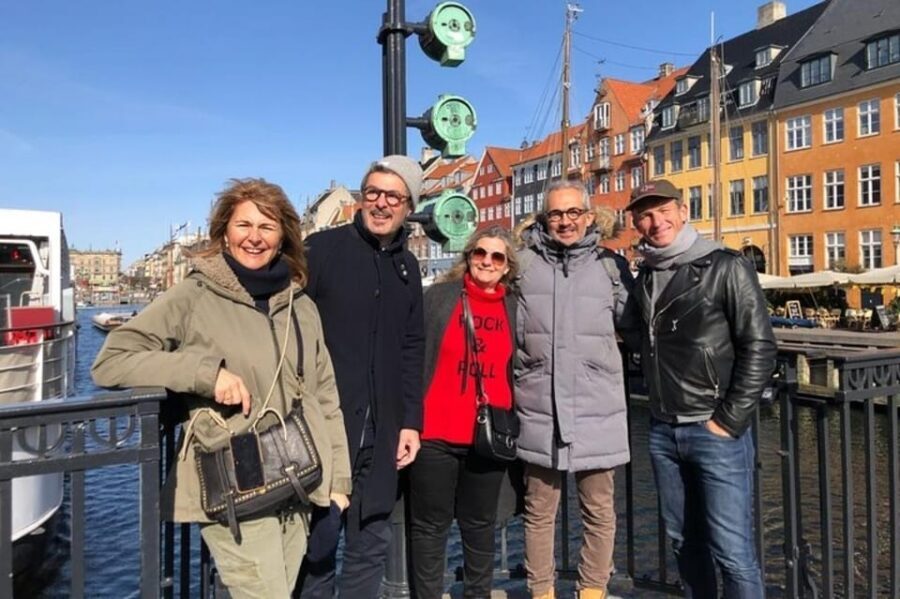
- Nyhavn: Colorful Townhouses and Waterfront Energy Without the Guesswork
- The Lur Blowers Monument by City Hall: Small Stop, Big Meaning
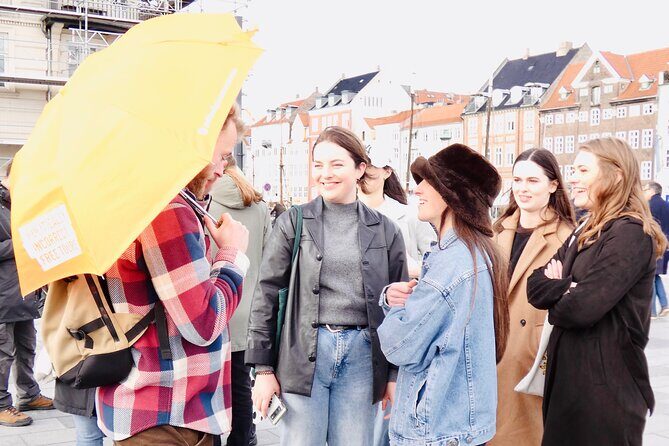
- Why the Guide Changes Everything (Especially if You Ask Good Questions)
- Price and Timing: Does $58 Make Sense for a 3-Hour Walk?
- Who This Walk Suits Best
- Practical Tips for Enjoying This Route
- Should You Book This Copenhagen Walking Tour?
- FAQ
- Where does the tour start?
- How long is the walking tour?
- How much does the tour cost?
- What key places will I see?
- Is the tour private or shared?
- What languages are available for the guide?
- Is the tour wheelchair accessible?
- Is a guide included?
- Is free cancellation available?
Key points
- Start at Studiestræde 52 and get grounded quickly in the city center
- Strøget photo-and-walk time to learn what this main street means
- Frederiks Kirke (Marble Church) for rococo-style architecture at street level
- Palaces and civic landmarks around Amalienborg and Christiansborg with guiding context
- Nyhavn for colorful façades and classic waterfront Copenhagen energy
- Lur Blowers by City Hall for a small stop with outsized cultural meaning
Getting Your Bearings at Studiestræde 52

Every good Copenhagen day starts with a plan, and this one begins at Studiestræde 52. That’s helpful because it puts you right where you can link together the city’s key “north-central” sights without crisscrossing. I like tours that don’t make you guess which way to go next, and this route is built for walking.
From the start, your guide sets the tone: what you’re about to see, why it matters, and what to notice as you pass by. You’ll likely pick up quick orientation facts that make later landmarks easier to read. Think of it as learning the city’s grammar before you start speaking Danish.
Other hidden gems and off-the-beaten-track tours we've reviewed in Copenhagen

Strøget: The Main Street Where You Learn the City’s Rhythm
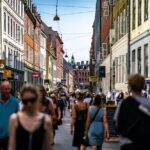
Strøget is Copenhagen’s signature shopping corridor, and the tour uses it in a practical way: photo stop, guided walk, and sight-seeing. The value here isn’t just the stores. It’s the chance to watch how the city moves—pedestrian-first streets, storefront rhythm, and how Copenhagen keeps a human scale even in high-traffic areas.
If you like street-level context, your guide’s commentary turns the street into more than a line on a map. You’ll hear about what makes this part of town important and how locals experience it day to day. The walk is also a useful warm-up: you get going early, before the route gets more ceremonial with palaces and church architecture.
Christiansborg Palace and the Royal Danish Theatre: Power and Performance Nearby

As you head toward Christiansborg Palace, the tour shifts from shopping-street energy to something more official and symbolic. Christiansborg is one of those landmarks that can feel confusing from the outside—big buildings, multiple roles, lots of authority baked into the architecture. A guide matters here because they help you connect the structure to Denmark’s institutions and how public life works.
Then you’ll pass the Royal Danish Theatre Play House. Even if you’re not a theatre person, it’s a meaningful landmark because it reflects Copenhagen’s cultural priorities. The tour’s stop pattern—photo, guided walk, and short sightseeing—keeps momentum while still giving you enough context to look at the façades with better understanding.
One practical note: these are urban, outdoor-forward stops. If you’re traveling with limited mobility or you’re sensitive to lots of walking, it helps that the tour is designed as a 3-hour route rather than a half-day grind. Still, wear shoes you can walk in for real.
Frederiks Kirke (Marble Church): Rococo Details You Can Actually Spot

Frederiks Kirke, often called the Marble Church, is a highlight for anyone who enjoys architecture. Your guide will point out what makes it recognizable, including its rococo style. The key for me is that the tour doesn’t treat the church like a postcard only. It gives you a few visual hooks—so you know what to look for instead of just staring upward.
This is also one of those Copenhagen stops where timing and street setting matter. You’ll be seeing it in the flow of the city rather than in isolation. That’s great if you want to feel like you’re in Copenhagen, not just visiting it.
If you’re the kind of traveler who can spend 30 minutes lingering at cornices and façade details, this part is likely to be one of your favorite moments.
Amalienborg Palace: The Royals, the Symmetry, and the Real Feeling

Amalienborg Palace is one of Copenhagen’s most iconic royal scenes, and the tour treats it properly. You’ll stroll past with guiding commentary and get multiple chances to look at it from street level in a way that feels coherent, not rushed.
What I like about this stop is how it shifts your perspective from earlier landmarks. Christiansborg gave you civic gravity; the theatre added culture; now you land in royal symbolism. Your guide’s job here is to connect the dots—what you’re seeing and why Denmark presents the monarchy the way it does.
This is also where the walk becomes more visually satisfying. Palaces have that built-in “wow,” but the guided context helps you see patterns: layout, façade choices, and the way the streets frame the architecture. Even if you’ve seen palace photos before, it’s different when you’re standing near the scale.
Other walking tours we've reviewed in Copenhagen




Nyhavn: Colorful Townhouses and Waterfront Energy Without the Guesswork
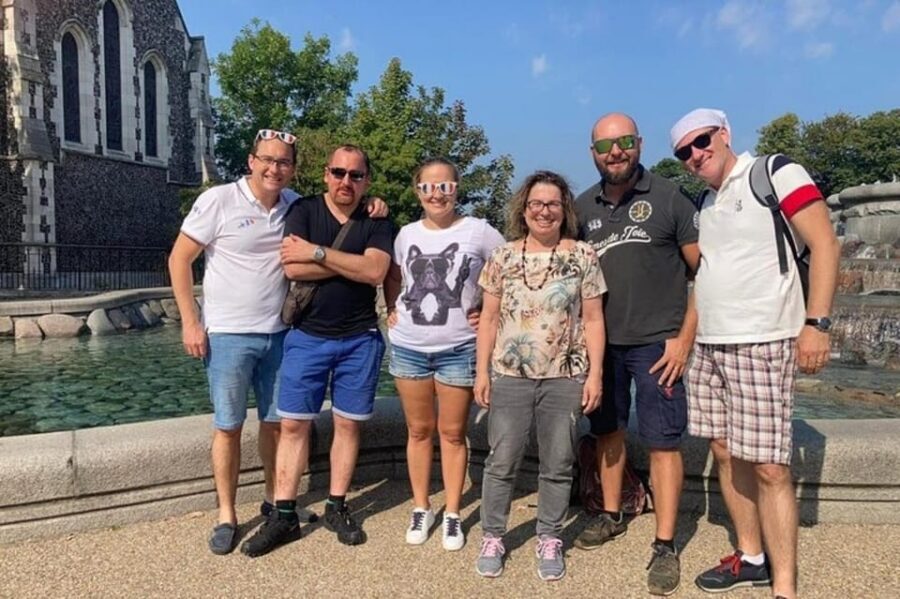
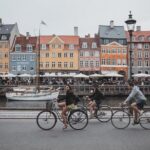
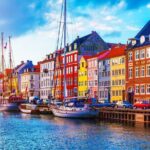
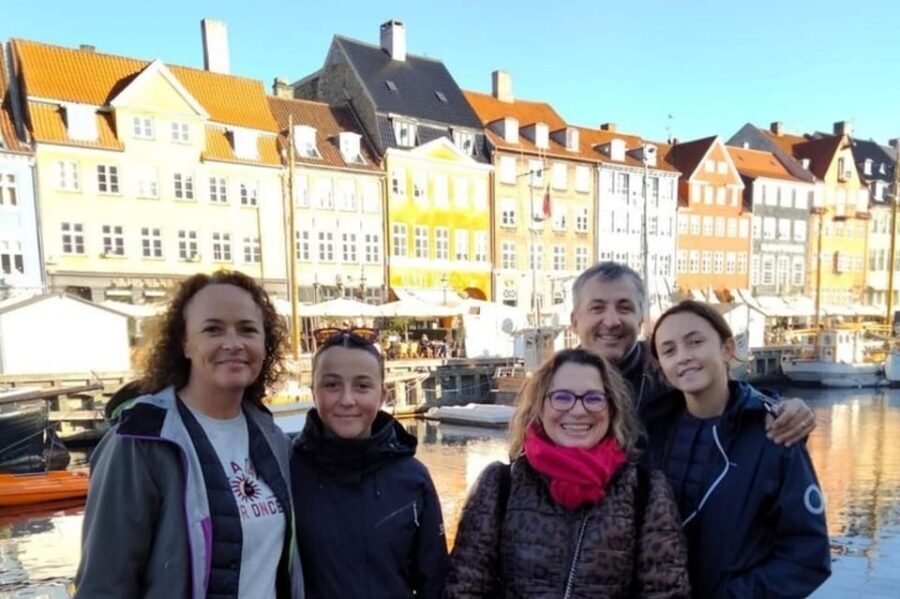
Then comes Nyhavn, the harbor district that almost always becomes the best photo memory from a Copenhagen visit. You’ll spend time here with a photo stop and guided sightseeing, plus a guided walk along the waterfront.
The tour’s description emphasizes the colorful 17th and 18th-century townhouses, and that’s exactly what draws you in. I love this area because the details feel human: façades, windows, and the way cafes and harbor life overlap. It doesn’t feel like a frozen monument. It feels like a working part of the city.
Nyhavn is also ideal for asking your guide practical questions. This is where you want recommendations for what to do next—what to eat, where to wander after the tour ends, and how to spend the rest of your day so you don’t waste time backtracking.
And yes, you’ll get that from the guides. Some of the best guidance I’ve seen in this kind of setting comes from tour leaders who actually tailor suggestions to your interests, not just hand you a generic list.
The Lur Blowers Monument by City Hall: Small Stop, Big Meaning
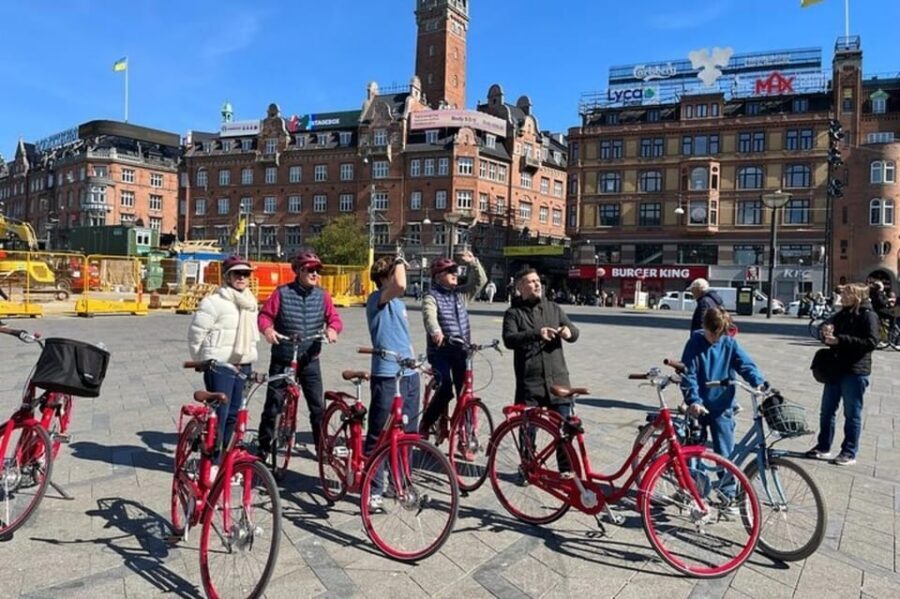
Right next to City Hall, the tour includes a stop at the Lur Blowers monument. This is the kind of moment that makes me trust a guide. A lot of tours focus only on the famous buildings. This one gives you a short pause for a specific piece of Danish heritage, and it’s memorable for its role rather than its size.
If you’re wondering what a monument like this does for your trip, here’s the value: it gives you a cultural reference point. You’re not only collecting sights; you’re collecting meanings. That helps you understand Denmark as more than architecture and food stops.
If you like learning one or two strong cultural ideas during a short visit, this stop is a smart use of time.
Why the Guide Changes Everything (Especially if You Ask Good Questions)

A walking tour can either feel like a slideshow or like conversation with context. The guides here tend to land in the second category, based on what they bring to the experience—enthusiastic delivery, clear explanations, and readiness to answer questions.
You may be guided by leaders like Simona, who is described as empathetic, prepared, and enthusiastic, with answers for all sorts of curiosity. Another example is Mood, noted for strong historical bearings and for adapting to what your group cares about. And Frédéric is mentioned for helping visitors understand Danish customs and everyday ways of thinking, not just the landmark list.
What does that mean for you? It means you can steer the conversation. If you’re interested in royal history, you’ll likely get more detail at the palaces. If your focus is everyday Denmark, you’ll probably hear more about local customs as you walk.
Also, your guide is a built-in shortcut for decision-making. After a day of walking, you’ll want a real recommendation—like what to eat and where to go next. Having someone who can tailor that to your tastes is one of the best parts of this tour format.
Price and Timing: Does $58 Make Sense for a 3-Hour Walk?
At $58 per person for 3 hours, this tour sits in a category where value comes from concentration. In central Copenhagen, you could try to DIY everything—but you’d spend time figuring out what to look for, and you’d miss the “why.” Here, you pay for a guide who helps you read the city while you’re moving.
I think it’s worth it if:
- You want multiple major highlights in one go: Strøget, Christiansborg, the theatre area, Frederiks Kirke, Amalienborg, and Nyhavn.
- You care about architecture and what different buildings represent.
- You like getting recommendations at the end so you can use the rest of your day well.
It may not be worth it if:
- You prefer a totally self-paced trip with no planned route.
- You’re planning to spend long periods inside places rather than enjoying exterior and street-level viewing.
For most first-timers, though, the guided format is a time-saver. You’re not just seeing Copenhagen; you’re learning how to see it.
Who This Walk Suits Best
This tour is a good fit for:
- First-time visitors who want a coherent overview without jumping between far-flung areas.
- People who enjoy walking city centers and prefer context to guidebook reading.
- Travelers who like cultural details, not only famous landmarks—especially with that Lur Blowers stop.
It also works well as a half-day plan. You can start in the morning or early afternoon, then keep the rest of the day free for food, shopping, or more wandering on your own.
If you’re traveling with kids, it can work if they’re okay with short photo stops and constant movement. But the pacing is adult-friendly and built around sight-seeing and explanation, not long play breaks.
Practical Tips for Enjoying This Route
This is a walking tour built around Copenhagen’s central core. Here’s how to get the best experience out of it:
- Bring comfortable shoes. The route includes multiple photo stops and several major streets and landmarks.
- Dress for the weather. Copenhagen can change fast, and you’ll be outside the whole time.
- Keep your camera ready, but also listen. The architecture moments like Frederiks Kirke are more fun when you know what to look for.
- Ask for recommendations at Nyhavn or near the end. It’s when your guide’s suggestions are easiest to use immediately.
If you want to “win” the tour, you’ll do best by showing curiosity. Even one good question can lead your guide to explain an angle you didn’t know you cared about.
Should You Book This Copenhagen Walking Tour?
If you want a structured, high-value introduction to central Copenhagen, I’d book it. The route covers the big names—Nyhavn, Amalienborg, the Marble Church area, Christiansborg, and the theatre district—while still adding cultural meaning with the Lur Blowers monument by City Hall. And because it’s guided in multiple languages, you can match it to your comfort level.
I’d skip it only if your travel style is purely self-directed and you don’t want a route with a set order. Otherwise, this is exactly the kind of short guided walk that helps you get more out of every hour you spend in Copenhagen.
FAQ
Where does the tour start?
The meeting point is Studiestræde 52.
How long is the walking tour?
The duration is 3 hours.
How much does the tour cost?
The price is $58 per person.
What key places will I see?
You’ll see Nyhavn, Frederiks Kirke (the Marble Church), Amalienborg Palace, Christiansborg Palace, the Lur Blowers monument next to City Hall, and you’ll also pass by places including Strøget, Magasin du Nord, and the Royal Danish Theatre Play House.
Is the tour private or shared?
It can be private or group/shared depending on the option you select, and private group options are available.
What languages are available for the guide?
The live guide is available in English, French, Italian, and Spanish.
Is the tour wheelchair accessible?
Yes, the tour is wheelchair accessible.
Is a guide included?
Yes, the guide is included.
Is free cancellation available?
Free cancellation is available up to 24 hours in advance for a full refund.