REVIEW · COPENHAGEN
Copenhagen: Guided Walking Tour
Book on GetYourGuide →Operated by Dinturia · Bookable on GetYourGuide
Three hours, and Copenhagen makes sense. This guided walk strings together medieval Copenhagen highlights and Danish traditions, with storytelling-led stops that many people enjoy thanks to guides like Facundo and Edgar. I love how the route turns landmarks into context, and I especially like the Danish customs touch that explains what you’re seeing and what it means.
The main thing to consider is that this is a rain-or-shine walking tour. You’re on your feet for a lot of ground (one review clocked about 7 miles), and large bags don’t fit the vibe.
In This Review
- Key highlights at a glance
- Why this 3-hour route works in Copenhagen
- Meeting at Central Station: where the tour gets rolling
- Tivoli outside to City Hall and the squares: learning the city’s rhythm
- Cathedral areas and Strøget: how Denmark shows up in plain sight
- Christiansborg Castle and the Old Stock Exchange: power and public life
- Round Tower and Rosenborg Castle: medieval navigation with royal echoes
- Nyhavn and Amalienborg: the postcard finish that feels earned
- How the guide experience makes this tour worth it
- Price and value for a private group up to five
- Walking logistics: distance, weather, and what to pack
- Who should book this tour, and who might skip it
- Should you book this Copenhagen walking tour?
- FAQ
- How long is the Copenhagen guided walking tour?
- Where do I meet the guide?
- Is the tour private?
- What languages are the live guides?
- What’s included in the price?
- Are food and drinks included?
- What should I bring?
- Does the tour run in bad weather?
- Is it suitable for mobility impairments?
- Are luggage or large bags allowed?
Key highlights at a glance
- Private group pace (up to 5 people) so your guide can tailor stops to your interests
- Start at Copenhagen Central Station with an easy meet-up point facing Tivoli Gardens
- A story-led loop through the old core from Ny Torv/Gammel Torv to Cathedral areas and Strøget
- Royal and classic Copenhagen views from Christiansborg and Rosenborg areas to Nyhavn and Amalienborg
- Guides who keep kids and teens engaged, not just adults with museum attention spans
Why this 3-hour route works in Copenhagen
Copenhagen is the kind of city where it helps to know the lay of the land fast. One neighborhood can look similar to the next until someone explains how the city grew, where power clustered, and why certain streets and squares matter. That’s exactly what this tour aims for: a walk that gives you a map in your head, not just a checklist of photos.
I like that the emphasis isn’t only on famous buildings. You’ll hear history of Copenhagen and Denmark through a living lens—customs, traditions, and the everyday culture that shows up around these landmarks. That makes your next day in town smoother, because you’ll start noticing details on your own.
Also, the time is right. Three hours is long enough to cover a meaningful loop through central Copenhagen, but short enough that you still have energy left for Tivoli rides, a late lunch, or a relaxed harbor stroll afterward.
Other walking tours we've reviewed in Copenhagen



Meeting at Central Station: where the tour gets rolling
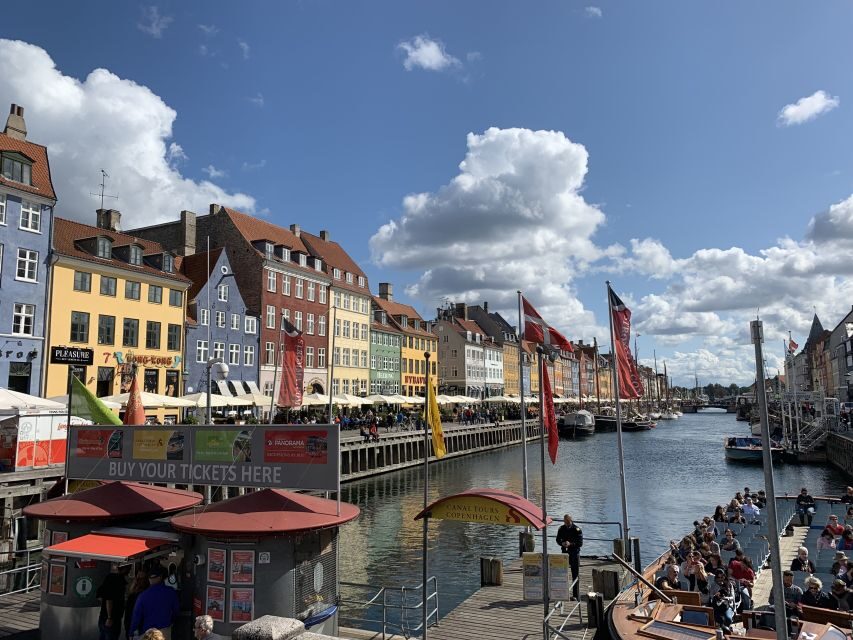
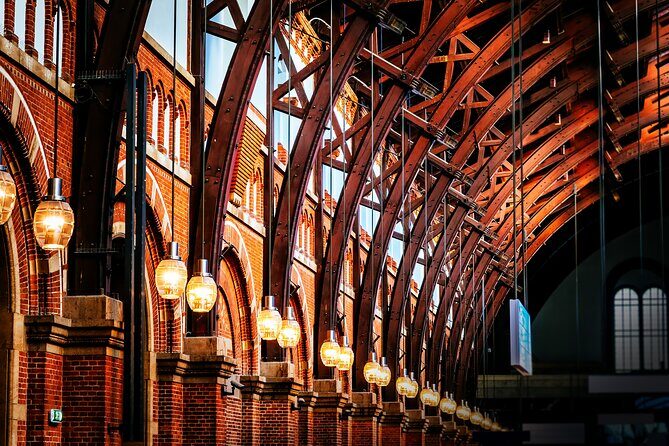
You meet at Copenhagen Central Station, specifically at the exit to Tivoli Gardens. This is a smart meeting point for two reasons: it’s easy to reach, and it sets the tone that you’re heading straight into the city rather than doing a long transfer first.
Once you’re with your guide, the group starts moving toward the most scenic highlights. Your guide’s plan can vary based on your preferences and timing, but the overall “arc” stays the same: classic center first, then medieval and royal-era landmarks, finishing with some of Copenhagen’s most photographed streets.
One practical tip: be ready to begin walking right away. Have your comfortable shoes on and your umbrella (or at least a rain plan) sorted before you start. This tour doesn’t pause for weather drama.
Tivoli outside to City Hall and the squares: learning the city’s rhythm

The first big flavor is Tivoli—not inside, but outside, so you can get a feel for the area immediately. Even if you skip the gardens during your trip, this quick intro helps you understand why Copenhagen’s visitor life starts right there.
From there, the route commonly includes the City Hall area, plus Ny Torv and Gammel Torv. Squares are where a city’s schedule shows itself—markets, gatherings, civic life, and all the small “how people use space” clues you miss if you only hop between buildings.
Here’s what I’d pay attention to during these stops:
- Notice how the streets funnel you toward key corners and viewpoints.
- Look for the mix of old-center vibe with modern foot traffic.
- Listen for what your guide says about daily customs and how they connect to these public spaces.
Even better, the guides seem to have a real talent for pace. One family with kids noted that the tour stayed interesting for ages 11 and 14, which usually means the guide does more than recite dates and facts. You’ll likely get mini-stories tied to what you’re seeing right now.
Cathedral areas and Strøget: how Denmark shows up in plain sight
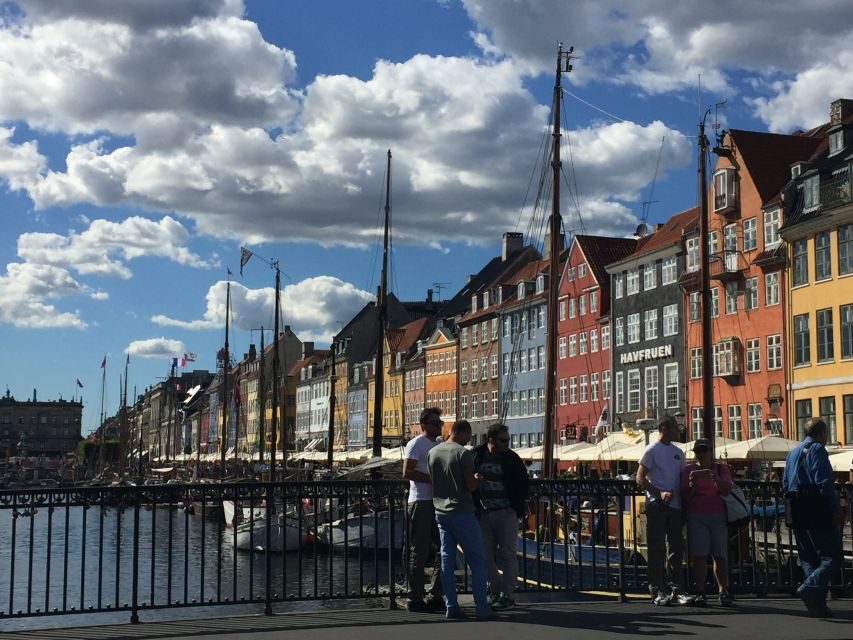
Next comes the old-core feel. You may visit Copenhagen’s Cathedral, then move into the heart of pedestrian Copenhagen through Strøget.
Strøget is one of those streets where it’s easy to get caught in the shopping flow and forget you’re in a historical axis of the city. A guided walk helps you slow down and see the street as more than a place to browse. You’re hearing the “why” behind the layout—how the city organized movement, gathering, and commerce over time.
If you’re the type who likes culture signals, this is a great part of the tour. The guides often weave in Danish traditions and cultural awareness in a way that feels tied to the places rather than tacked on as trivia. That’s what turns the walk into orientation, not just sightseeing.
Also, this section is where your guide’s flexibility can matter. Some people appreciated that their guide adjusted the plan—like lingering when something important was happening—so you’re not just racing through landmarks.
Christiansborg Castle and the Old Stock Exchange: power and public life
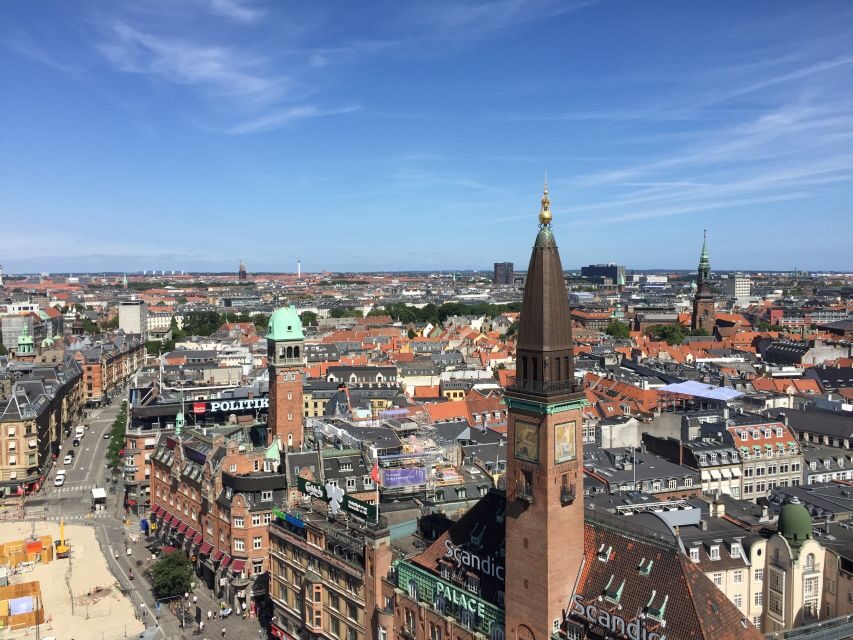
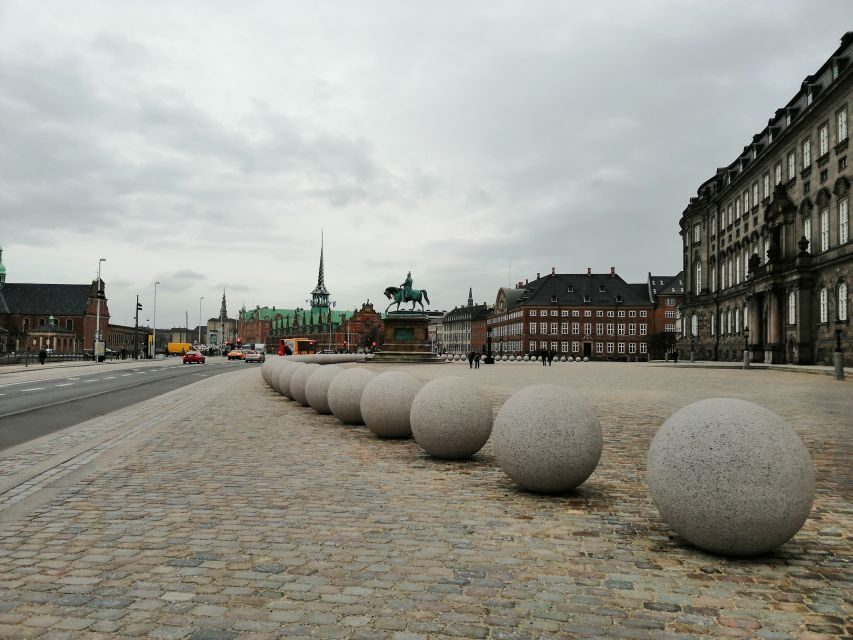
You’ll likely pass Christiansborg Castle. From a distance, it’s one of those places that reads as political gravity. Up close, it’s a reminder that Copenhagen has long treated government and public life as visible, not hidden.
Many tours mention the building. This one aims to explain the surrounding story—why it fits into Denmark’s evolution and what it signals about the country.
You may also see the Old Stock Exchange. That stop is useful for the same reason as the squares: it helps you understand Copenhagen as a city shaped by trade, institutions, and the flow of people and ideas. Even if you don’t go into any building interiors, the exterior views plus the guide’s context can make the street-level scene click.
One detail that comes up in feedback: some guides time parts of the walk around moments like the changing of the guard near the palace area. If you’re into watching ceremonies and turning those moments into memories, it’s worth arriving with a camera ready and a patient attitude.
Other guided tours in Copenhagen






Round Tower and Rosenborg Castle: medieval navigation with royal echoes
As the tour continues into the “medieval Copenhagen” mood, you may visit the Round Tower area and then Rosenborg Castle.
Round towers are instantly memorable, but the best part here is how a guide connects the visual punch to Denmark’s bigger timeline. You’re not just looking up at a landmark—you’re learning how Copenhagen’s older layers still steer the city’s identity.
Rosenborg Castle is another anchor in the loop, and the pacing matters. You’ll want a few minutes to look around rather than treating it like a quick photo stand. A well-run guide will give you that breathing space while keeping the group moving at a humane speed.
If you’re traveling with teens or want a tour that doesn’t feel like a lecture, this is also where the guide style can show. Multiple people praised guides for telling stories with humor and answering questions without making it awkward. That’s the difference between a tour you tolerate and one you actually enjoy.
Nyhavn and Amalienborg: the postcard finish that feels earned
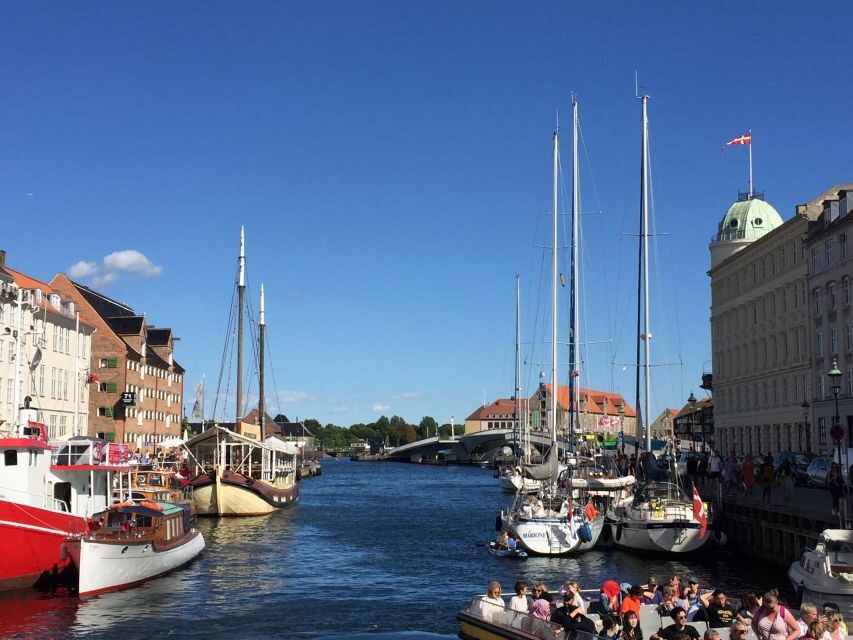
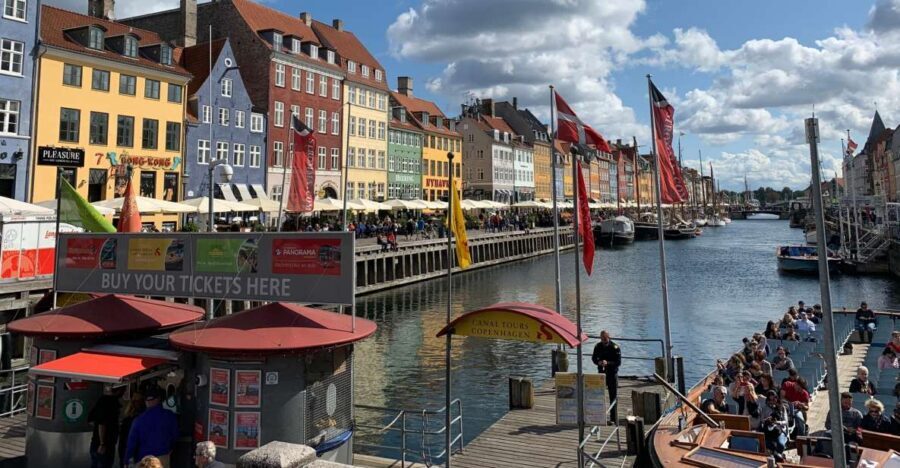
The tour often lands at Nyhavn, one of Copenhagen’s most photogenic harbor areas. Even if you’ve already seen pictures, this is where the guide helps you notice what makes it work: the street energy, the water-side character, and the way visitors and locals share the space.
Then you typically reach Amalienborg Castle. This is the royal Denmark capstone. If you’re lucky with timing, you may even catch something like the changing of the guard, which is exactly the kind of moment that turns a normal walkthrough into a “we’ll remember this” experience.
A small practical point: after Nyhavn, keep an eye on your footing. Historic pavement plus harbor-side foot traffic can be slick when it’s wet. Bring your best walking shoes, not your prettiest ones.
How the guide experience makes this tour worth it
At $343 per group (up to 5 people), you’re paying for a guide, not for a bus ride. The good news: the guides on this tour are repeatedly praised for the same core skills:
- Strong storytelling that connects each stop to Denmark and Copenhagen
- A pace that keeps people engaged without feeling rushed
- The ability to tweak the route when someone wants to linger at a specific place
Names that came up again and again include Facundo, Edgar, Alessio, and Stuart, with others like Nuria, Lucy, Tina, Papito, and Martin also mentioned for their style. The common thread: they don’t just recite facts. They seem to answer questions, and they make the city feel understandable.
One review detail I really liked: a guide was happy to accommodate a wish to linger at Parliament when the king and queen were arriving. That tells me the guide is paying attention to real-world moments, not just marching down a fixed script.
If you want your first day to feel less like navigation and more like knowing what you’re looking at, this guide-led approach is the real value.
Price and value for a private group up to five

Let’s talk value plainly. $343 per group up to 5 means the cost per person depends on how many you have with you. If you’re traveling as a family or a small group, this can be a very workable way to get a guided orientation without paying for a big-ticket private car tour.
What you’re buying with this price:
- A 3-hour walking guide covering a lot of key center highlights
- A private group format, which usually means more questions answered and more attention to your interests
- A route that aims for meaning, not just a stop list
What you’re not paying for:
- Food and drinks
- Hotel pickup/drop-off
So the best match is someone who’s comfortable meeting at a central station, carrying a small day bag, and doing serious walking for a short window. If you want a car ride, this isn’t that. If you want to understand Copenhagen quickly, this is exactly the right model.
Walking logistics: distance, weather, and what to pack
This is a walking tour that runs rain or shine. Copenhagen weather can switch fast, and the tour won’t treat that as a reason to stop. Come prepared.
Here’s what to bring, based on what the tour lists and what people emphasize:
- Comfortable shoes (you’ll want them early, not after you’re sore)
- Warm layers and weather-appropriate clothing
- An umbrella or rain gear
- A jacket you can move in
Also note what’s not allowed: luggage or large bags. So plan for a day pack, not a full suitcase day.
Distance-wise, one review mentioned walking about 7 miles. That doesn’t mean you should panic, but it does mean you should plan around it. If you’ve booked this tour on your arrival day, I’d keep your evening plans simple and low-key.
Who should book this tour, and who might skip it
Book this if:
- You want an orientation walk that covers the key old-center and royal sights
- You like guides who connect history and culture to the streets you’re standing on
- You’re traveling with kids or teens and want the route to stay interesting
- You prefer asking questions and getting thoughtful answers
Skip it or consider alternatives if:
- You don’t do long walks well. Even reviews praising the pacing still point out the walking distance.
- You’re bringing large bags or luggage and don’t have a small-bag plan.
- You need a more tailored mobility setup. The tour is listed as wheelchair accessible, but it’s also flagged as not suitable for people with mobility impairments, so you should check carefully.
Should you book this Copenhagen walking tour?
If you’re trying to maximize your first day and you want Copenhagen to feel understandable, I think this is a strong choice. The price makes sense for a private group up to five, and the repeated praise for guides like Facundo, Edgar, and Alessio points to the same thing: you get a story-led experience that keeps people engaged.
The only real watch-out is the walking. Come ready for a longer stroll, dress for weather, and keep your bag small. If that fits your style, you’ll get more than photos—you’ll get a mental map of Copenhagen and Denmark’s cultural threads, tied to places like Tivoli, Strøget, Nyhavn, and the palace area.
FAQ
How long is the Copenhagen guided walking tour?
It lasts 3 hours.
Where do I meet the guide?
Meet your guide at the Copenhagen Central Station exit to Tivoli.
Is the tour private?
Yes. It’s listed as a private group, up to 5 people.
What languages are the live guides?
The guide is available in Spanish and English.
What’s included in the price?
You get a meet-and-greet at Central Station and a 3-hour guided walking tour through Copenhagen.
Are food and drinks included?
No. Food and drinks are not included.
What should I bring?
Bring comfortable shoes, warm clothing, an umbrella, a jacket, and clothes suited to the weather.
Does the tour run in bad weather?
Yes. It takes place rain or shine.
Is it suitable for mobility impairments?
The tour is listed as wheelchair accessible, but it is also noted as not suitable for people with mobility impairments. You should confirm what will work for your needs.
Are luggage or large bags allowed?
No. Luggage or large bags are not allowed.