REVIEW · COPENHAGEN
Copenhagen: Guided City Highlights Tour
Book on GetYourGuide →Operated by Amitylux www.amitylux.com · Bookable on GetYourGuide
A short walk that turns Copenhagen on. This small-group highlights tour is the kind of 3-hour reset you want on day one, mixing famous sights with side streets your feet might otherwise miss. You’ll get live English commentary at each stop, so the city feels understandable instead of just scenic.
What I like most: the guides bring the places to life with clear history and easy local stories, and the pacing stays relaxed without skipping the big hitters. One heads-up: it’s a walking tour with lots of steps, and it’s not suitable for mobility impairments, so wear footwear you trust.
$75 for a well-run 3-hour orientation
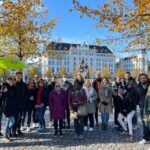
You’ll start at Café Fiol and cover the center with a private guide limited to 10 people, which keeps questions from getting lost. You’ll also spend time where you can actually slow down—canal houses in Nyhavn, the medieval atmosphere around Amagertorv, and the Danish parliament area at Christiansborg Palace.
In This Review
- Key Highlights Worth Your Time
- Café Fiol Meet-Up And Why 10 People Changes Everything
- Nyhavn Canal Houses: What You Notice When Someone Explains It
- Amagertorv Square: A Medieval Center That Still Feels Alive
- Christiansborg Palace: Denmark’s Politics In Plain Sight
- Beyond the Big Names: Lesser-Known Streets And the Little-Moment Payoff
- Pacing, Weather, And What To Wear For 3 Hours
- Price And Value: Is $75 Worth It For A Walking Tour?
- Who This Tour Suits (And Who Should Skip It)
- Should You Book This Copenhagen City Highlights Walk?
- FAQ
- How long is the Copenhagen guided city highlights tour?
- How much does it cost, and what’s included?
- Where do I meet the tour?
- What group size should I expect?
- Is the tour offered in English?
- Does the tour run in bad weather?
- Is the tour suitable for people with mobility impairments?
Key Highlights Worth Your Time
- Café Fiol start point in the middle of things, so you’re not hunting for transit right away
- Nyhavn canal-side houses with context, not just photos
- Amagertorv’s medieval feel and why it mattered to Copenhagen
- Christiansborg Palace area, including what you’re looking at and why it’s important
- English guide storytelling that answers questions on the move
- Rain or shine, with the tour continuing even when the weather has opinions
Café Fiol Meet-Up And Why 10 People Changes Everything
The tour meets in front of the Café Fiol coffee shop. That matters more than it sounds, because you’ll begin right in the thick of Copenhagen instead of spending your first minutes figuring out where to be.
The group limit is 10, and it shows. With a smaller crowd, you get real back-and-forth—especially when you ask about Danish life today, not just old dates. Guides on this route are consistently praised for friendly, approachable hosting and for keeping everyone engaged instead of powering through a script.
There’s also one practical note: large luggage isn’t allowed. If you’re moving with a big bag, plan to store it before you go.
Other guided tours in Copenhagen


Nyhavn Canal Houses: What You Notice When Someone Explains It
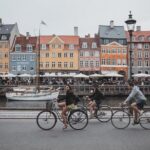
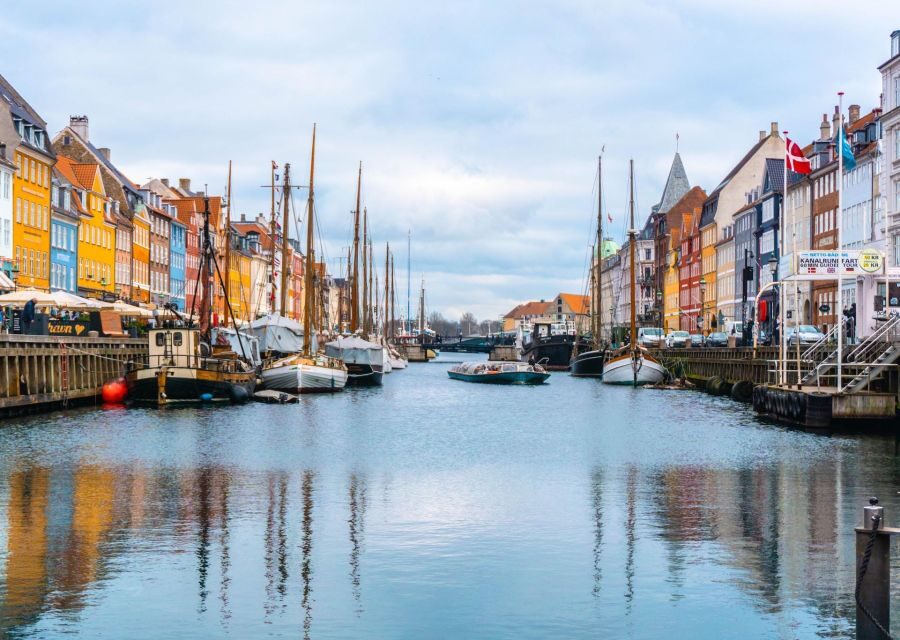
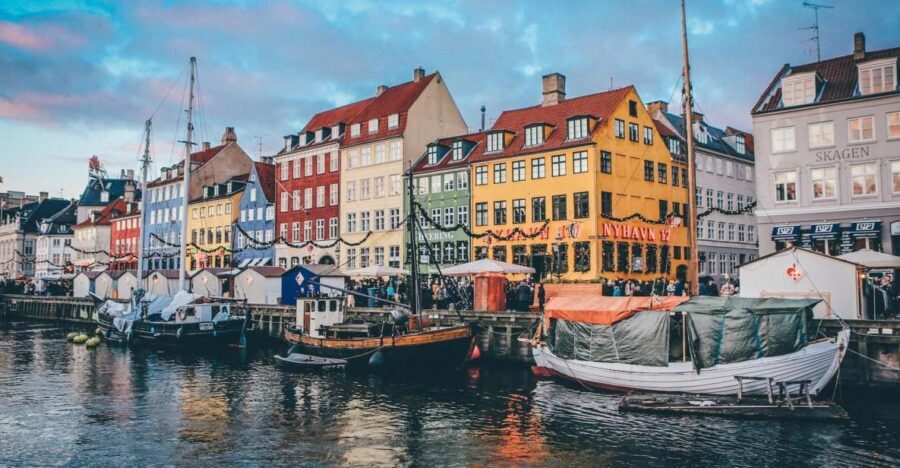
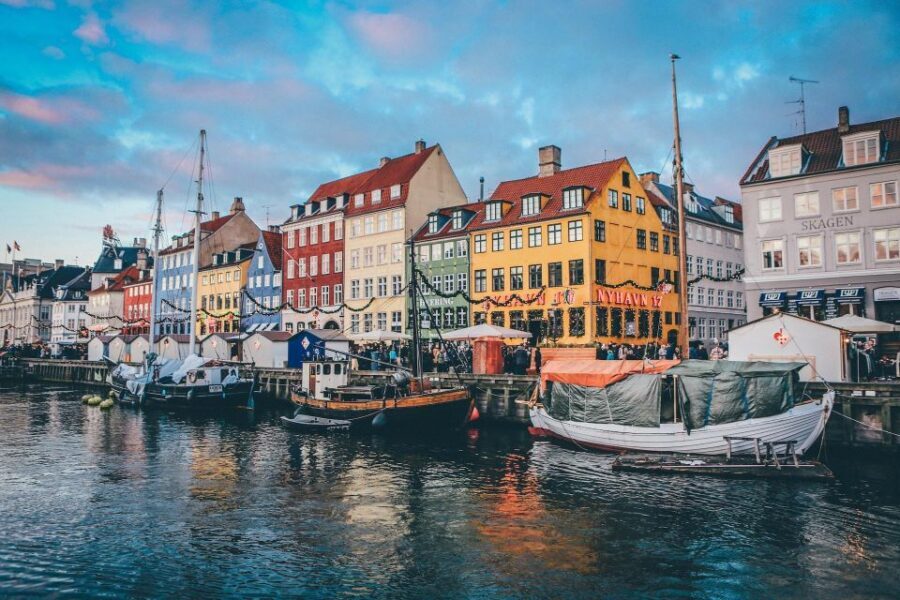
Nyhavn is the easy-to-find highlight, but this tour makes it easier to understand what you’re actually seeing. You’ll walk the canalside with the colorful houses in view, and your guide ties the scene to stories about the city and how it developed.
What I like about this part is the “look closer” feeling. If you’ve ever stood by a pretty canal and wondered why it looks the way it does, this is where the tour helps: you’re not only photographing buildings, you’re learning why this stretch became so recognizable and how Copenhagen’s identity formed around areas like this.
This is also a spot where questions flow naturally. People ask about Danish design, daily life near the water, and how the city balances tourism with locals moving through the same streets.
Amagertorv Square: A Medieval Center That Still Feels Alive
Next comes Amagertorv, a medieval square that gives you a different scale than the canals. The key value here is time and context. Your guide explains what makes the square’s history matter and how it fits into Copenhagen’s story as a working city, not only a postcard.
This stop works well even if you’re short on attention. A guide can point out architectural clues and explain civic life in plain language, so the square stops being a name on a map.
One small planning consideration: squares like this can involve uneven walking surfaces. If you’re sensitive to cobblestones, bring shoes with grip and comfort built in.
Christiansborg Palace: Denmark’s Politics In Plain Sight

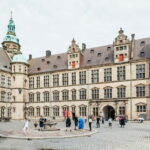
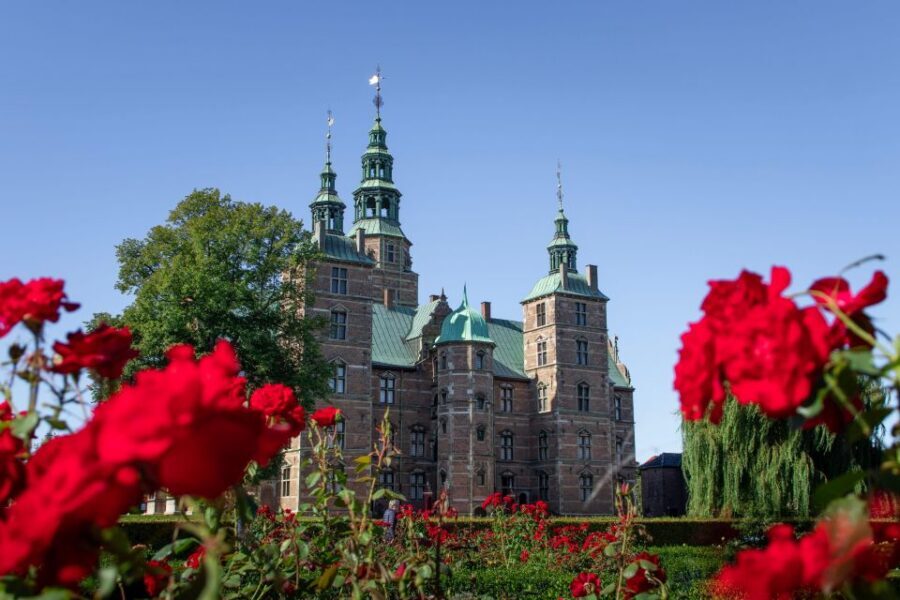
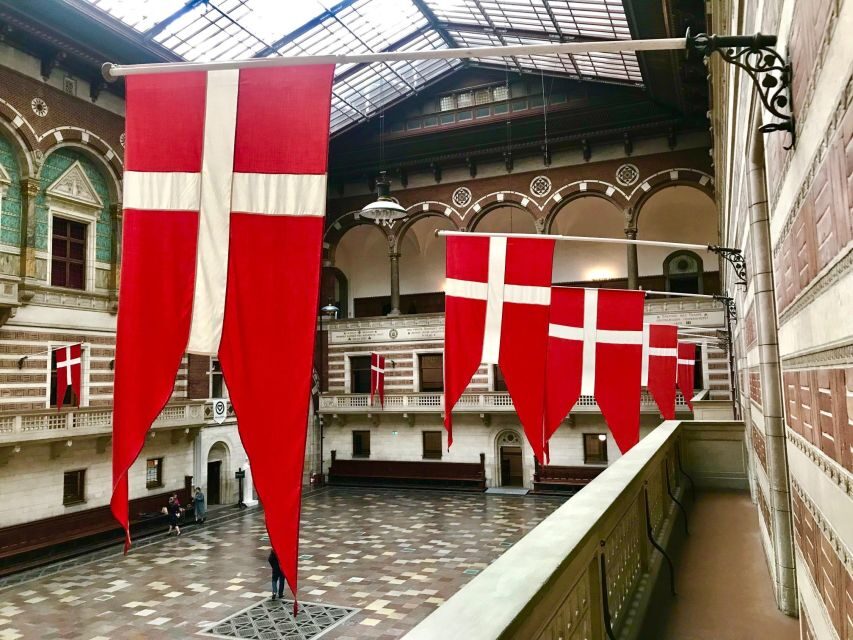
Christiansborg Palace is where the tour pivots from city “vibes” to civic power. Your guide shows you the parliament-related landmark area and explains how it connects to modern Denmark.
This is a useful stop because Copenhagen can feel like a design capital—clean lines, bikes, canals—until you connect it to governance and institutions. Standing in the right place with the right context makes the city’s seriousness feel just as interesting as its beauty.
If you like history that connects to present-day life, this is one of the best “why it matters” moments on the walk. It’s not just where something historic happened; it’s where Denmark’s political reality sits.
Beyond the Big Names: Lesser-Known Streets And the Little-Moment Payoff
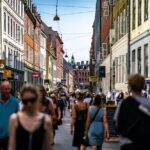
After the core landmarks, the tour heads off the more obvious tourist trail into lesser-known districts. That’s where you get the most useful “I’ll know my way around” feeling for the rest of your trip.
You may also get commentary on recognizable Copenhagen icons along the route, including the Little Mermaid. The tour doesn’t treat that kind of stop as a photo checkpoint. Instead, you get context that helps you understand why the landmark is talked about—and why it draws people in even after the novelty wears off.
A recurring praise point across guides is how they answer questions calmly and keep the group moving at a pace that works for real people. Some guides even help with practical next steps, like where to go after the walk or how to use public transport—extra support that can save you time later.
Other city tours we've reviewed in Copenhagen

Pacing, Weather, And What To Wear For 3 Hours
This tour runs rain or shine. That sounds standard, but what matters is the experience keeps going even when the weather changes fast—so you’re not paying for a fair-weather fantasy.
For what to bring, you’ll want:
- comfortable shoes (non-negotiable for 3 hours)
- warm clothing, especially in cooler months
- rain gear if skies look unsure
- weather-appropriate layers
One review-style theme that comes up often: plan for sore feet after 3 hours. Copenhagen is walkable, but you’re still on streets, sometimes with cobblestones and typical city unevenness.
If you hate long breaks, keep expectations realistic. A few guests noted that coffee stops can eat into time. If you prefer pure walking, you can ask your guide what to expect for the schedule on that particular day.
Price And Value: Is $75 Worth It For A Walking Tour?
At $75 per person for a 3-hour small-group walking tour, the big question is value for your time. Here’s what you’re buying: a guided path through the center with an English-speaking local who explains what you’re seeing and helps you connect the dots between landmarks.
Compared with self-guided wandering, you’re paying for:
- guided context at each stop (so sights feel meaningful)
- a smaller group that makes questions easier
- a mix of icons plus quieter areas to build orientation
- a pace that avoids the rushed, cattle-car style you often see in larger tours
This tour also doesn’t include entry tickets. That’s actually good value for some people, because it keeps your time from being absorbed by lines and ticketing. You’re focused on walking, interpreting, and getting your bearings fast.
If you only have part of a day (or you want a strong start on day one), this price can make sense because it compresses a lot of context into just three hours.
Who This Tour Suits (And Who Should Skip It)
This is a smart choice if you:
- want an introduction to Copenhagen without planning every stop
- enjoy history explained in everyday language
- like the idea of seeing both major landmarks and quieter districts
- want a small group experience with room for questions
It’s not suitable for people with mobility impairments, and it’s not a good match if you’re traveling with lots of luggage.
If you already know Copenhagen well, this might feel like repetition. But for first-timers—or anyone who wants a clearer mental map of the city’s center—it’s a solid, practical way to spend a morning.
Should You Book This Copenhagen City Highlights Walk?
I’d book it if you want a guided start that blends famous sights with context you can actually use, and you like the idea of a small group limited to 10. The standout strength is the guide experience—friendly hosting, clear explanations, and stories that make Copenhagen feel more coherent than a list of monuments.
Skip it if you don’t handle walking well or you need accessibility accommodations. Also consider your tolerance for minor schedule interruptions; if you’re trying to maximize uninterrupted sight time, ask your guide how breaks are handled that day.
If you land in Copenhagen with only a short window, this is the kind of tour that helps you explore the rest on your own with far less guessing and more confidence in where to go next.
FAQ
How long is the Copenhagen guided city highlights tour?
The tour lasts 3 hours.
How much does it cost, and what’s included?
It costs $75 per person, and the tour includes a tour guide and the walking tour itself. Entry tickets are not included.
Where do I meet the tour?
Meet in front of Café Fiol coffee shop.
What group size should I expect?
The group is limited to 10 participants.
Is the tour offered in English?
Yes, the live guide speaks English.
Does the tour run in bad weather?
Yes, it operates rain or shine.
Is the tour suitable for people with mobility impairments?
No, it is not suitable for people with mobility impairments.