REVIEW · COPENHAGEN
Copenhagen & Christiansborg Palace Private Walking Tour
Book on Viator →Operated by OURWAY Tours - Copenhagen · Bookable on Viator
Three hours in Copenhagen beats wandering alone. This private walking tour strings together the city’s big hits with a local guide, so you see Nyhavn up close and end inside Christiansborg Palace without the guesswork.
I really like the pacing: short stops at several famous squares and churches, then a longer, pay-off visit at Christiansborg. Plus, the guide helps you connect the dots between royal power, street life, and Danish design. One consideration: Rosenborg Castle and the Round Tower ticketed entries are listed as not included, so plan a bit extra if you want to go inside those too.
In This Review
- Key points that make this tour worth your time
- A Copenhagen walking route that feels organized (not rushed)
- Nyhavn: why this waterfront still pulls its weight
- Kongens Nytorv: where the equestrian statue anchors the royal story
- The King’s Garden: Renaissance geometry in the middle of Copenhagen
- Rosenborg Castle: where royal everyday life meets the crown jewels
- The Round Tower: Tycho Brahe’s science lives on
- Gråbrødetorv and the Stone of Shame: a darker story in a pretty square
- Helligåndskirken: why an old church can still surprise you
- Strøget: pedestrian shopping street with real city energy
- Højbro Plads and Bishop Absalon: history parked in plain sight
- Christiansborg Palace: the indoor finish that hits the main themes
- Price and what $409.41 buys you in real life
- Logistics that matter: how to plan your day around the walk
- Who this tour fits best (and who may prefer something else)
- Should you book this private Copenhagen walk?
- FAQ
- How long is the Copenhagen and Christiansborg Palace private walking tour?
- Where does the tour start?
- Where does the tour end?
- Is Christiansborg Palace entrance included?
- Are entrance fees included for all stops?
- What sights will I see during the walk?
- Is the tour private?
- Does it run in bad weather?
- What happens if Christiansborg Palace is closed?
Key points that make this tour worth your time
A private format means you control the questions—and the guide can tailor explanations to your pace.
Entrance is included at Christiansborg Palace, which is where the tour’s biggest indoor moment happens.
You get a tight walking route (about 3 hours) that hits Nyhavn, Strøget, and multiple historic squares.
Some major interiors cost extra, since Rosenborg Castle and the Round Tower are not listed as included.
Weather-proof planning: it runs in all weather, so you’ll want comfortable layers.
Christiansborg can be swapped for Rosenborg Castle if the palace is closed for official royal functions.
A Copenhagen walking route that feels organized (not rushed)
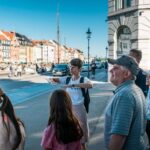
Copenhagen is easy to like and also easy to overdo. You’ll walk a lot on this tour, but it’s not a marathon. Expect a steady rhythm of quick, meaningful stops—mostly around 5 to 10 minutes each—so you don’t get stuck in one place while the rest of the story passes you by.
The payoff is that the route covers both “postcard” Copenhagen and the parts that explain how the city grew. You’ll start in the waterfront zone, then move through royal spaces, old churches, and the shopping street, ending with a major power-and-art stop at Christiansborg Palace.
And yes, it’s a private tour—so it’s not just a headset narration. You’ll have a professional guide who can slow down when something catches your attention. In one earlier set of feedback, a guide named Julie stood out for knowing lots of historical facts and making sure the key locations were covered.
Other Danish castle tours we've reviewed in Copenhagen

Nyhavn: why this waterfront still pulls its weight
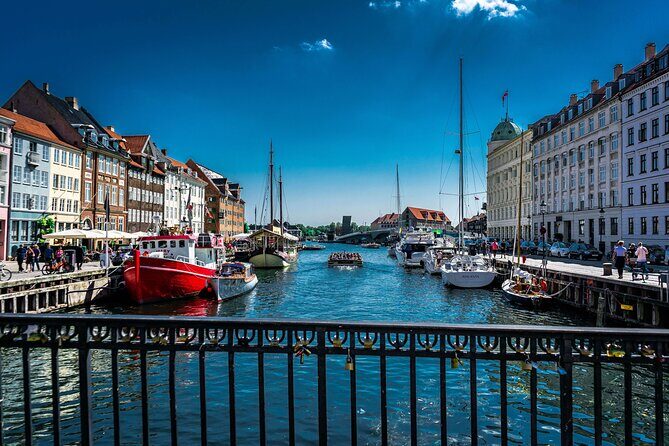
Nyhavn is where Copenhagen turns instantly human. The buildings around the canal are nearly 350 years old, and the area has been renovated to look more colorful than the gloomier vibe you might expect from old harbors. In the 1970s, the street became pedestrian, which is a big reason it feels walkable rather than like you’re just passing through.
There’s also the famous nickname: the longest outdoor bar in Scandinavia. That’s not a marketing slogan you should ignore. Nyhavn’s mix of restaurants, pubs, and cafés is open 24 hours a day, so the street feels alive even when you’d expect it to quiet down.
One fun historical detail to keep on your radar: Nyhavn was also home to Hans Christian Andersen. So as you look at the buildings and the canal edge, it’s worth imagining the city as a stage—stories first, shipping second, both overlapping.
Practical note: you’ll only spend a short moment here on foot. That’s fine. Nyhavn is so distinctive that a quick look plus context gets you oriented for later wandering.
Kongens Nytorv: where the equestrian statue anchors the royal story
Right near Nyhavn, you’ll reach Kongens Nytorv (King’s New Square). The centerpiece is an equestrian statue of King Christian V, and the square itself was built under his direction. That’s the kind of detail that turns an open space from just scenery into something you can read like a map.
Around the square, you’ll spot buildings that show how royal Copenhagen and modern life share the same blocks. The Magasin du Nord flagship store sits here, and the Hotel d’Angleterre is another landmark. The hotel has hosted a long list of famous names over the years, including Winston Churchill, Bill Clinton, Ozzy Osbourne, and Neil Diamond.
The short stop makes sense: this square is best understood by seeing it quickly and then moving on. If you like cities that explain themselves in layers, this is a good one.
The King’s Garden: Renaissance geometry in the middle of Copenhagen
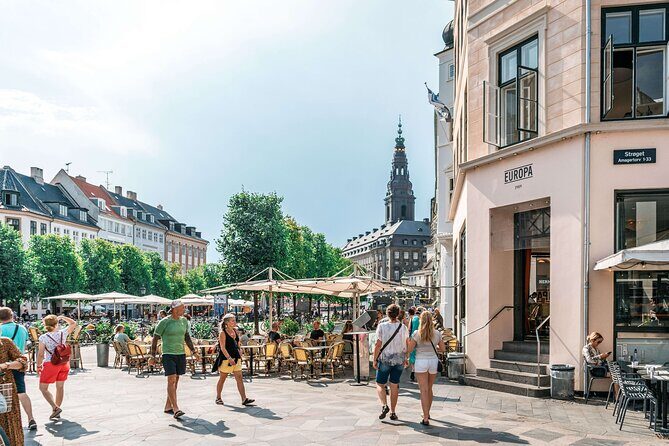
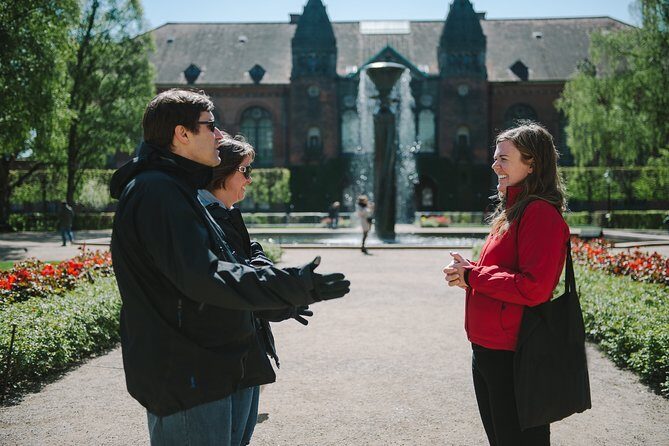
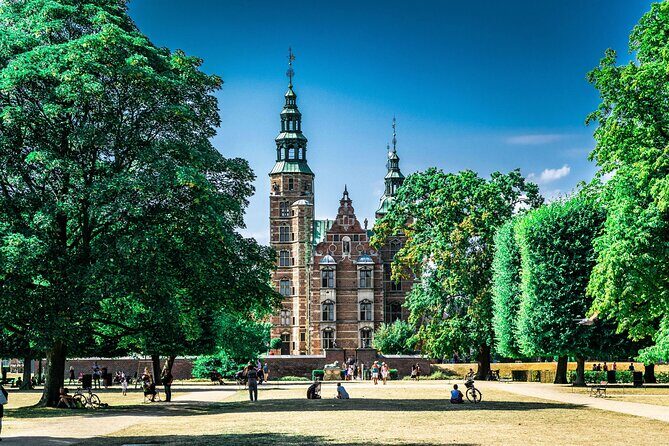
Next comes the King’s Garden, which is the oldest park and royal garden in the city. Christian IV established it, and it’s designed in a Renaissance style. Even if you’re not a garden person, this works because it gives you a breath of calm between the crowds and the big museum-ticket areas.
Think of it as a reset button. After waterfront energy and city squares, the park helps your brain switch gears from street level to royal-age planning. You’ll get the “what it is” context without losing time.
This is also one of those stops where you can just stand still for a moment. The tour keeps moving, but it’s nice to pause and notice the garden’s structure.
Rosenborg Castle: where royal everyday life meets the crown jewels
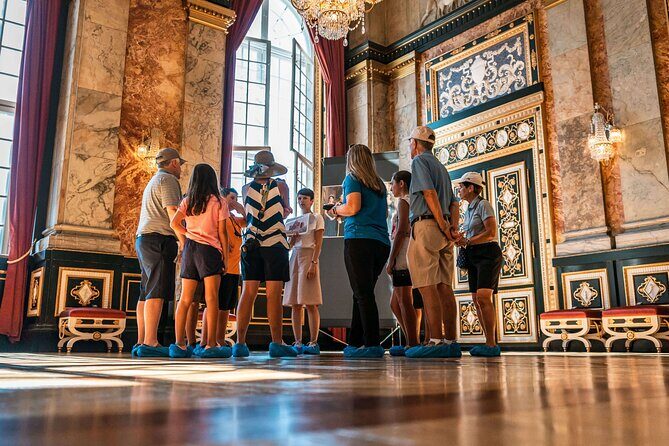
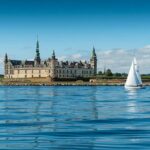
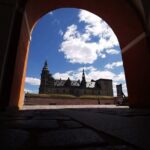
Rosenborg Castle is built as a summer residence for Christian IV, and that single detail changes what you expect inside. This isn’t just a fortress. It’s a place built for royal living, with all the everyday and festive elements that come with it.
The reason many people care most, though, is the crown jewels. Rosenborg is where the Danish crown jewels are kept, and they have a special claim to fame: they are the only crown jewels in the world that are both displayed as museum exhibits and worn by royalty.
Worth planning around: admission at Rosenborg Castle is not included in this tour’s package details. The stop is short, so you may only get an exterior feel unless you pay for entry (or if you choose to prioritize it during your tour time).
If your dream list includes seeing the crown jewels in person, I’d treat Rosenborg as a “yes, budget for it” stop. If you’d rather focus on the free-view parts and save time, you can still enjoy the setting and the story without buying the ticket.
Other Christiansborg Palace tours we've reviewed in Copenhagen

The Round Tower: Tycho Brahe’s science lives on
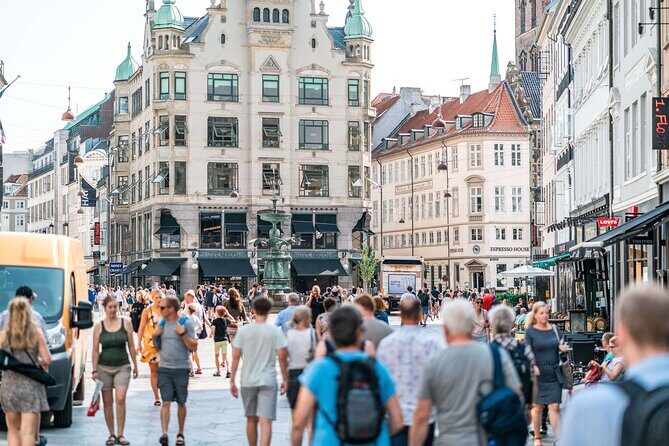
The Round Tower (Rundetårn) is one of those Copenhagen sights that makes the city feel more serious, in the best way. It was built in the 1600s and is described as the oldest observatory in Europe still functioning.
Even if you don’t go inside, it’s worth understanding the human brain behind the place. The Danish astronomer Tycho Brahe developed the Tychonian system—an in-depth model of the solar system that was advanced for its time.
Just like Rosenborg, Round Tower admission is listed as not included. The tour stop here is short, so you’ll want to decide whether you want the extra ticket time based on how much science history matters to you.
Gråbrødetorv and the Stone of Shame: a darker story in a pretty square
Gråbrødetorv, also called the Grey Friars Square, is visually charming—but it’s named after a Franciscan monastery that once stood there. Names in Copenhagen often carry layers, and this one does.
This square is home to the Stone of Shame. The original stone is kept at the Natural History Museum, but the story belongs here too: it’s connected to Leonora Christina, the daughter of Christian IV.
This is one of the stops that works well on a walking tour because the context doesn’t just add trivia. It changes how you look at the square. You stop seeing it as a photo spot and start seeing it as a clue to Copenhagen’s legal and religious history.
Helligåndskirken: why an old church can still surprise you
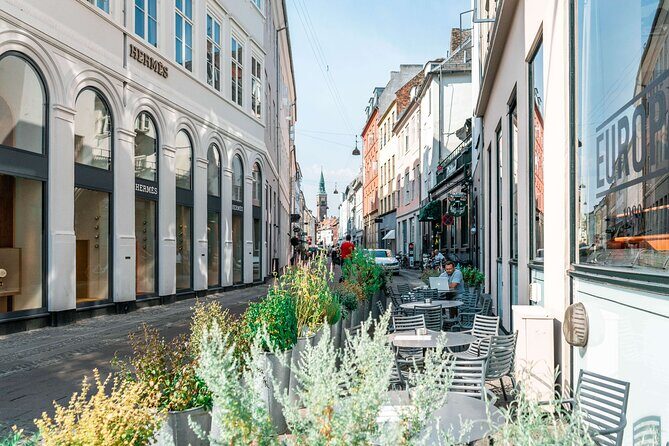
Next is the Church of the Holy Spirit, Helligåndskirken. It’s one of Copenhagen’s oldest churches and was built in the 1200s. One detail that helps it feel less like a static landmark: originally, there was no tower.
That kind of fact matters because it trains your eye. Instead of looking only at the present-day shape, you start mentally comparing how the building likely changed over time.
Admission here is listed as free for the tour context, so this is a strong stop if you want a quiet moment without paying more.
Strøget: pedestrian shopping street with real city energy
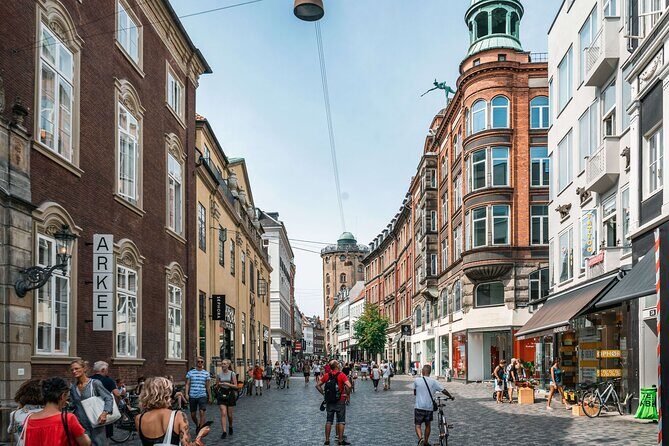
Strøget is Copenhagen’s and one of Europe’s longest pedestrian streets: 1.11 kilometres. It runs from near the Town Hall toward Kongens Nytorv near Nyhavn. People come for shopping, and yes, you’ll find plenty of it—everything from mainstream stores to the kind of brands you expect in a major capital.
But the street is also known for street performers. During your short stop, you may catch acrobats, magicians, or musicians. This is where Copenhagen feels most like a living stage rather than a museum with sidewalks.
Since the tour gives you a brief slice, treat it like an orientation point. You’ll learn where the center of the action sits, and you can always come back later if you want longer shopping or just people-watching.
Højbro Plads and Bishop Absalon: history parked in plain sight
Højbro Plads is built after the great fire of Copenhagen in the 1700s, so it’s tied to the city’s rebuilding era. The square includes an equestrian statue of Bishop Absalon, who is described here as the founder of Copenhagen.
There’s also a seasonal angle: Højbro Plads hosts one of Copenhagen’s many Christmas markets in wintertime. If your trip lands in colder months, this becomes more than a historical snapshot—it’s a practical place to look for local market atmosphere.
The tour stop is short, but the details give the square meaning. That’s the main value: you stop seeing squares as random open areas and start recognizing them as curated stories.
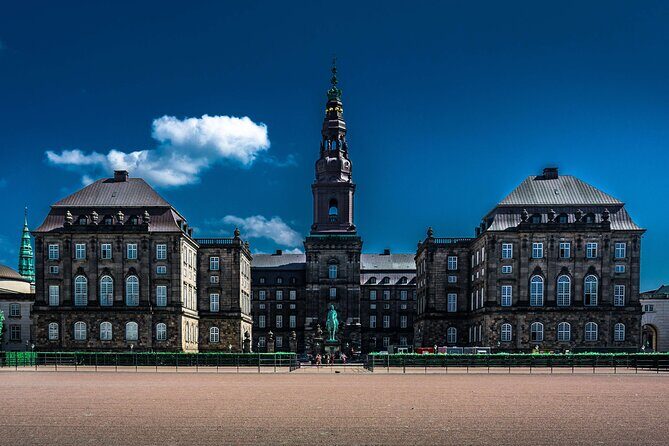
Christiansborg Palace: the indoor finish that hits the main themes
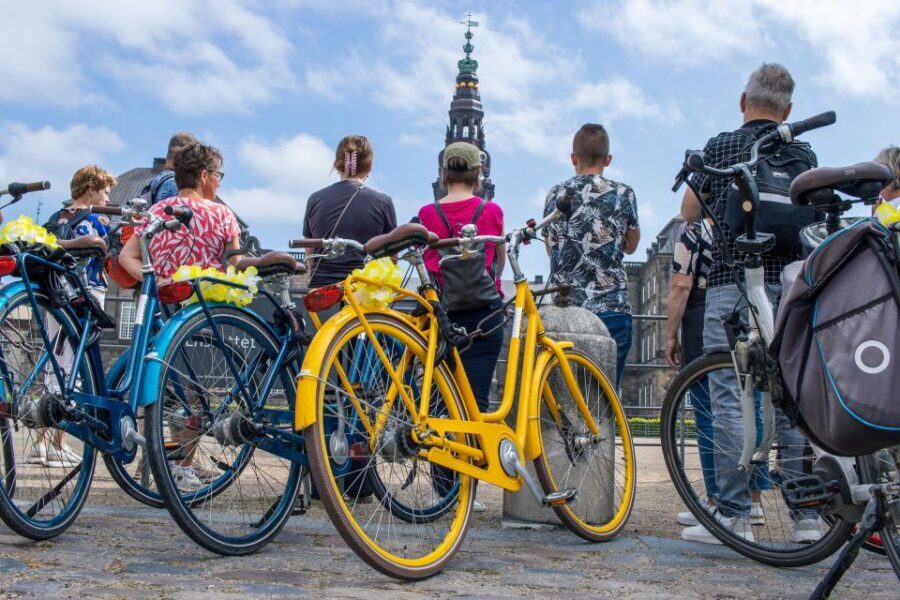
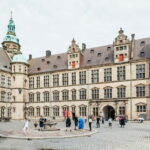
This is where your tour makes its biggest move. Christiansborg Palace is the seat of Danish Parliament today, and it also works as an art-collection stop. You’ll spend about an hour inside.
One highlight you should know going in: you won’t want to miss the Queen’s Tapestries. Even if you don’t have a formal background in textiles or royal art, tapestries are one of those museum formats that turns room lighting into atmosphere—and they’re the kind of detail that helps you feel what a palace is, not just what a palace looks like.
Entrance here is included, which helps the value. It also avoids the “add-on ticket fatigue” that can happen on a multi-stop day.
There’s one more practical point: the palace may be partially or fully closed due to the King’s official functions. If that happens, the operator reserves the right to swap the visit to Christiansborg Palace with Rosenborg Castle. That’s good planning on their side, but it also means you should keep your expectations flexible—especially if crown jewels are your number one priority.
Price and what $409.41 buys you in real life
At $409.41 per person, this is not a budget walking tour. For a private experience, you’re paying for time with a professional guide, a route designed to make sense on foot, and an included entry at Christiansborg Palace.
So what’s the value angle?
- You’re not just paying for access. You’re paying for an order to the day. Nyhavn to royal gardens to churches to Strøget to parliamentary palace is a coherent story, not a list of random stops.
- You get an included indoor visit at Christiansborg, which helps offset the cost compared to tours that are mostly exterior-only.
- You get flexibility through a private group format. If someone wants more context at a church square or asks about the science behind the Round Tower, the guide can respond on the spot.
The main “cost surprise” risk is ticketing: Rosenborg Castle and the Round Tower are listed as not included. If you plan to enter both, your total spend can grow. If you’re the type who enjoys stepping inside major landmarks, budget for that early rather than at the counter.
Logistics that matter: how to plan your day around the walk
This tour runs about 3 hours and is offered in English. It’s designed for moderate physical fitness, and you should dress comfortably for all-weather operation.
A couple of planning tips that will make your day smoother:
- Wear shoes you trust. This is a walking tour with multiple short stops, not a slow stroller stroll.
- Bring a light layer even in mild weather. Copenhagen’s weather can shift fast, and you’ll spend time outdoors between indoor sites.
- Aim to arrive at the meeting point with a little buffer. The start is Nyhavn 1F, 1051 København. The end is inside Christiansborg Palace (with about a 10-minute walk back toward Nyhavn).
Also, if you’re scheduling other activities the same day: consider that your finish is inside a major palace site near central Copenhagen. It’s convenient for continuing sightseeing, but you’ll want to give yourself some slack for walking out and regrouping.
Who this tour fits best (and who may prefer something else)
This is a smart choice if you want:
- A first-time orientation to Copenhagen without wasting time figuring out where things are.
- A guided story that connects royal power, historic street life, and the city’s major landmarks.
- A private format where your questions get answered in plain language.
It may be less ideal if:
- You want long museum-style time at multiple ticketed attractions. Several stops are brief, and you’ll need extra tickets for Rosenborg and the Round Tower if you want full interior access.
- You’re trying to keep a strict budget and don’t want additional entrance costs.
Should you book this private Copenhagen walk?
Yes, I’d book it if you value a guided, organized route and you want Christiansborg Palace as a centerpiece. The included entry there is a real win, and the stop selection gives you a strong overview of what makes Copenhagen feel both royal and everyday.
If crown jewels and observatory time are top priorities, decide ahead of time whether you’ll pay for Rosenborg Castle and the Round Tower interiors. The tour itself is built for flexibility, but your wallet will notice those extra tickets.
For a couple, small group of friends, or anyone who likes learning as they walk, this is a solid way to get your bearings fast and then roam with confidence the rest of your trip.
FAQ
How long is the Copenhagen and Christiansborg Palace private walking tour?
It’s about 3 hours.
Where does the tour start?
It starts at Nyhavn 1F, 1051 København, Denmark.
Where does the tour end?
The tour ends inside Christiansborg Palace.
Is Christiansborg Palace entrance included?
Yes. The Christiansborg Palace entrance fee is included, and you’ll visit for about an hour.
Are entrance fees included for all stops?
Not all. Christiansborg is listed as included, while admission for Rosenborg Castle and the Round Tower is listed as not included.
What sights will I see during the walk?
You’ll pass key Copenhagen landmarks including Nyhavn, Kongens Nytorv, the King’s Garden, Rosenborg Castle area, the Round Tower, Gråbrødetorv, Helligåndskirken, Strøget, Højbro Plads, and Christiansborg Palace.
Is the tour private?
Yes. It’s a private tour/activity, so only your group participates.
Does it run in bad weather?
Yes, it operates in all weather conditions. You should dress comfortably and appropriately.
What happens if Christiansborg Palace is closed?
If the palace is partially or fully closed due to the King’s official functions, the operator may swap the visit with Rosenborg Castle.