REVIEW · COPENHAGEN
Copenhagen Card – DISCOVER 80+ attractions and public transport
Book on Viator →Operated by Wonderful Copenhagen · Bookable on Viator
One card, many Copenhagen doors. The Copenhagen Card lets you bundle major attractions with free public transport, so your days run on curiosity instead of ticket math. I especially like that it covers big hitters like Copenhagen Zoo and Tivoli Gardens, and it also throws in royal interiors at Amalienborg Palace Museum and major museum anchors like Rosenborg Castle. One catch: the card is tied to your phone, and a few experiences require planning ahead.
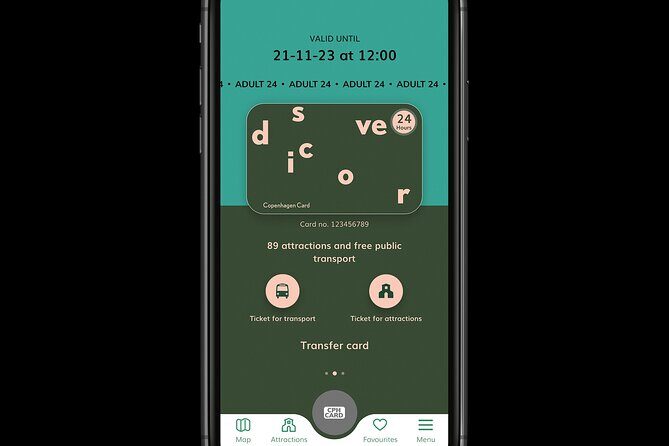
This pass is simple in concept: pick the number of hours (24, 48, 72, 96, or 120), then activate it in the Copenhagen Card app by entering your barcode number. Your time starts counting when you first use the card, so I recommend activating it right when you’re ready to ride or enter something. You also get a city map, which helps when you’re hopping between canals, castles, and museums.
You’ll get the most value if you build a day around “walk, ride, enter, repeat.” It works well for families too, since kids 3–11 can ride for free with the card rules, as long as you add free kids cards to your order. The downside is that you do have to check opening hours and any required pre-booking, especially for popular towers and timed visits.
In This Review
- Key things I’d plan around
- How the Copenhagen Card works in real life
- Price and value: when $95.96 pencils out
- Getting around for free: Metro, trains, buses, and canal time
- Top Copenhagen stops: zoo, Tivoli, Rosenborg, and the canal
- Royal Denmark: Christiansborg, Amalienborg, and Our Saviour’s tower steps
- Castles beyond Copenhagen: Kronborg and Frederiksborg
- Art, design, and science: SMK, Glyptotek, design museums, and planetarium
- Quirky and hands-on history: war, resistance, ships, submarine, and more
- Carlsberg, books, and body science: Home of Carlsberg, Royal Library, and Medicinsk Museion
- Museums for rainy days and quick hits: churches, posters, pop music, and classics
- Day trips the card can cover: Louisiana, Viking ships, Roskilde, Lejre, and Karen Blixen
- So, who should buy the Copenhagen Card Discover 80+?
- My quick decision: should you book it?
- FAQ
- How long is the Copenhagen Card Discover option valid?
- Is the card physical or digital?
- What does the card include besides attraction entry?
- Which attractions are included?
- Do I need to pre-book any included experiences?
- Is the church entrance at Our Saviour’s free?
- Can kids travel for free with the card?
- Is cancellation possible after booking?
- What if I lose my phone after activating the card?
- Is the experience accessible for most visitors?
Key things I’d plan around

- Digital-only activation in the app: you enter a barcode code, then use it for entry and transport.
- Starts counting when you first use it: choose your hours based on how many full days you’ll actually go out.
- Transport matters as much as museums: buses, trains, and Metro turn the city into an easy loop.
- A mix of classics and curveballs: palaces and castles alongside science, art, war history, and even a submarine.
- Some experiences need pre-booking: tower climbs and certain special visits aren’t just walk-up.
- Day-trip range is real: Louisiana, Kronborg, Roskilde, and Frederiksborg can soak up half a day fast.
How the Copenhagen Card works in real life
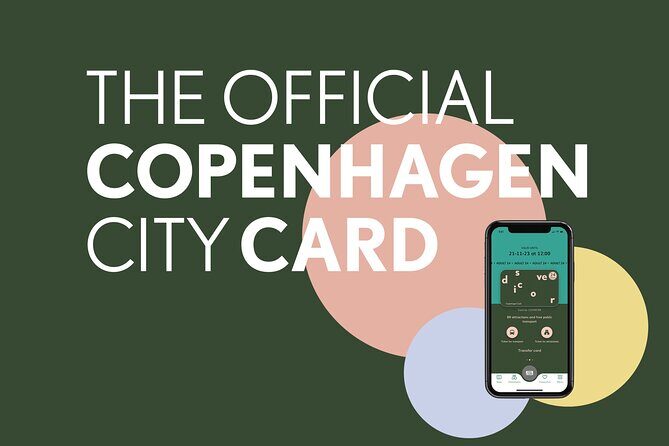
The Copenhagen Card Discover 80+ attractions is designed around one idea: you show the card (via the app) and you go. On booking, you choose 24, 48, 72, 96, or 120 hours. Once you arrive, you download the Copenhagen Card app and enter the barcode number to redeem your card.
Timing is everything. The card is valid for the stated number of hours starting from when you first use it. That means if you activate it before you’re ready to explore, you can shorten your effective sightseeing time. If you activate it at the right moment, it feels like Copenhagen gives you a head start.
One more practical point: this is 100% digital. There’s no physical card. Also, once activated, the card is personal and non-refundable, and there are no replacements if your phone is lost or broken and you can’t access the card. I’d keep your phone battery topped up and avoid relying on a dying device.
Other Copenhagen city cards and passes we've reviewed in Copenhagen


Price and value: when $95.96 pencils out
The price you pay depends on the version you buy and the number of hours, but the value logic is the same. Copenhagen is not a budget city, and the card is at its best when you stack multiple ticketed attractions plus frequent transit.
Here’s how I’d make the decision quickly:
- Pick the “must-dos” you actually want, not just what sounds fun in a list.
- Aim to include at least a few major indoor attractions plus one outdoor classic (zoo or Tivoli).
- Add a couple transit rides that would otherwise be paid separately, since the card covers buses, trains, and Metro across the Copenhagen region.
In expensive cities, the math can work fast. If your plan is more like one museum and a stroll, you might still enjoy the card—but you’ll feel the cost more. If your plan is a “busy” Copenhagen style visit, the card tends to stop being optional and turns into the default.
Getting around for free: Metro, trains, buses, and canal time
Public transport is a big part of why this card feels worth it. It includes free travel on the city’s buses, trains, and Metro services in the Copenhagen region. That matters because many of the included sights aren’t all in one tight block. You can save time (and energy) by riding instead of doing every hop on foot.
One tip from experience of navigating Copenhagen transport: the system has different train types, and it can take a moment to tell what’s what. If you plan to use it heavily, take five minutes to understand how you’ll get from your hotel area to places like Nørreport, the waterfront, or the north-side stops.
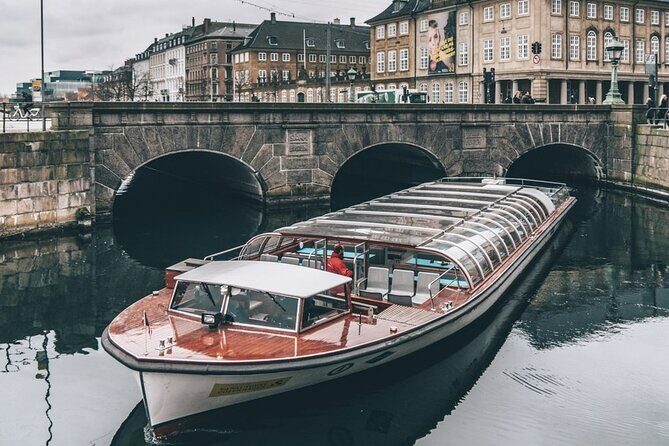
And don’t forget the water. The card includes Stromma Canal Tours, giving you a canal cruise option that fits naturally between museums. It’s a great “reset” when you want views without more walking.
Top Copenhagen stops: zoo, Tivoli, Rosenborg, and the canal
If you only use the card for a handful of places, these are the ones I’d point you toward first.
Copenhagen Zoo (more than 4,000 animals)
This is a full-on outing with state-of-the-art facilities and animals from around the world. With an included ticket slot of about 1 hour, you’ll want to choose a few areas rather than trying to see everything in a rush. The zoo can eat time, so I’d treat it as a structured visit, not a casual stroll.
Tivoli Gardens (an old-school classic amusement park)
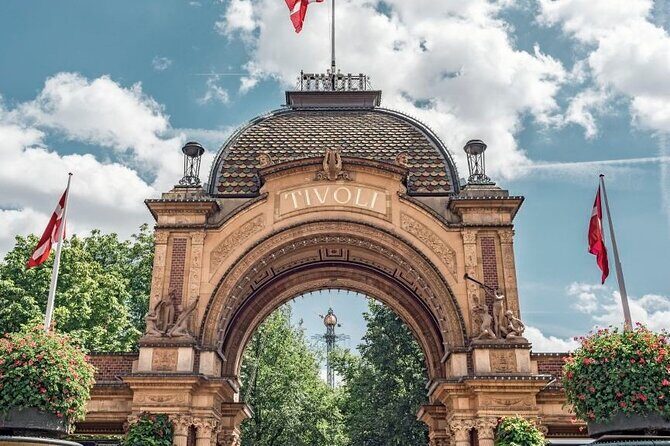
Tivoli is one of Europe’s oldest amusement parks, and it’s one of those places where the atmosphere does half the work for you. The card gives you admission for about 1 hour, so it’s best if you’re ready to pick a few rides or plan a quick wander through the park. Weather and opening patterns can affect your pace.
Rosenborg Castle (Crown Jewels and Danish royal power)
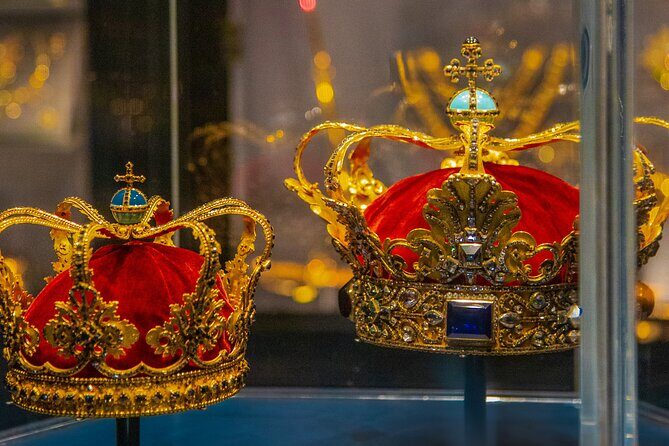
Rosenborg is a top Copenhagen stop because it turns monarchy into something you can actually walk through. It’s included for about 1 hour, and that time is usually enough to see the main highlights without feeling chased. Go early or late in the day to avoid the crowd crush.
Stromma Canal Tours (Copenhagen from the water)
The canal cruise is included and typically about 1 hour. It’s an easy way to connect different neighborhoods and spot landmarks you’ll later recognize on foot. If you’re dealing with wind or rain, you may want to keep this as a flexible anchor so you can swap it with indoor time.
Royal Denmark: Christiansborg, Amalienborg, and Our Saviour’s tower steps

Copenhagen’s royal sites feel different from one another, and the card gives you access to that contrast.
Christiansborg Slot (the official seat of the Queen)
This is a major royal complex, included for about 1 hour. It’s a good stop when you want the official Denmark side of the story—less fairytale, more institution.
Amalienborg Palace Museum (recreated palace interiors)
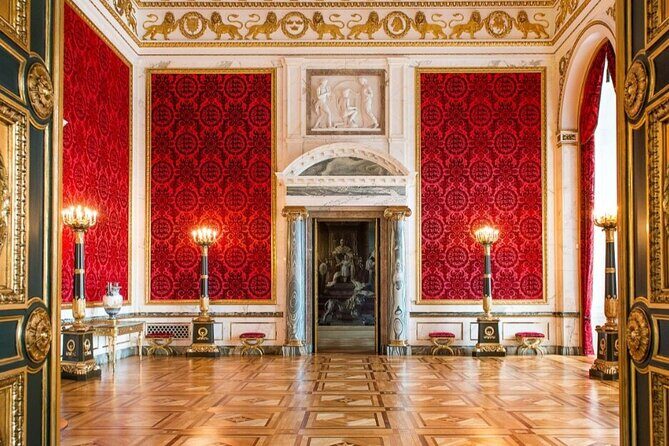
This is where the card can feel extra satisfying. You’re not just seeing a building—you’re stepping into recreated interiors through the Amalienborg Palace Museum. It’s included for about 1 hour, and it pairs well with nearby royal landmarks on the same day.
Our Saviour’s Church (famous church and tower climb)
The church entrance is included and free, and the card coverage here is about 30 minutes. The big practical detail: the entrance is free for everyone, but if you want to climb the tower, you must book in advance. Also, the climb is not symbolic. It’s 400 steps, and it’s a great feeling—just plan for stairs.




Castles beyond Copenhagen: Kronborg and Frederiksborg
Two of the strongest “Denmark feels real now” stops are included outside the city center.
Kronborg Castle in Elsinore (Hamlet country)
Kronborg is a Renaissance castle built 1574–1585, included for about 1 hour. It’s famous worldwide because it’s linked to Hamlet, and standing in this kind of place makes the literature feel less like a school assignment and more like a location. It’s free with the card, but it’s still a day-trip style effort because you’ll spend time getting there.
Frederiksborg Castle (Renaissance grand rooms and national history)
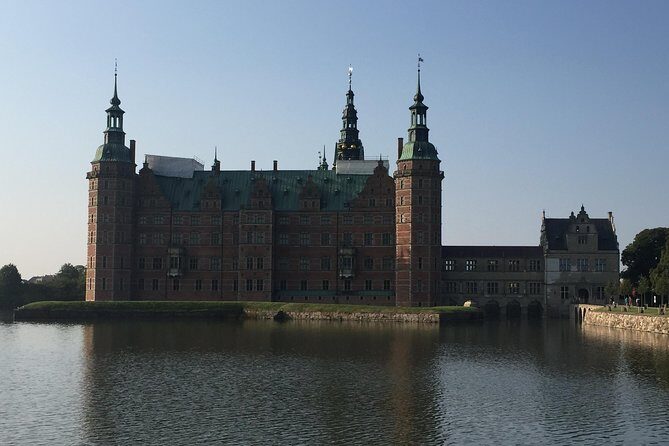
Frederiksborg is in Hillerød, north of Copenhagen, and it’s included for about 1 hour. You’re looking at a museum setup focused on national history housed in a Renaissance castle. The castle experience tends to be best when you give it time to breathe—don’t stack too many stops that require buses or trains afterward.
Art, design, and science: SMK, Glyptotek, design museums, and planetarium
The Copenhagen Card works especially well if you’re doing a mix of art and hands-on learning. It prevents the “museum fatigue” problem because you can switch gears.
SMK – National Gallery of Denmark (seven centuries of art)
SMK is Denmark’s largest art museum and is included for about 1 hour. You’ll see Danish and international art across roughly the last seven centuries, plus special exhibitions and royal collections. It’s a strong pick if you want a central museum that won’t feel like a niche detour.
Ny Carlsberg Glyptotek (Egypt, Greece, and Danish/French art)
This museum combines art and archaeology, including ancient worlds from Egypt and Greece/Rome plus Danish and French art from the 1800s. With about 1 hour, it’s a perfect “greatest hits” museum.
Danish Architecture Center (DAC) in BLOX
If you like architecture that’s part exhibit and part viewpoint, DAC is a solid choice. It’s included for about 1 hour and located in BLOX on the waterfront. You can expect exhibitions, guided tours, and events focused on Danish architecture and design.
Designmuseum Danmark (Danish design as a destination)
Designmuseum Danmark is included and built around Denmark’s design legacy, with works by designers like Finn Juhl and Arne Jacobsen. It’s a great stop when you want something modern and tactile without needing to be an art expert.
Copenhagen Contemporary (installation art in a big industrial shell)
This museum occupies a former B&W welding hall and spreads across 7,000 m². It’s included for about 45 minutes, and the format matters: many installations are designed so you can enter and experience them more bodily than just visually.
Ordrupgaard (French Impressionism plus Danish art)
Ordrupgaard sits about 10 km north of Copenhagen and is included for about 1 hour. It’s known for French Impressionism (Monet, Degas, Gauguin) and Danish art focused on Vilhelm Hammershøi, plus changing special exhibitions. The park setting is part of the draw, so plan to slow down a bit.
Cisternerne (art in an underground water reservoir)
This is a unique one. The cold, humid reservoir space beneath Søndermarken Park becomes a gallery for contemporary art installations. It’s included for about 30 minutes, and the atmosphere can feel like an art version of a catacomb—still enjoyable, just bring a layer if you’re sensitive to cold.
Experimentarium (hands-on science in Hellerup)
Experimentarium is a world-class science center about 6 km north of central Copenhagen, included for about 1 hour. It’s designed for hands-on play, so it tends to work well for families and anyone who likes learning by doing.
Planetarium (8K dome films)
The planetarium experience is included for about 1 hour, and it includes exhibitions plus one movie in the dome. It’s built around a large tilted dome in Europe, with 8K visualization and a strong sound system. It’s a great “weather-proof” stop when the city is grey.
Copenhagen Contemporary, SMK, and Glyptotek make a strong trio if you want art from different angles: classics, archaeology, and modern installation.
Quirky and hands-on history: war, resistance, ships, submarine, and more
Not every included stop is a polite museum. Copenhagen also offers places that feel like you’re stepping inside a story.
Danish War Museum (from the 1500s to today)
Included for about 45 minutes, it covers Danish military history with artifacts ranging from samurai-related items to armor and even modern drones. The focus is on how wars shaped Denmark. It’s a strong option if you want context without reading a library first.
Museum of Danish Resistance (WWII underground experience)
This one is included for about 45 minutes and works like a guided confrontation with occupation-era choices. You meet five historical figures and learn about sabotage, illegal newspapers, cracking codes, and intercepting calls.
Museum of Natural History (mineral halls and a meteorite you can touch)
Included for about 45 minutes, it’s built around nature and minerals, with changing exhibitions and a chance to touch a huge meteorite. It’s a good pick for mixed ages.
The Ships on Holmen (warships and naval tech)
Included for about 1 hour, this focuses on vessels including frigate Peder Skram and fast attack craft Sehested. If you like engineering and Cold War-era hardware, it’s a fun, different kind of history walk.
Sælen submarine (a real Danish Navy sub, short visit)
Included for about 30 minutes, this submarine was commissioned into the Royal Danish Navy in 1990 as the last submarine in Danish service and it participated in hostilities. It’s a quick but memorable change of pace from palaces and castles.
Carlsberg, books, and body science: Home of Carlsberg, Royal Library, and Medicinsk Museion
These stops help the card feel modern and distinctly Danish.
Home of Carlsberg (beer heritage, but pre-book it)
You’ll step into the story of Carlsberg and how it began back in 1847. It’s included for about 1 hour 30 minutes, but there’s a crucial catch: you need to pre-book your visit, and your card must be active before booking so you can use the card number.
The Royal Library Black Diamond (Det Kgl. Bibliotek)
The Black Diamond cultural center is included for about 1 hour. Expect exhibitions all year around, with storytelling and unique objects tied to literature and photography. It’s ideal if you want a calm indoor visit near the harbor.
Medicinsk Museion (human body and disease through the ages)
Included for about 45 minutes, Medicinsk Museion looks at how the human body and diseases were understood and treated—from antiquity to genomic age. The setting is in the historic Royal Academy for Surgeons from 1787, so the building adds weight.
Museums for rainy days and quick hits: churches, posters, pop music, and classics
These are the stops I’d use to fill gaps when your schedule gets squeezed or the weather won’t cooperate.
Museum of Copenhagen (city history and an interactive city model)
Included for about 1 hour and located in a historical building right behind City Hall. It covers the city from the Viking Age through fires, bombings, and modern-day Christiania. The interactive city model is the kind of feature that can turn a quick visit into an hour you actually enjoyed.
Thorvaldsen’s Museum (the first public museum in Denmark)
Included for about 45 minutes, this houses Bertel Thorvaldsen’s works in a building designed to exhibit them. It opened in 1848 and is described as the first public museum in Denmark, which makes it feel like a visit with historical meaning.
Hirschsprung Collection (Danish Golden Age to modern breakthroughs)
Included for about 1 hour, it’s in Østre Anlæg Park and focuses on Danish painters from the Golden Age through later movements. You’ll see major names from Danish art history, plus works connected to Hammershøi and contemporaries.
Ragnarock (pop, rock, and youth culture)
Included for about 1 hour, it tracks rhythmic music from the 1950s through 1980s pop culture, then points toward tomorrow’s music scene.
Nikolaj Kunsthal (contemporary art in an old church)
Included for about 45 minutes, it’s in the former St. Nikolaj Church, with a tall tower and a historic setting for contemporary exhibitions. If you like art spaces that feel unusual, this is a good stop.
Kunsthal Charlottenborg (big contemporary exhibition space)
Included for about 45 minutes, it’s one of the largest contemporary art exhibition spaces in Northern Europe. It also includes events like artist talks and concerts, but you don’t need to plan your day around them to enjoy the main exhibitions.
Ragnarock and Nikolaj Kunsthal are great if you want contemporary energy without committing to a full-day gallery crawl.
Day trips the card can cover: Louisiana, Viking ships, Roskilde, Lejre, and Karen Blixen
This is where the Copenhagen Card shifts from “city pass” to “bigger Denmark taste.”
Louisiana Museum of Modern Art (Humlebæk, about 40 km north)
Included and described as a leading international modern art museum. It’s about 40 km north of the city center in Humlebæk, set in an old park with panoramic views of the Sound. It’s an easy place to combine art with the landscape. If you’re a fan of modern masters, you’ll like highlights such as the Giacometti Hall and the Jorn Room, plus access to a Kusama infinity room when available.
Viking Ship Museum in Roskilde (Skuldelev ships and reconstructions)
Included for about 1 hour, the museum presents five original Viking ship finds over 1,000 years old. It also includes sailing reconstructions and maritime trade traditions. It’s a strong choice if you like history that feels physical and visual.
Roskilde Domkirke (UNESCO cathedral and royal burials)
Included for about 1 hour, it’s described as a UNESCO World Heritage site with about 40 kings and queens buried under decorated vaults and dark crypts. It’s not a quick “look and move” stop, but it’s perfect if you like old stone and atmosphere.
Lejre Land of Legends (open-air Viking reconstructions)
Included for about 2 hours, this open-air museum offers reconstructed settlements and active workshops across the Iron, Stone, and Viking Ages. You can visit the reconstruction of a large Viking kings hall and walk through hands-on history. It’s a great day trip if you want the outside world to do the storytelling.
Karen Blixen Museum (Rungstedlund by the Sound)
Included for about 30 minutes, it’s an easy stop near Rungsted Kyst Station north of Copenhagen. You’re visiting Karen Blixen’s home, Rungstedlund, described as one of the oldest properties on the coastal road. The museum setting includes a bird sanctuary and sits by the Sound, so it feels peaceful and literary.
These day trips are worth planning carefully. You’ll gain a lot, but you’ll also spend real time getting there.
So, who should buy the Copenhagen Card Discover 80+?
This card is a smart fit if:
- You want to make Copenhagen feel like a full itinerary, not a list of “one thing per day.”
- You like mixing big landmarks (palaces and castles) with museums and short science/planetarium breaks.
- You’re comfortable using your phone as your travel tool.
You might struggle with it if:
- Your schedule is light and you only want a couple paid attractions.
- You dislike timed planning, since some experiences require advance booking.
- You’re worried about being without your phone battery or your device.
My quick decision: should you book it?
If your plan includes several included sights across art, castles, and at least one day trip, I think the Copenhagen Card Discover 80+ is worth serious consideration. The big win is the combination of free transport and free entry, which lets you move between neighborhoods without constantly rethinking the cost.
If you’re visiting for a short stop and you don’t want to stack attractions, you’ll need to do tighter math. In that case, check which sites match your interests and opening hours before committing.
FAQ
How long is the Copenhagen Card Discover option valid?
You choose one option at booking: 24, 48, 72, 96, or 120 hours, and it’s valid for those hours starting from the moment you first use it.
Is the card physical or digital?
It’s 100% digital. You download the Copenhagen Card app and redeem it by typing in the barcode number. There’s no physical card.
What does the card include besides attraction entry?
It includes free public transport on buses, trains, and Metro services throughout the Copenhagen region, plus a Copenhagen city map.
Which attractions are included?
Your card covers admission to more than 80 attractions, including major stops such as Copenhagen Zoo, Tivoli Gardens, Rosenborg Castle, Amalienborg Palace Museum, and others listed in the included access set.
Do I need to pre-book any included experiences?
Yes. Our Saviour’s Church tower climb requires booking in advance, and Home of Carlsberg requires pre-booking. Your card must be active before you book Home of Carlsberg.
Is the church entrance at Our Saviour’s free?
Yes. The entrance is free of charge for all. Only the tower climb requires advance booking.
Can kids travel for free with the card?
Each adult can bring up to 2 children aged 3–11 for free, as long as you add the free kids cards to your cart when purchasing your own card.
Is cancellation possible after booking?
Yes. You can cancel up to 24 hours in advance for a full refund. After that, the amount paid is not refunded.
What if I lose my phone after activating the card?
After activation, the card is personal and non-refundable. The data provided states there will be no refunds or replacements if lost or if your phone with Copenhagen Cards is broken.
Is the experience accessible for most visitors?
Most travelers can participate, and service animals are allowed.