REVIEW · COPENHAGEN
7-Day Scenic Scandinavian Tour from Copenhagen exploring Denmark, Sweden and fjords in Norway
Book on Viator →Operated by goEUgo International Limited · Bookable on Viator
Nordic scenery, packed into one week. This 7-day Scandinavian tour strings together Copenhagen, Stockholm, and Norway’s glacier-and-fjord highlights, with an on-board guide and hotel nights built in. You’ll move by air-con coach for most of the trip, with a big guided focus on the “must-see” stops.
I really like how the itinerary mixes “city wow” with “nature wow.” In Denmark and Sweden you get tight, guided introductions to places like Copenhagen’s Little Mermaid area and Stockholm’s Vasa Museum, then in Norway you spend proper time on the fjord cruise and the Flåm Railway.
The main thing to consider is the pace. You’ll be on the bus a lot, and the city time can feel like a fast orientation rather than a slow, deep wander—especially if you’re hoping for lots of culture detail on the coach stops.
In This Review
- Quick take: what stands out most
- Copenhagen first: fairy-tale statues and Rococo palace timing
- Stockholm city tour and the Vasa Museum: a smart one-two punch
- Lillehammer Olympic Park: why it matters even if you skip the town
- Briksdal Glacier and Jostedalsbreen: the day you plan around weather
- Sognefjord cruise + Flåmsbana: fjords with motion, not just photos
- Oslo in one day: classic sights plus Vigeland’s human-scale art
- Gothenburg finish: Poseidon at Gotaplatsen and the fish market hall
- Hotels, breakfast, and coach time: where your money really goes
- Tour guide and driver quality: names that show up in real experiences
- What to pack so the schedule feels good
- Should you book this Scandinavian week?
- FAQ
- What’s included in the tour price?
- How many breakfasts are included?
- Is gratuities included?
- What language is the tour offered in?
- How many people are on the group?
- How much luggage can I bring?
Quick take: what stands out most
- On-the-ground guidance at nearly every stop, including key landmarks and guided museum time
- Norway’s day combo: Briksdal Glacier + Sognefjord cruise + Flåmsbana railway through fjords and waterfalls
- Hotel stays and daily breakfast included (6 breakfasts total) so mornings start easier
- A real “route” across three countries, not just one region repeated with day trips
- Max group size 30, which helps keep coach logistics manageable on packed days
- English touring is supported, even when the group may be mixed with another language on the same bus
Copenhagen first: fairy-tale statues and Rococo palace timing
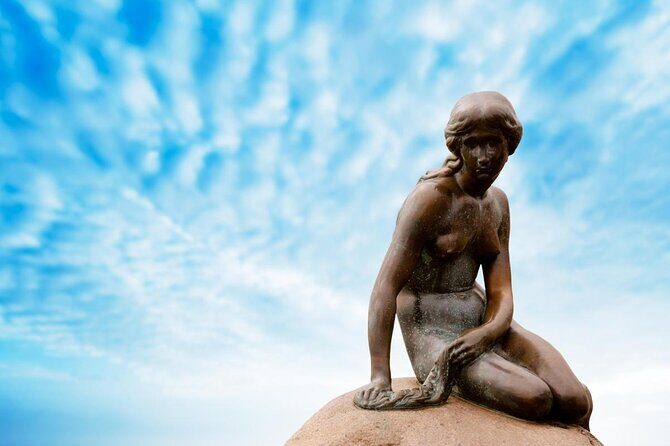
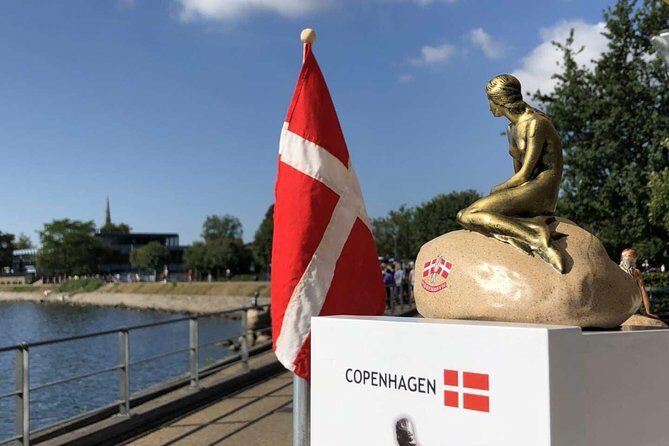
Your trip starts in Copenhagen, with a sightseeing run that hits the iconic photo stops early. The Little Mermaid statue is the headline here, inspired by Hans Christian Andersen’s fairy tale, and it’s become a symbol of Danish culture. It’s quick, but it’s also a good way to get your bearings fast in the city center.
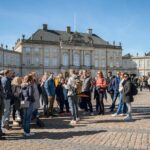
Next comes Amalienborg Palace Museum, known for its Rococo architecture—four identical palaces arranged around a central square. If your timing lines up, you might catch the changing of the guards, which happens every afternoon. It’s the kind of stop that doesn’t need long explanations to work.
You also have a chance to connect the city to Andersen more directly at H. C. Andersen Eventyrhuset via the boulevard area and nearby monuments. Even if you’re not a literature superfan, it helps you understand why Copenhagen leans so hard into its “storytelling” identity.
Other Sweden day trips to Lund and Malmo we've reviewed in Copenhagen
Stockholm city tour and the Vasa Museum: a smart one-two punch
After an overnight stretch toward Sweden, Stockholm gives you a guided city pass on an archipelago-shaped capital. The Stockholm City Hall stop is especially memorable because it’s not just an exterior look—your visit includes key rooms like the Blue Hall and the Golden Hall, tied to the Nobel Banquet setting.
From there, you move into the Vasa story at the Vasa Museum, which is one of those places you can’t really fake. You’re there for the old warship itself and related exhibits tied to Sweden’s maritime past. It’s also a nice counterweight to the big outdoor views—indoors, you get context and scale.
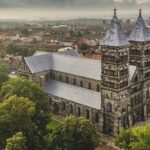
You’ll also see Storkyrkan cathedral as part of the city-area routing. The way this day is built works well if you want both “city architecture” and “something you can’t get from a quick Google read.”
Lillehammer Olympic Park: why it matters even if you skip the town
Norway enters the picture via Lillehammer Olympic Park, tied to the 1994 Winter Olympics. The key detail here is that you’re not going into central Lillehammer itself; this is a specific site-based stop, arriving in the evening and using the area for an overnight.
You’ll travel toward Norway’s large Lake Mjøsa area along the way. This part of the route is designed to create that feeling of space and openness before the trip turns fully fjord-and-glacier.
If you like sports history or you enjoy seeing how Olympic venues connect to real landscapes, this stop is a good “gear shift.” If you expected a classic town stroll, adjust your mindset: this day is about the venue and getting closer to the dramatic scenery ahead.
Briksdal Glacier and Jostedalsbreen: the day you plan around weather
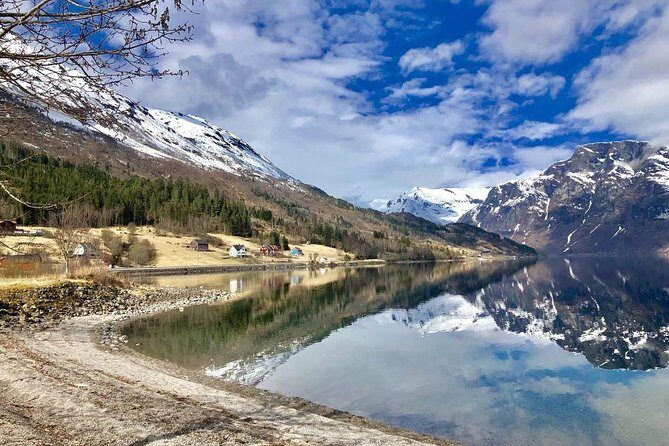
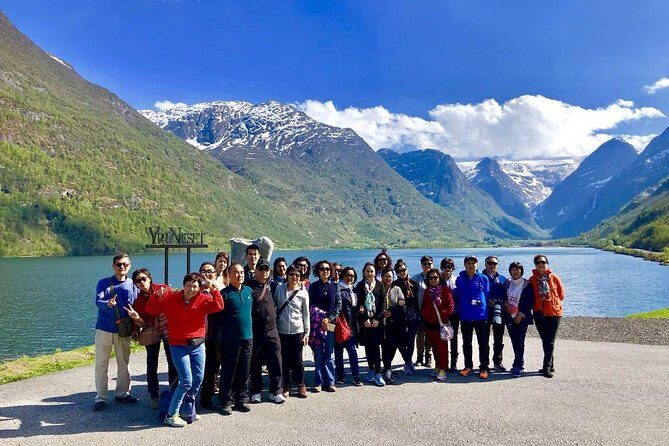
This is one of the trip’s anchor days. You go to Briksdal Glacier (Briksdalbreen), described in the tour material with big physical scale—covering about 800 m², reaching very deep below sea level at its lowest point, and rising to around 2,000 meters at its highest. The numbers help, but the real point is the sense of ice moving through a steep, mountainous setting.
From there you head to the Jostedalsbreen National Park Centre for cable-car access. You’ll ride up, then have short picture time to get close views of the glacier area. This is built for “maximum wow with limited friction,” meaning you get a viewpoint without needing serious hiking.
The practical catch: glacier days depend on access and conditions in the area. Roads and visibility can affect what’s possible, so keep your expectations flexible. When it works, this is the kind of stop that makes the rest of the trip feel like more than a sightseeing checklist.
Sognefjord cruise + Flåmsbana: fjords with motion, not just photos
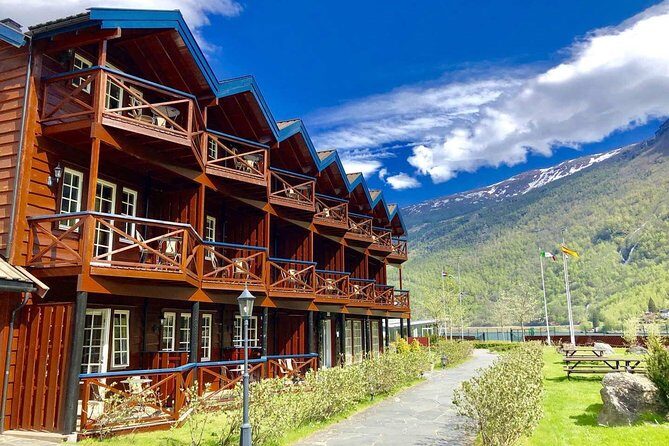
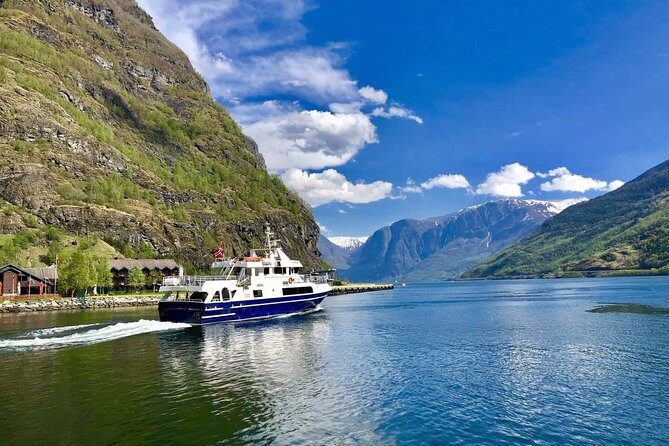
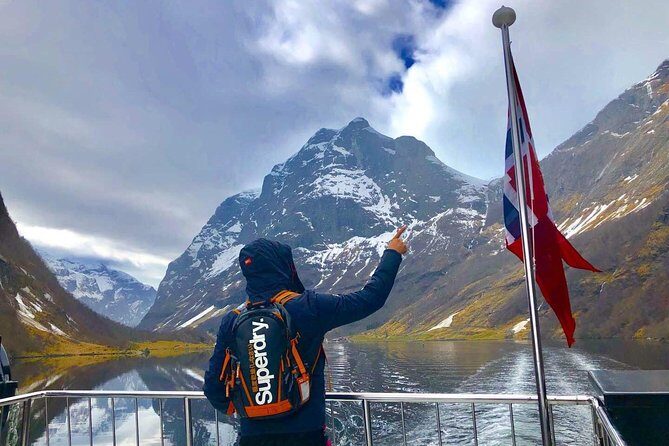
The next big Norway highlight is a Sognefjord cruise from the Gudvangen dock. The Sognefjord is called the world’s longest and deepest fjord in the tour description, and that’s exactly what a long cruise helps you appreciate. This isn’t a quick “turnaround” boat ride—it’s the scenic part of the route meant to slow you down.
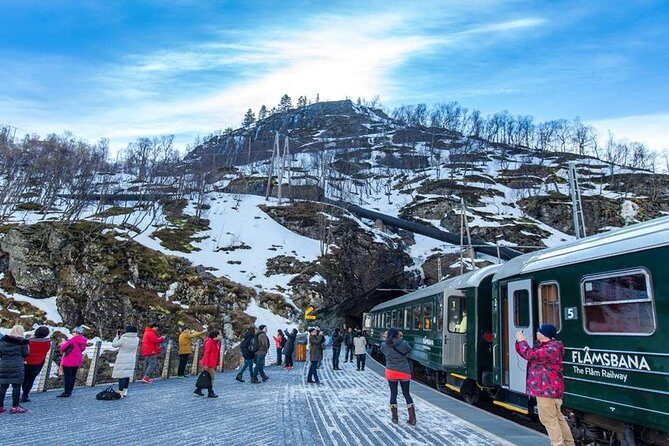
After that you switch to rail at the Flåmsbana. You’ll spend time in Flåm, then take the railway through fjords, waterfalls, and valleys, with scenery that changes quickly as you move along the line. This is a great pairing because a boat gives you long shoreline views, while the train gives you perspective shifts—cliffs, water drops, and steep terrain appearing and disappearing around the carriage.
In the evening you return to the hotel for dinner. That’s a smart way to keep the day from turning into a hunt for food after you’ve done two major set pieces. If you like photos, this is also where your camera will get the most use.


Oslo in one day: classic sights plus Vigeland’s human-scale art
The Oslo day is a clean, guided introduction to the Norwegian capital. You start with Oslo City Hall, and the tour material notes the connection to the Nobel Peace Prize ceremony held in Oslo. Even if you’re not attending an event, the building’s role makes it feel more than like a random city stop.
Next is Frogner Park and the Vigeland Sculpture Park. This is the part many people end up liking more than they expected, because it’s not just big monuments—it’s over 200 works made from bronzes and granite, tied to the theme of the human condition. You’ll walk among statues that cover relationships across adults and children, which gives the park a more emotional feel than purely scenic viewing.
The routing lists the park visit in a couple segments, but the point for you is straightforward: plan time to move slowly and keep looking. It’s easier to understand the theme when you’re not rushing from sign to sign.
Gothenburg finish: Poseidon at Gotaplatsen and the fish market hall
On the final day, you head south to Gothenburg and get a compact city tour before returning to Copenhagen in the evening. Gotaplatsen is the first stop, known for Carl Milles’ Poseidon statue with the sea-god proportions that drew complaints when it was unveiled. It’s a quirky, memorable way to end a serious nature-heavy trip.
Then you get to Feskekôrka, the indoor fish market hall, where the idea is simple: seafood sold from today’s catches. If you like food culture stops, this is fun—just don’t expect it to replace a full meal unless you’re ready for market-style browsing and small bites.
The tour also includes Gothenburg Cathedral (Domkyrkan Göteborg), giving you a final “big building” moment. If you’re short on patience, keep your focus on the portions of the market you care about, because this is one of those stops that can feel less interesting depending on your tastes.
Hotels, breakfast, and coach time: where your money really goes
The price—$1,161.99 per person—pays for more than “getting from A to B.” You’re buying 6 hotel breakfasts, air-conditioned coach transport on a modern route, and an experienced tour manager who handles timing and the rhythm of the day. The hotel standard is described as comfortable 3-star (minimum) with private facilities.
There’s also a “Pink Line” accommodation supplement mentioned as €10 per person per night for higher living standard in Scandinavia, and the tour notes say this is included in the price. That matters because Scandinavia can inflate hotel costs, and bundling it into the package helps you budget without surprise add-ons for rooms.
The tradeoff is simple: you’re not doing this as a fast independent move with lots of spontaneous detours. You’re doing it as a guided route where the value is efficient coverage—especially for Norway’s glacier-and-fjord highlights that are harder to line up on your own without serious planning.
Tour guide and driver quality: names that show up in real experiences
A standout theme across the experience is the role of the guide and the driver. You may be supported by tour guides such as Lex, Mirjam, Daniel, or Kim, and drivers named like Silver have been mentioned for smooth, safe driving—important when the route includes winding roads and mountain areas.
What you should look for in any departure is a guide who can explain what you’re seeing without drowning you in facts. In this kind of trip, a good guide makes bus time feel useful—pointing out what matters at the next stop and helping you organize your day so you’re not waiting around with nothing to do.
The tour format also allows a mixed-language situation on the bus (English and Chinese), but with a tour leader who can speak both languages. If you strongly need deep English-only commentary every moment, I’d treat this as a “guided overview” trip rather than a specialist lecture series.
What to pack so the schedule feels good
Because you’ll be spending real time outside at glacier and fjord viewpoints, pack for changing weather. Bring layers you can add or remove quickly on coach stops and during brief walks.
You’re also limited to one luggage item up to 30kg plus one small hand carry-on (like a purse or camera bag). It’s smart to pack light and use your hand carry for what you’ll want immediately—camera, water bottle, a layer, and any medication.
Finally, plan your pace mentally: early starts can happen, and there are days where the bus time is part of the experience. If you like scenery even from a window seat, the long drives won’t feel like wasted time.
Should you book this Scandinavian week?
Book this tour if you want a guided, efficient route through three countries with a strong Norway center of gravity. It’s a good fit for first-timers who want the main highlights—Copenhagen’s famous statue areas, Stockholm’s Vasa Museum, and Norway’s glacier, fjord cruise, and Flåm Railway—without doing all the logistics yourself.
Skip it or think twice if you’re expecting a slow cultural deep-dive in Copenhagen and Stockholm, or if you prefer lots of free time for independent exploring. This is structured: it moves, it covers, and it gives you a lot of “big moments” rather than letting one city unfold for days.
If you choose it, you’ll get the best results by going in ready for a busy week and using the guide’s time wisely. The payoff is that you’ll leave with a clear mental map of Scandinavian highlights—and a few stops you’ll remember long after the bus doors shut.
FAQ
What’s included in the tour price?
Accommodation in comfortable 3-star (minimum) hotels with private facilities, daily transportation by modern air-con coach, services of an experienced tour manager, and breakfast (6). Lunch and dinner aren’t included, though the tour leader can help with reservations and directions.
How many breakfasts are included?
You get 6 breakfasts during the 7-day trip.
Is gratuities included?
No. Gratuities are listed as €10 per person per day and are collected by the tour manager in cash during the tour.
What language is the tour offered in?
The tour is offered in English. The tour provider notes that the bus may combine English and Chinese speakers, and the tour leader can speak both languages.
How many people are on the group?
The maximum group size is 30 travelers.
How much luggage can I bring?
You’re allowed one luggage on board up to 30kg, plus one small hand carry-on (purse, backpack, camera bag, etc.).