REVIEW · COPENHAGEN
Copenhagen: Hygge & Highlights Walking Tour with Local Guide
Book on GetYourGuide →Operated by Copenhagen Walking Tours (CWT) · Bookable on GetYourGuide
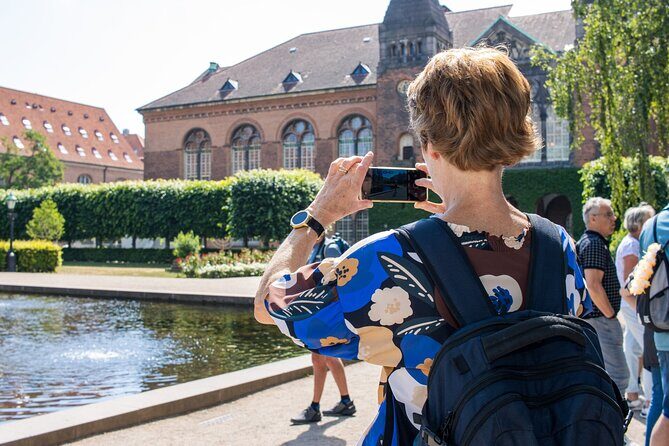
Copenhagen makes sense on foot. This 2.5-hour walk uses a local guide to connect the dots between iconic sights and the quieter alleys that give the city its vibe. I especially like the way the route mixes big-name stops like Marmorkirken with slower moments in places such as Pistolstræde.
You get a small-group feel too, with limited size (up to 10) so questions don’t get lost. Guides such as Laura and Hamid have been praised for keeping the pace right and answering the stuff you actually want to know.
One caution: it is mostly a walking tour on outdoor streets, so you’ll want comfortable shoes and you should plan for weather. If mobility is an issue, this one is not the best match.
In This Review
- Key points worth knowing before you walk
- A 2.5-hour route that helps you read Copenhagen fast
- Nyboder’s yellow houses and the Marble Church’s Rome-style dome
- Amalienborg: how to watch Denmark’s royal square like a local
- Nyhavn harbor stories and Kongens Nytorv’s grand meeting-point energy
- Strøget and Pistolstræde: the busy street, then the quiet lane
- Rosenborg Castle views and the Round Tower’s scholar-era purpose
- Gråbrødretorv finish: end where locals actually linger
- Price, value, and who this tour fits best
- What to bring so the 2.5 hours feel easy
- Should you book this Hygge & Highlights walking tour?
- FAQ
- How long is the Copenhagen Hygge & Highlights walking tour?
- Where does the tour start?
- Where does the tour end?
- Is the tour inside-only or mostly outdoors?
- Are entrance tickets included for churches or towers?
- What language is the tour guide?
- How big is the group?
- Is there a break during the tour?
- Does the tour run in bad weather?
- Is the tour suitable for people with mobility impairments?
- Is there a chance to see the Changing of the Guard?
Key points worth knowing before you walk
- Small group pace (up to 10): easier questions and better back-and-forth with your guide.
- Outdoor-only route: no entrance tickets included, so you’re paying for guidance and time, not museum access.
- Royal Denmark stop with a chance to see guard changes: Amalienborg is planned for watching, not just looking.
- Tight mix of landmarks and side streets: Nyhavn and Strøget get you oriented, then Pistolstræde helps you slow down.
- Top “architecture and city views” hit list: Marble Church, Rosenborg Castle area, and the Round Tower.
A 2.5-hour route that helps you read Copenhagen fast
If you’re short on time, this tour is built like a good map. You start in one of the most characterful city-neighborhood zones and you end in a square where people linger. In between, you cover the places that tend to define Copenhagen on postcards, but you also get the side streets that make the whole city feel lived-in.
The tone is practical and friendly. Your guide sets the rhythm, explains what you’re seeing in plain language, and keeps enough time for questions. A lot of tour groups sprint from stop to stop; here you get more of that calm, Danish-style tempo, the kind that lets details land instead of bouncing off.
And with a small group capped at 10, you’re less likely to feel like a number. That matters in Copenhagen, where a simple street corner can hold a story about housing, trade, or religion.
Other hygge and happiness tours we've reviewed in Copenhagen


Nyboder’s yellow houses and the Marble Church’s Rome-style dome
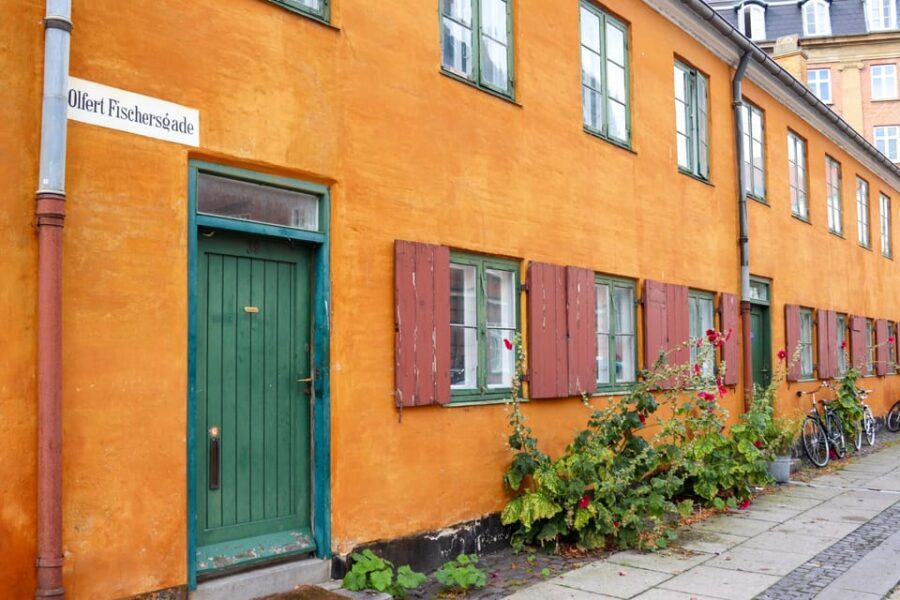
Nyboder is a strong opener because it is Copenhagen’s past you can still picture. You’ll stand around the 17th-century yellow naval housing area built for Danish naval personnel. The guide’s explanation about King Christian IV’s plan makes the neighborhood feel less like a pretty backdrop and more like a real community that once worked, lived, and depended on the same rhythms.
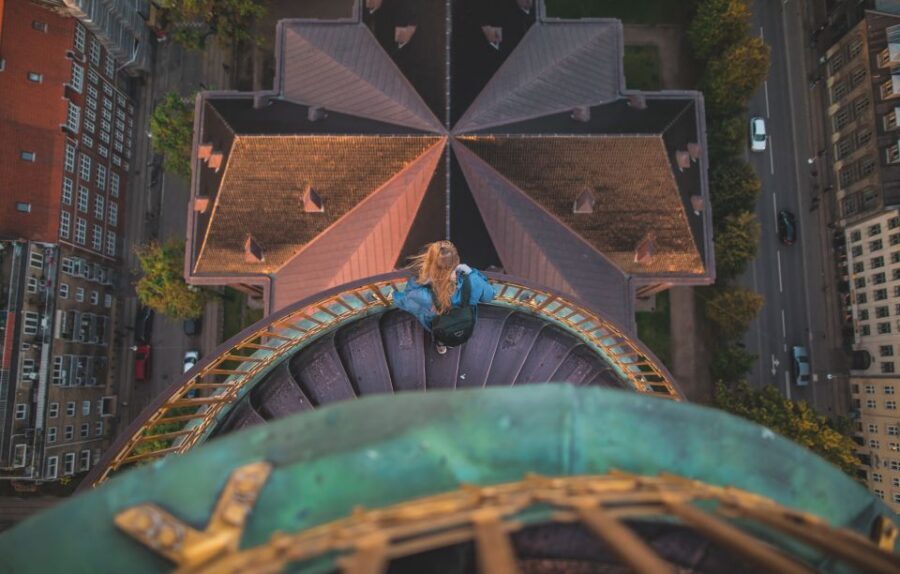
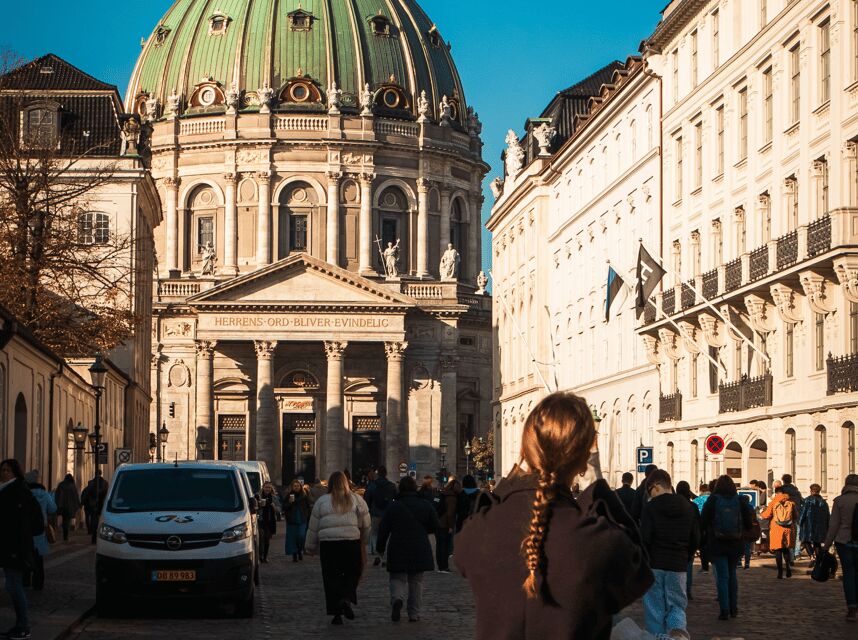
Then you move to Marmorkirken, also called the Marble Church. Outside, it’s impressive. Inside, it’s the kind of architecture that makes you pause even if you don’t think of yourself as an architecture person. You’ll hear how its dome was inspired by St. Peter’s Basilica in Rome, and you’ll learn that construction took nearly 150 years. That time span is the clue to what you’ll notice in the building: it feels like an idea that kept evolving, not a quick project that got finished in a hurry.
Because the tour is outdoor-only and doesn’t include entrance fees, you should still expect a lot of visual “get the feel” moments rather than a heavy-ticket day. The value is in interpretation—your guide turns what you see into something you remember.
Amalienborg: how to watch Denmark’s royal square like a local
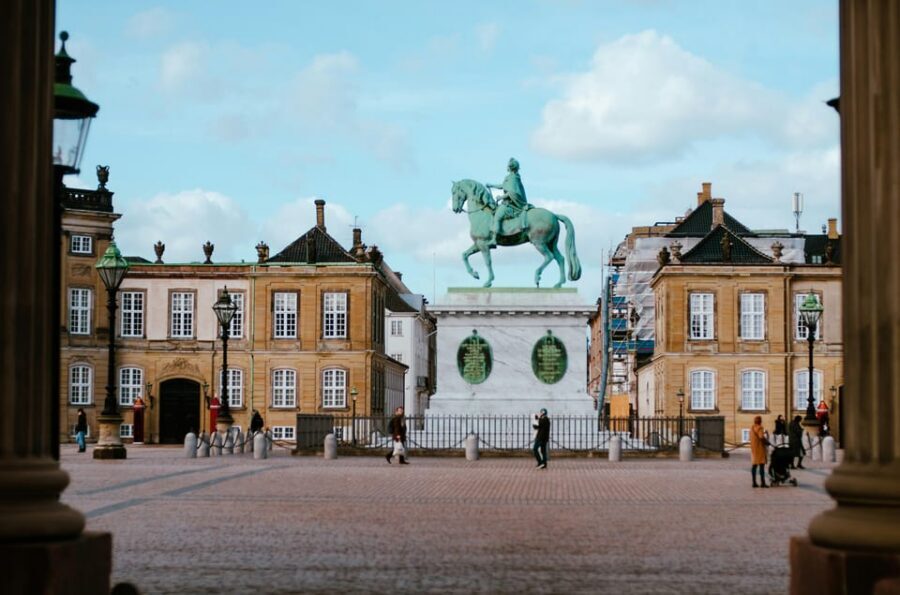
Amalienborg is where the city’s identity snaps into focus. It’s the residence area for Denmark’s royal family, and the central square layout makes it easy to observe how the city organizes around power and tradition.
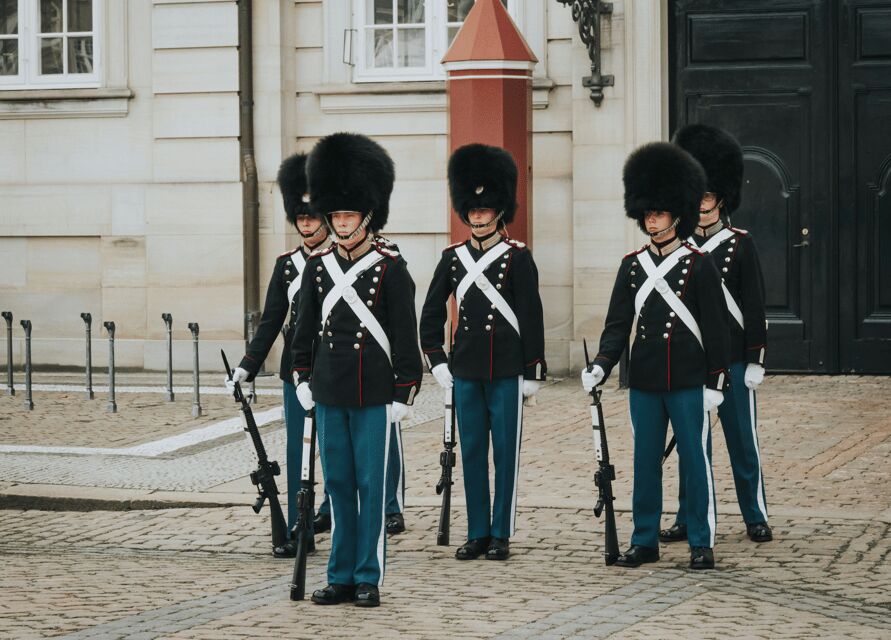
The tour sets you up to do more than look at buildings. You’ll get history on Denmark’s monarchy and notable royal figures, and you’ll have a chance to see the Changing of the Guard. Important note: a chance means it’s not something you can treat like a guaranteed show. But even if it doesn’t line up perfectly, the square itself is still worth your attention. It’s one of those Copenhagen moments where you feel how ceremonial space works.
Practical tip: if you care about guard timing, keep your eyes open and don’t wander off when your guide gathers the group. This is one stop where timing is half the fun.
Nyhavn harbor stories and Kongens Nytorv’s grand meeting-point energy
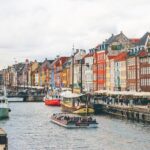
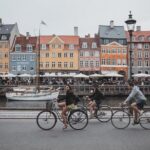
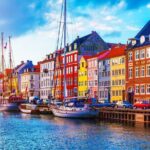
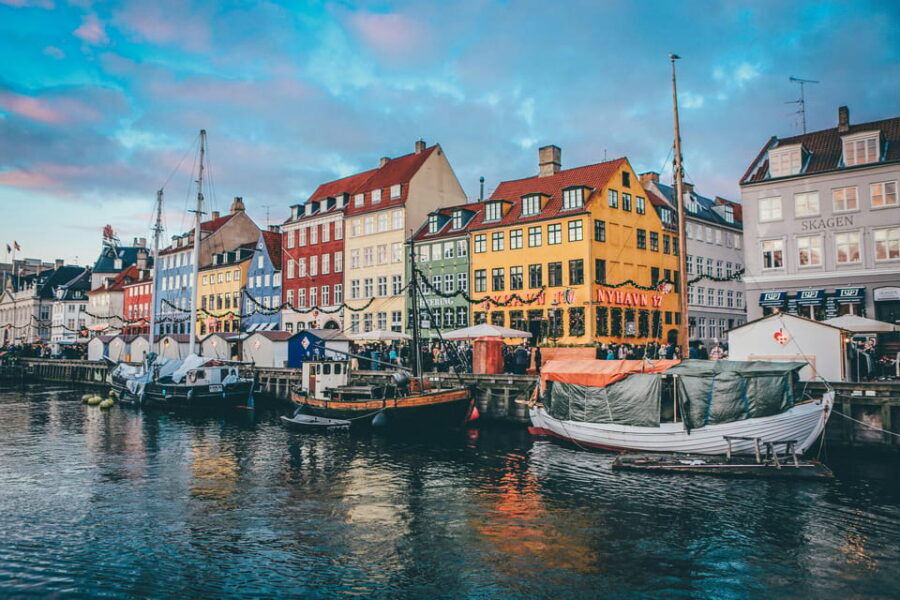
From Amalienborg, you head toward Nyhavn, the harbor area that makes Copenhagen look like Copenhagen. You’ll walk past the colorful 17th-century buildings and get a sense of the old waterways that shaped trade and travel. The guide connects Nyhavn to sailors and merchants, but it doesn’t stop there. You’ll also hear about Hans Christian Andersen, who once lived here. That detail changes the whole atmosphere—you stop thinking of the quay as just a photo spot and start thinking of it as a lived-in stage for real people.
Nyhavn also includes a scheduled break (about 10 minutes). It’s enough time to grab a quick drink or snack, check your bearings, and breathe before the walking picks up again. Use it well: comfortable feet beat dramatic photos.
Then you continue to Kongens Nytorv, described as Copenhagen’s largest square. This stop is about scale and setting. You’ll see landmark buildings like the Royal Danish Theatre and the Hotel d’Angleterre area, and you’ll learn why this square acted as a meeting point for centuries. When the guide frames it this way, you can feel why squares matter in cities: they’re the places where different kinds of people overlap.
Strøget and Pistolstræde: the busy street, then the quiet lane
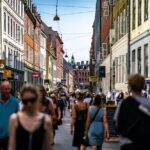
Strøget is famous for a reason. It’s the longest pedestrian street in Europe, and walking it at a guided pace helps you understand how Copenhagen balances shopping life with city texture. You’ll pass cafés, shops, and street performers. Think of it as your orientation strip—if you come back later on your own, you’ll already know how the street “reads.”
But the best part comes right after: Pistolstræde. This narrow, cobblestoned alley is the kind of place you might walk past without realizing what you missed. The guide brings it to life with details about its colorful courtyards and its quieter, more old-world feel. It’s a smart contrast to Strøget. In one step you go from main-character city life to a pocket where people slow down.
If you like walking tours for exactly this reason—getting your bearings and then finding the softer corners—you’ll appreciate this switch. Copenhagen isn’t just about monuments. It’s about how the city stitches daily life into the streets.
Other tours with a local guide we've reviewed in Copenhagen




Rosenborg Castle views and the Round Tower’s scholar-era purpose
After the alley and the big streets, the route turns greener. You’ll walk through King’s Garden (Kongens Have), which acts like a breather. It’s a change of pace that helps you arrive at the next stops without feeling like your legs are at war.
Rosenborg Castle comes next. The tour focuses on the exterior experience and the setting, including that it’s a 17th-century Renaissance castle. The word “castle” can sound heavy, but here it’s more about how it fits the area and how it shapes the view lines across the garden paths.
Then comes a stop that many people miss: the Round Tower. This is Europe’s oldest functioning observatory, and your guide will explain its original use as an observatory and library for scholars in the 17th century. That connection—science plus reading plus learning—adds a different layer to the typical “pretty landmark” approach. You’re not just seeing a historic tower; you’re seeing a functional building designed for a specific kind of curiosity.
Even if you don’t go inside (and the tour is outdoor-only), your guide’s storytelling makes the Round Tower feel purposeful. It’s one of those “wait, that makes sense” moments.
Gråbrødretorv finish: end where locals actually linger
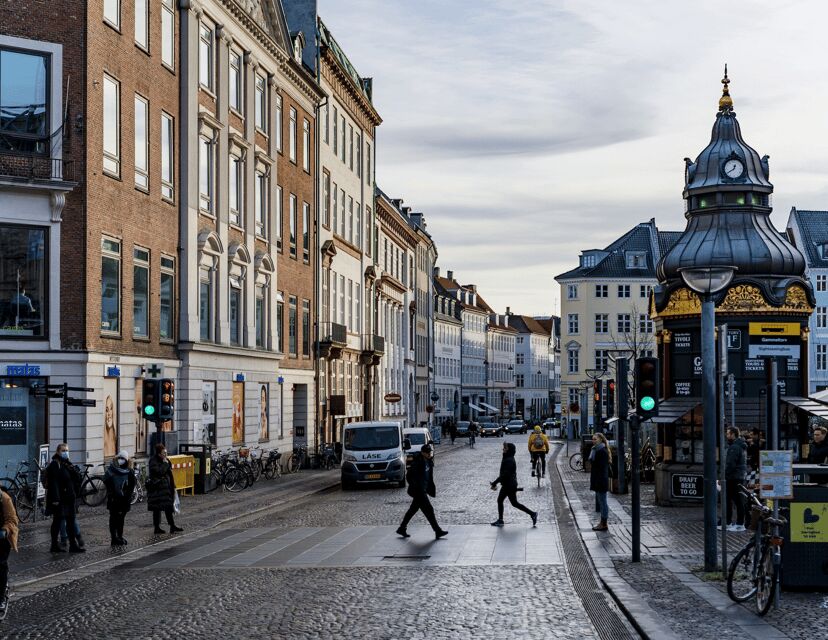
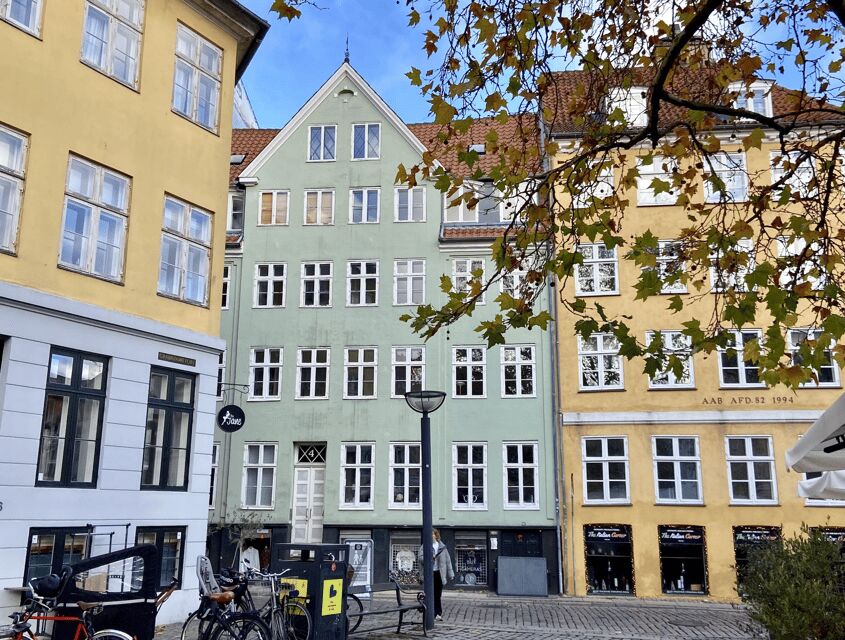
You wrap up at Gråbrødretorv, a picturesque square in the heart of Copenhagen. The surroundings are colorful, and the vibe is relaxed—exactly the kind of place where you can slow down after a steady 2.5 hours of walking.
This finish matters. A lot of tours end in the least helpful spot, far from where you want to wander next. Here you end in a spot that encourages that natural next step: sit for a minute, then head out on your own with more confidence.
If you want to keep exploring after the tour, this ending point is useful because it’s in the center of things. You’ll be able to choose your next move without feeling stranded.
Price, value, and who this tour fits best
At $61 per person for about 150 minutes, the value is in the guide and the route design. Entrance fees aren’t included, and that’s fine. You’re buying interpretation: the “why” behind Nyboder, the dome story inside Marble Church, the monarchy context at Amalienborg, and the scholar-era explanation for the Round Tower.
For the time you get, I think this is a smart buy if you want a quick orientation and you don’t want to spend your whole day hunting for context. If you’re the type who reads plaques but still wants a person to connect the dots, this kind of guide-led walking fits you.
It’s also a good choice for solo travelers, couples, and small friend groups who want the benefits of a guided plan without the chaos of a huge crowd. The small-group size (up to 10) is a real quality factor here.
One match note: it’s not suitable for people with mobility impairments, since it’s a walking route on outdoor streets. And because it runs in all weather, bring clothing you can move in, not just something that looks good in photos.
What to bring so the 2.5 hours feel easy
This is a straightforward walking tour, but Copenhagen weather can be sneaky. Bring comfortable shoes first. Then pack water, and dress for the day’s conditions because the tour operates in all weather.
If you’re visiting in cooler months, you’ll be happier in layers. If it’s rainy, you’ll still be fine—just don’t rely on luck. Denmark does weather the way it does architecture: with commitment.
Should you book this Hygge & Highlights walking tour?
Book it if you want a fast, friendly way to understand Copenhagen’s main landmarks and you care about the quieter lanes that make the city feel personal. The combination of a small group, a guide who can answer questions, and a route that moves from naval housing to royal space to harbor storytelling is a great “first day” or “first full morning” option.
Skip it if you can’t handle a mostly outdoor walk or if you’re only interested in paid indoor attractions. This tour is built around seeing and learning outside, with guidance doing the heavy lifting.
If you’re on the fence, here’s the simple test: if you’d rather spend an hour listening to how the city works than hour-by-hour guessing on your own, this one is likely worth it.
FAQ
How long is the Copenhagen Hygge & Highlights walking tour?
It lasts about 150 minutes (2.5 hours).
Where does the tour start?
You meet in front of Sankt Pauls Kirke (Sankt Pauls Church) at Gernersgade 33.
Where does the tour end?
The tour ends at Gråbrødretorv.
Is the tour inside-only or mostly outdoors?
It is outdoor-only, and entrance fees are not included.
Are entrance tickets included for churches or towers?
No. Entrance fees are not included.
What language is the tour guide?
The live tour guide speaks English.
How big is the group?
It’s a small group limited to 10 participants.
Is there a break during the tour?
Yes. There is a break time of about 10 minutes at Nyhavn.
Does the tour run in bad weather?
Yes, the tour operates in all weather conditions, so you should dress appropriately.
Is the tour suitable for people with mobility impairments?
No, it is not suitable for people with mobility impairments.
Is there a chance to see the Changing of the Guard?
You may have the chance to see the Changing of the Guard at Amalienborg, depending on timing.