REVIEW · COPENHAGEN
Explore Copenhagen’s Art and Culture with a Local
Book on Viator →Operated by LocalBini - The go-to platform for Experiences by Locals in Europe · Bookable on Viator
This is the kind of walk that gives your brain direction fast. You start in the old center, move through art that people actually make today, then finish at Nyhavn with a very Copenhagen kind of charm. It’s built around street art, monuments, and a few big-name cultural stops without turning into a museum marathon.
Two things I really like: you get a local guide who explains what you’re looking at, and the route strings together very different creative corners of the city (public art, sculptures, architecture, and waterfront street life). One thing to consider: the pace is tight (about 1 hour 30 minutes), so if you want long stops or extra time near specific sights like major museums, you may wish for more time at certain points.
In This Review
- Key highlights that matter
- Why This 90-Minute Art-and-Culture Walk Works
- Stork Fountain at Amagertorv: Your First Picture-and-Story Stop
- Street Art by Stine Hvid: Learning to Read Walls in Copenhagen
- A Quiet Castle Moment: Hans Christian Andersen in the Gardens
- Kastellet Fortress: Star-Shaped Defensive Design and Gefion’s Legend
- The Rococo Dome and Kierkegaard: Copenhagen’s Serious Philosophy, Made Visible
- The Royal Opera House Across the Water: A Taste of Copenhagen’s Stage Power
- Ending in Nyhavn: The 17th-Century Harbor That Still Feels Like a Postcard
- Price and Value: Is $128.94 a Good Deal for This Tour?
- Best Fit: Who Will Enjoy This Walk the Most?
- How to Get the Most Out of It (Without Trying Too Hard)
- Should You Book This Copenhagen Art-and-Culture Tour?
- FAQ
- How long is the Copenhagen art and culture walking tour?
- What language is the tour offered in?
- How many people are in the group?
- Where do I meet the guide?
- Where does the tour end?
- What is included in the price?
- What is not included?
- Can I cancel if my plans change?
Key highlights that matter
- Small group (max 8): easier to ask questions and keep the conversation going on a walking route.
- Stine Hvid street art focus: you’re taught how to spot and interpret Copenhagen’s street-art style beyond just taking photos.
- Stories tied to real landmarks: Hans Christian Andersen, Gefion, and Kierkegaard show up where you’re standing.
- Mix of art and architecture: street art plus a Rococo structure with the largest dome in Scandinavia.
- Great start and finish points: begin at Stork Fountain (Amagertorv) and end in Nyhavn.
- Mobile ticket: less time dealing with tickets before you meet your guide.
Why This 90-Minute Art-and-Culture Walk Works
Copenhagen can feel like a lot at first: canals, bicycles, polished stone streets, and names that pop up everywhere. This tour helps you sort it. In about 1 hour 30 minutes, you get a guided route that connects art and culture across different eras, from old-town squares to fortress legends and a classic harbor finish.
If you’re new to town, this is the best kind of “orientation with taste.” You don’t just learn facts. You learn what to look for: how the city uses public space for culture, how buildings signal their periods, and how stories get attached to statues and fountains. If you’re returning, it still works because you can spot details you’d miss if you were just wandering on your own.
The value is in the human layer. The experience is led by a local who wants to show their city, and the format stays active: walking plus explanations at each stop. That matters because Copenhagen is made to be seen at street level, not only from inside.
Other tours with a local guide we've reviewed in Copenhagen

Stork Fountain at Amagertorv: Your First Picture-and-Story Stop
The tour starts at Stork Fountain, Amagertorv 6 (close to the old-town core). This location isn’t chosen by accident. The square has an elegant feel, and the mosaic floor adds texture underfoot. You’re also surrounded by the buildings that define the early visual identity of Copenhagen’s center.
This is a smart first step for two reasons. First, it gives you a landmark that anchors the day. Second, the guide uses the setting to set context before you move on to more niche art stops. You’ll get an early sense for how this city turns everyday public space into a stage for culture.
Practical tip: since you’re meeting and starting in the historical center, wear shoes that handle stone streets. This is a walking tour, and you’ll be on your feet for the full loop.
Street Art by Stine Hvid: Learning to Read Walls in Copenhagen
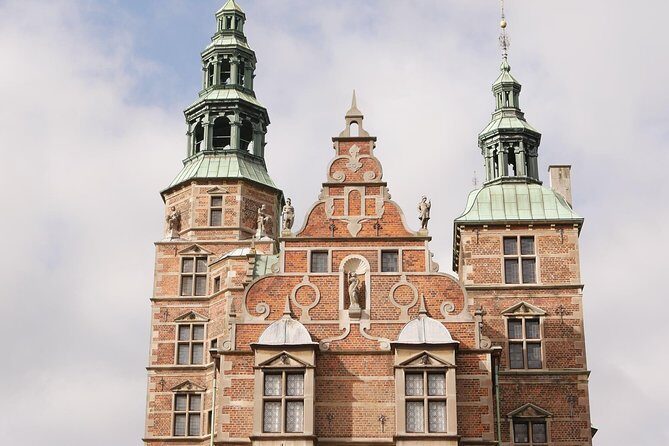
Next comes street art, specifically connected to Stine Hvid. This stop is more than a photo stop. It’s framed as a lesson in how street art fits into neighborhoods and how Copenhagen’s public-art scene expresses ideas through style.
What I like about this approach is that it trains your eye. You’re not only being shown one piece. You’re being pointed toward other examples across the city, so the tour becomes a lens you can keep using later. After this, you’ll start noticing details: recurring themes, how murals relate to the streets around them, and why certain walls feel like part of the neighborhood conversation.
One drawback to keep in mind from the broader experience feedback is that some guests wanted more storytelling depth and more time at certain points. If you’re the type who likes slow, long explanations, you might want to ask your guide questions here so you don’t lose that momentum.
A Quiet Castle Moment: Hans Christian Andersen in the Gardens
Then the tour shifts to serenity. You’ll move toward a historical castle setting and its gardens, including a sculpture of Hans Christian Andersen. This stop is a nice contrast after the street-art energy. The pace softens, and the art becomes more symbolic than loud.
This is where you see how Copenhagen honors culture both officially and informally. Andersen is a giant name for anyone who cares about storytelling, but the real value of this stop is the placement. You’re not reading about him in an exhibit. You’re standing near a reminder of how the city keeps creative heritage visible in public space.
If you’re traveling with kids or you just like gentle breaks in walking tours, this portion is a good reset. The gardens give you space to breathe and to look around rather than only forward.
Kastellet Fortress: Star-Shaped Defensive Design and Gefion’s Legend

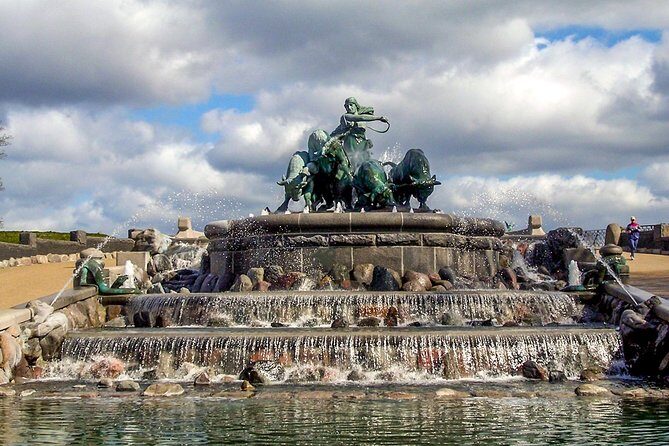
One of the most memorable parts is Kastellet, the star-shaped fortress built in 1664. Star forts feel dramatic on paper, but here the shape becomes something you can understand by walking nearby and watching how it shapes movement around the area.
You’ll also hear a legend connected to the Norse goddess Gefion, depicted in a fountain. This is exactly the kind of stop that makes a guided walk feel worth it. It turns stonework and geometry into story, and the “why” matters because you’re more likely to remember what you see when it has a narrative thread.
This is also a good moment for quick note-taking. If you like legends, Copenhagen is full of them, and a stop like this gives you a starting point for understanding how myth gets anchored in everyday city landmarks.



The Rococo Dome and Kierkegaard: Copenhagen’s Serious Philosophy, Made Visible
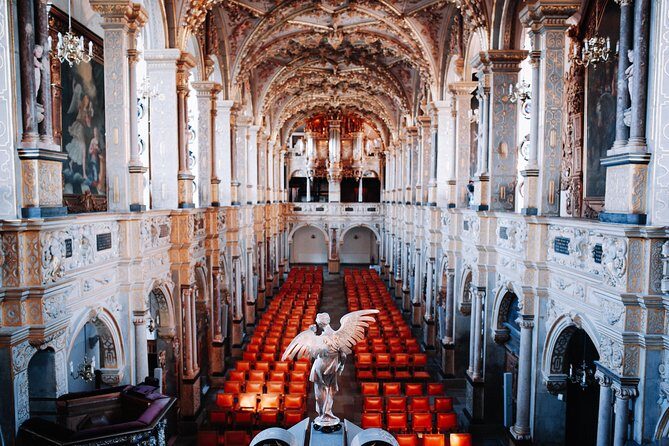
Next up is a Rococo structure with the largest dome in Scandinavia, plus a Kierkegaard statue in the grounds. That combo is a big clue about Copenhagen: art and culture aren’t separate categories. Architecture, philosophy, and public space all overlap.
What to watch for:
- The building’s style shift from what you’ve seen earlier.
- How the dome dominates your sense of scale.
- How the grounds feel like an outdoor room, not just a walkway between attractions.
This stop is valuable even if you aren’t a deep philosophy person. Kierkegaard is part of Denmark’s intellectual identity, and seeing his statue on-site helps you understand that the city doesn’t treat culture as something sealed behind museum doors.
Timing note: since the tour is short, you won’t get hours here. You’ll get the main visual cues and the story beats. If you want to spend longer inside or return later, this stop will be your strongest reason to come back.
The Royal Opera House Across the Water: A Taste of Copenhagen’s Stage Power

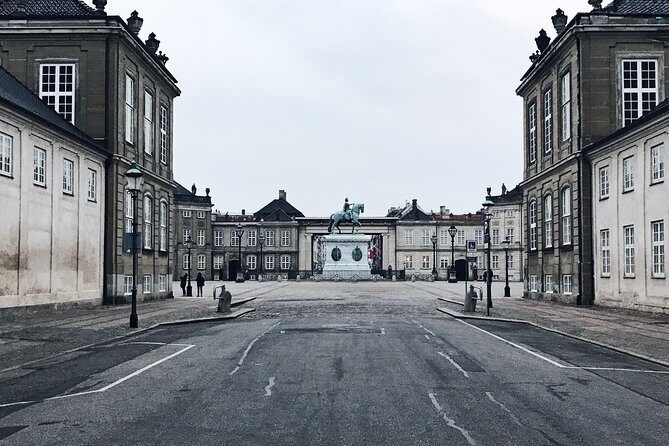
As you explore the imposing square, the palace, and the garden area nearby, you also get a view across the water of the Danish Royal Opera house. Even when you aren’t going inside, the sight matters. Copenhagen’s public architecture often frames the city’s identity like a backdrop, and this is one of those moments.
This portion works well if you enjoy theater and music, but even if you don’t, it gives you perspective on how the city’s cultural institutions sit in the urban layout. You finish this area with a better sense for where major art spaces are located, so later you can plan independent visits more confidently.
Ending in Nyhavn: The 17th-Century Harbor That Still Feels Like a Postcard
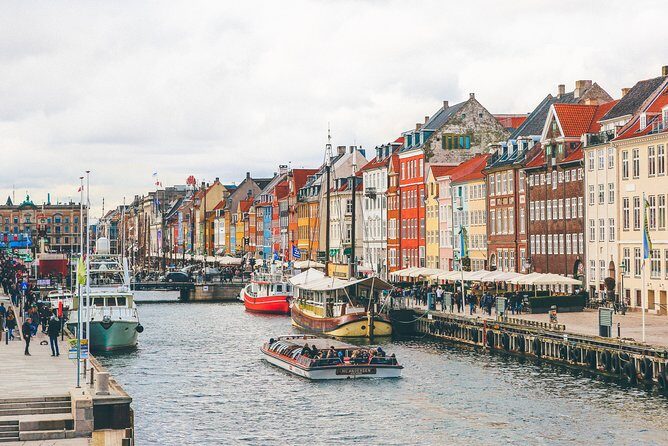
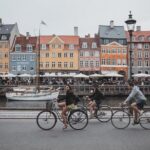
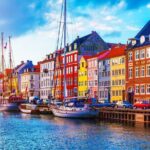
The tour ends with a stroll through the 17th-century harbor of Nyhavn, known for its colorful waterfront facades. This is the payoff: you walk out of the more symbolic stops and into a place designed for atmosphere—boats, storefront energy, and photogenic buildings lined along the canal.
Nyhavn is also where a lot of first-time visitors decide what they want next: a meal nearby, a canal boat ride, or a second walk session to soak up the harbor views. Ending here is smart because it turns your last stop into a launch point for your own evening plans.
Practical tip: if you plan to eat right after, keep expectations realistic. This is a popular area, so give yourself a little time and be ready for crowds.
Price and Value: Is $128.94 a Good Deal for This Tour?
At $128.94 per person, this isn’t a “budget-only” walking experience. The value depends on what you want out of Copenhagen.
Here’s where the price makes sense:
- You’re paying for a local guide who connects the dots between street art, monuments, sculpture, and major architecture.
- The group size is small (up to 8 travelers), which helps the experience feel interactive.
- The route is compact but varied, covering multiple cultural angles in about 1 hour 30 minutes.
- You get a mobile ticket, so logistics feel low-stress.
Where the price might feel steep:
- If you mainly want quick sightseeing photos with minimal talking, a paid guide may not justify the cost.
- Since the tour is time-limited, you don’t get long museum-style time at any one stop.
My take: for people who like context and want a guided route that makes the city click, it’s good value. For people who want deep museum hours, it’s better as a primer than a replacement.
Best Fit: Who Will Enjoy This Walk the Most?
This experience is a strong match for:
- New arrivals who want to learn how Copenhagen’s art and culture show up in public spaces.
- Returning travelers who think they know the city but want a new set of details, especially around street art and symbolic landmarks.
- People who like variety: street art, castle gardens, fortress stories, Rococo architecture, philosophy, and harbor scenery.
You might want to choose something else if:
- You prefer long stops and slow pacing.
- You want a deep dive into a specific museum or theater. This tour is structured as a guided walk with short visits, not a full ticket-and-time museum experience.
Also, if you’re sensitive to pacing, keep it in mind that at least some guests wished for fewer stretches of silence and more information in certain segments. That doesn’t mean the tour is unstructured. It just means you should treat it like a lively walking guide, not a lecture that never pauses.
How to Get the Most Out of It (Without Trying Too Hard)
A short walking tour is easiest to enjoy when you go in prepared to look up and look around, not only forward.
A few practical moves:
- Bring comfortable shoes. You’ll be moving between stops through different parts of the city center.
- If a topic grabs you (street art, Gefion’s legend, Kierkegaard), ask one clear question. Small-group tours reward that.
- Save your big questions until you’re at a stop. It’s harder to get the full story while walking fast between points.
- Since food, drinks, and snacks aren’t included, plan a snack or save appetite for after you finish near Nyhavn.
And if you like the idea of using your guide as a local translator for the city, this is one of the better formats to do it. You get the walking rhythm, plus enough explanation to leave with a stronger mental map.
Should You Book This Copenhagen Art-and-Culture Tour?
Yes, if you want a guided route that connects Copenhagen’s creative life to the places you can actually see. The mix of street art, Andersen sculpture, Kastellet fortress lore, the Rococo dome, and the Nyhavn finish makes it a practical sampler—perfect for getting oriented and for spotting details you’ll enjoy later on your own.
I’d say pass or look for a different option if you’re the type who needs long museum time or deep explanations at every stop. This tour moves, and it’s designed to cover key art and culture stops rather than to linger.
If you’re traveling with flexibility, consider booking because the experience includes a local guide, runs in English, and is capped at a small group size. And because it’s offered with free cancellation up to 24 hours in advance, you can book with less stress and adjust if your schedule shifts.
FAQ
How long is the Copenhagen art and culture walking tour?
It lasts about 1 hour 30 minutes.
What language is the tour offered in?
The tour is offered in English.
How many people are in the group?
The tour has a maximum of 8 travelers.
Where do I meet the guide?
The meeting point is Stork Fountain, Amagertorv 6, 1160 København, Denmark.
Where does the tour end?
The tour ends in Nyhavn, Indre By, Denmark.
What is included in the price?
A local guide is included.
What is not included?
Food, drinks, and snacks are not included.
Can I cancel if my plans change?
You can cancel up to 24 hours in advance for a full refund.