REVIEW · COPENHAGEN
Copenhagen: 2,5-Hour ‘Must See’ Bike Tour with a Local Guide
Book on GetYourGuide →Operated by Book A Guide · Bookable on GetYourGuide
Two wheels get you oriented fast. I like this 2.5-hour bike tour because it turns Copenhagen’s top sights into a smooth loop you can actually remember, guided by a local English-speaking certified guide.
I also love the practical side: you cover about 10–11 km (6–7 miles) with an easy pace, so you get exercise and context without the stress of planning each hop. The tour often runs with guide Lone, who’s known for mixing royal storytelling with humor while keeping newer cyclists comfortable.
One thing to weigh first: you need to know how to ride a bike safely. If you’re not confident in traffic, this may feel like too much, and it’s not suitable for wheelchair users or people with mobility impairments.
If you’re visiting for the first time, this is one of the quickest ways to understand Copenhagen’s layout and daily life. You’ll see how the city’s monarchy past meets its modern harbor culture, and you’ll finish with enough ideas to keep exploring on your own.
In This Review
- Key takeaways before you book
- Getting Your Bearings Fast With a Local Danish Guide
- Bike Comfort, Helmet Reality, and the Flat-City Pace
- Copenhagen City Hall and Christiansborg Palace: Where Power Looks Old and New
- Copenhagen City Hall: the quick orientation stop
- Christiansborg Palace: the best start for royal context
- Nyhavn to Amalienborg: Colorful Canal Life Meets Royal Residence Details
- Nyhavn: short stop, big mood
- Amalienborg: royal residence and nearby royal routine
- Gefion Fountain and The Little Mermaid: Two Stops That Teach You How to Read Copenhagen
- Gefion Fountain: where story beats the selfie
- The Little Mermaid statue: plan for the feeling, not the length
- Nyboder and Rosenborg Castle: Residential Texture and Royal Artifacts
- Nyboder: a neighborhood-style pause
- Rosenborg Castle: one of the best “royal buildings” to know
- Harbour Time and Why 150 Minutes Works
- Value at $71: What You’re Really Buying
- Who This Tour Fits Best (and Who Should Skip It)
- Should You Book This Copenhagen Bike Tour?
- FAQ
- How long is the Copenhagen bike tour?
- What’s the typical distance covered?
- What key sights are included?
- Is the tour always in the same order?
- What’s included in the price?
- Do I need to bring food or drinks?
- Do I need to know how to ride a bike?
- What should I wear or bring?
- Are children allowed?
- Is it suitable for wheelchair users or mobility impairments?
Key takeaways before you book
- Local certified guide, English included: you get real city context, not just photo stops.
- Easy pace in a flat city: Copenhagen is pedal-friendly, and the ride is designed for comfort.
- Top sights in a tight loop: from City Hall and Christiansborg Palace to Nyhavn, the Little Mermaid, and Rosenborg Castle.
- Practical gear included: bike and helmet (helmet optional but recommended) plus rain ponchos.
- Seat fitting for most heights: bike seats adjust for riders 1.40 m to 1.85 m.
Getting Your Bearings Fast With a Local Danish Guide
Copenhagen is famous for looking like a postcard, but the real trick is figuring out where everything sits and how locals move through it. This 150-minute bike tour is built for that first-day problem: you want the highlights, yes, but you also want the map in your head.
The biggest win is having a local certified guide—someone who can explain what you’re seeing and what matters in the city’s day-to-day rhythm. In particular, guide Lone has a reputation for being both informative and genuinely fun. That matters because a tour can turn into either a lecture or a boring checklist. Here, you get historical context with a lighter touch, and you’re not just watching landmarks from the curb.
And you’ll feel the advantage of bicycles quickly. With hundreds of thousands of bikes in Greater Copenhagen, cycling isn’t a stunt—it’s the normal way the city functions. Getting on a bike makes you part of that system, and it’s easier to understand why Copenhagen feels so walkable yet still speedy.
Other bike and cycling tours we've reviewed in Copenhagen

Bike Comfort, Helmet Reality, and the Flat-City Pace
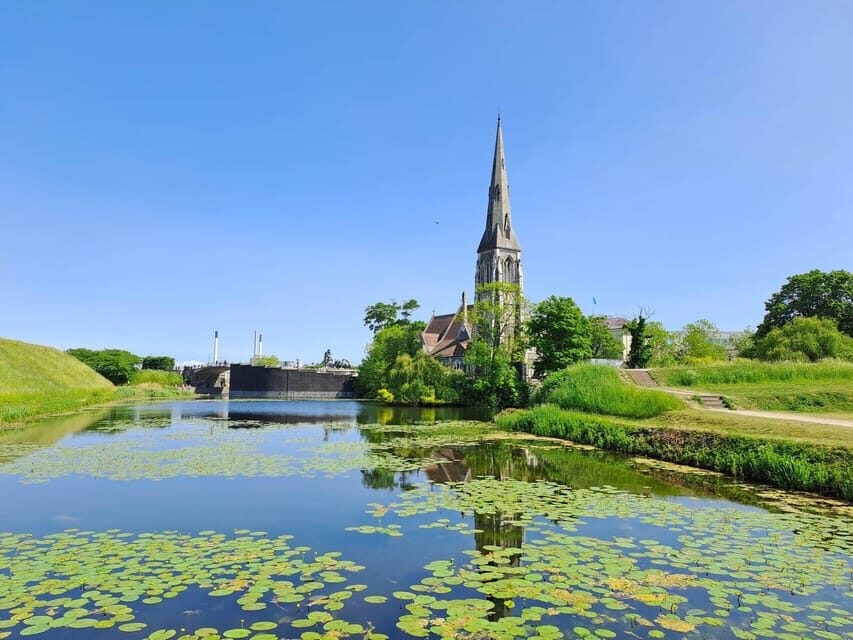
This tour is designed around the idea that cycling should feel manageable. Copenhagen is flat as a pancake, and the pace stays easy, which is why this works for first-timers who can ride competently.
Before you go, check these practical bits:
- You need to be able to ride with security (steady control, safe turning, and confident handling).
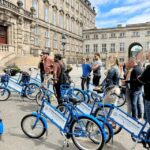
- The bikes are fitted for riders about 1.40 m to 1.85 m tall, which covers a wide range of adults.
- Children are welcome if they can ride safely and the bike fits them.
- Helmets are included. Helmet use is optional, but I’d still treat it as smart and normal.
One more practical detail: the tour is about 10–11 km (6–7 miles). That distance is long enough to feel like you did something, but it’s also short enough that stops and stories don’t drain you. If you’ve ever started a trip with a full-day walking plan, this is the kind of schedule that can save your legs for the rest of your stay.
Also, be ready for the weather. You’ll get rain ponchos just in case. Copenhagen rain can be annoying, but it’s usually brief, and ponchos help you keep moving instead of hunting for a cafe every time the clouds open.
Copenhagen City Hall and Christiansborg Palace: Where Power Looks Old and New
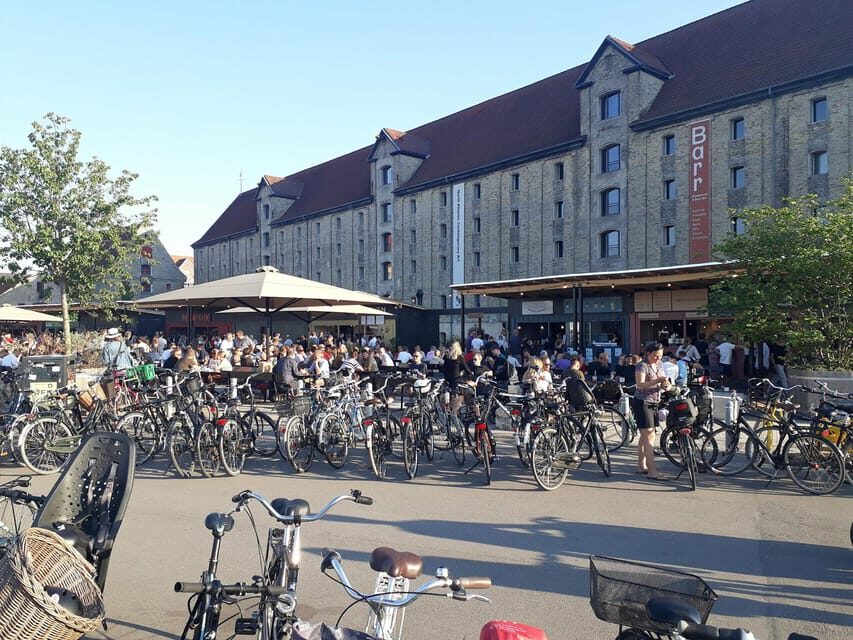
You start in the center, near Copenhagen Vibes (1256 København K). From there, the tour leans into big civic symbols first—places that help you understand how Denmark’s past shaped its public life.
Copenhagen City Hall: the quick orientation stop
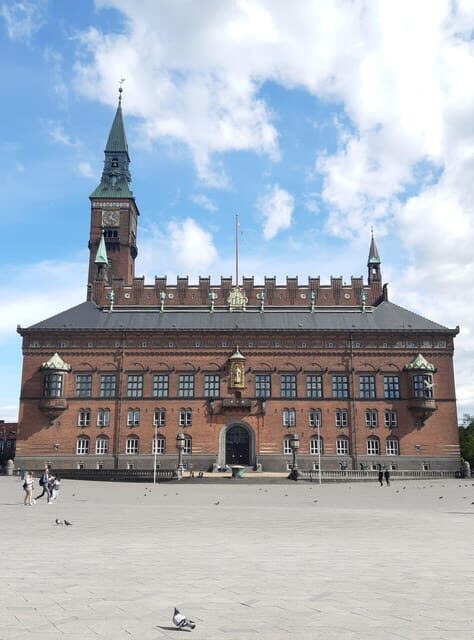
You’ll have a photo stop plus guided time around City Hall. Even if you’ve seen grand buildings before, this is the kind of introduction that matters because it helps you connect later stops with the city’s political and architectural rhythm. In a bike tour, these shorter segments are useful: you’re learning while still keeping your energy.
Drawback to note: photo stops move fast. If you want long, slow looking time, you’ll want to plan extra time after the tour.
Christiansborg Palace: the best start for royal context
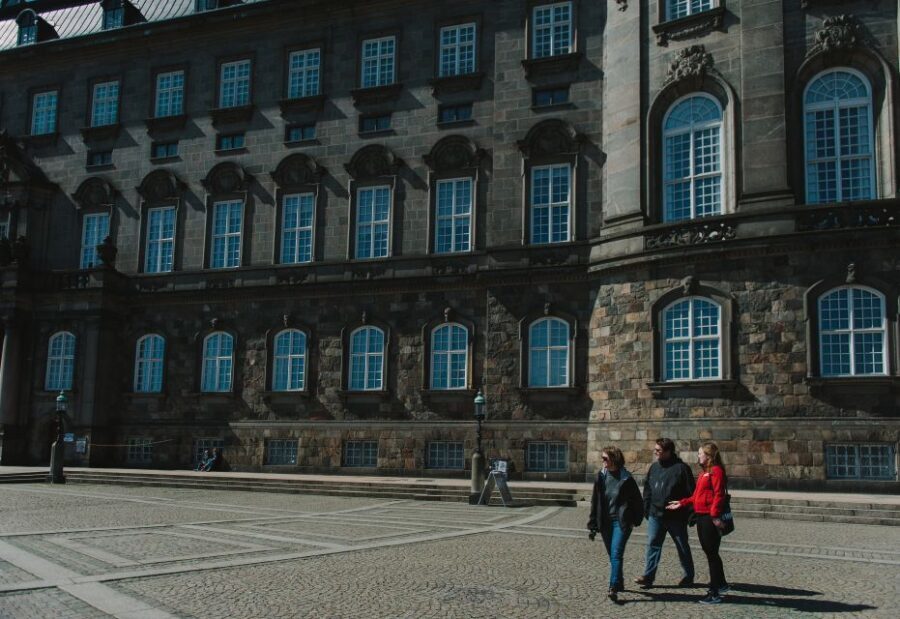
Then you head to Christiansborg Palace, one of the city’s key power centers. You’ll get a longer guided visit here (about 30 minutes) and it’s a strong early anchor because it sets up the themes you’ll keep seeing—monarchy, public ceremonies, and how historic Denmark continues to shape what tourists and locals notice today.
This is also a good spot for the guide’s storytelling style to shine. When the guide explains the palace’s role in Denmark’s ongoing institutions, you start seeing royal buildings not as static monuments, but as part of how the city runs.
Other tours with a local guide we've reviewed in Copenhagen
Nyhavn to Amalienborg: Colorful Canal Life Meets Royal Residence Details
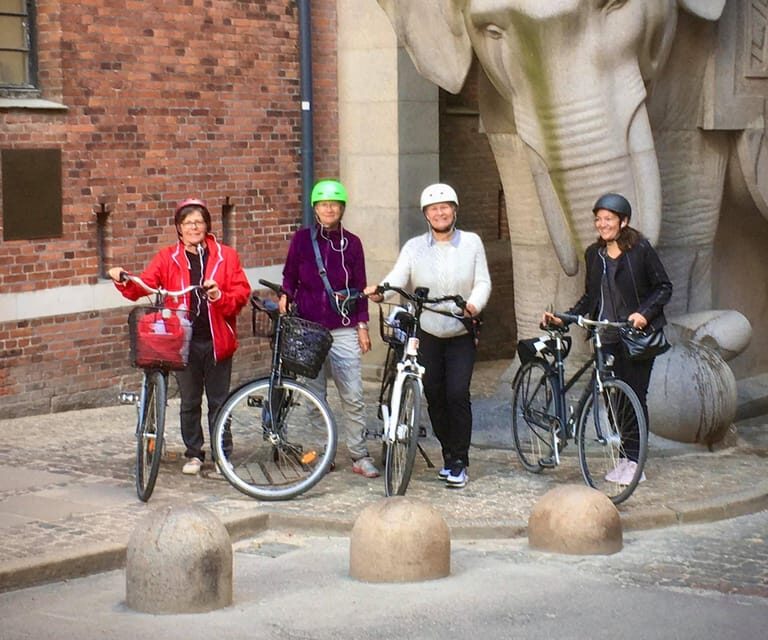
After the civic and palace-heavy start, the tour shifts into the Copenhagen you can almost smell: harbor air, boats, and the famous street energy that shows up around the water.
Nyhavn: short stop, big mood
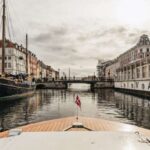
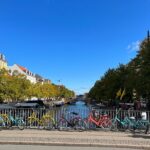
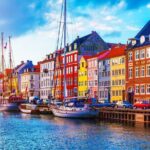
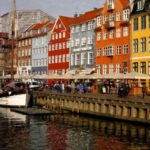
You’ll ride to Nyhavn for a photo stop and guided time. Nyhavn is the kind of place where the visuals do half the work—bright facades, canal edges, and that postcard waterfront look. But the guide’s job here is to connect what you see with why it mattered historically and how the area functions now.
What you should expect: this stop is designed to give you the feel of the place without turning your tour into a long detour. If you’re the type who loves wandering slowly, you’ll likely want to return later on your own for deeper time.
Amalienborg: royal residence and nearby royal routine
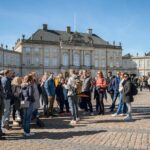
Next comes Amalienborg Palace—another photo stop with guided time. This is the location where the tour starts near the Royal Palaces, so it also sets you up for a very logical morning or afternoon flow.
One practical reason Amalienborg is worth including: it helps you understand how Denmark presents royalty in everyday space. You’re not just visiting a museum-like site—you’re seeing a working royal setting built into the city’s geography.
Gefion Fountain and The Little Mermaid: Two Stops That Teach You How to Read Copenhagen
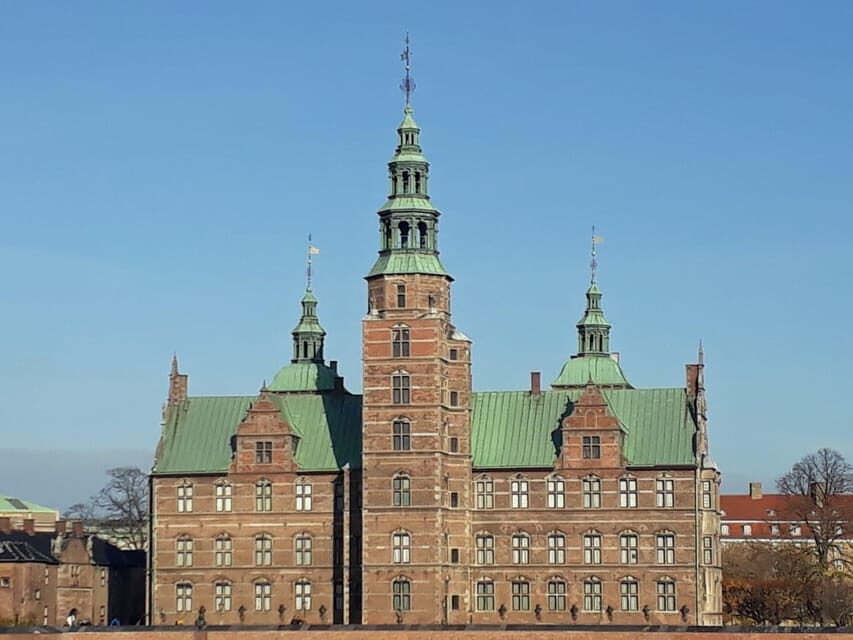
These two stops are classic Copenhagen icons. They also teach you something useful about city viewing: not everything important is huge or surrounded by crowds—you just have to know where to look and what to listen for.
Gefion Fountain: where story beats the selfie
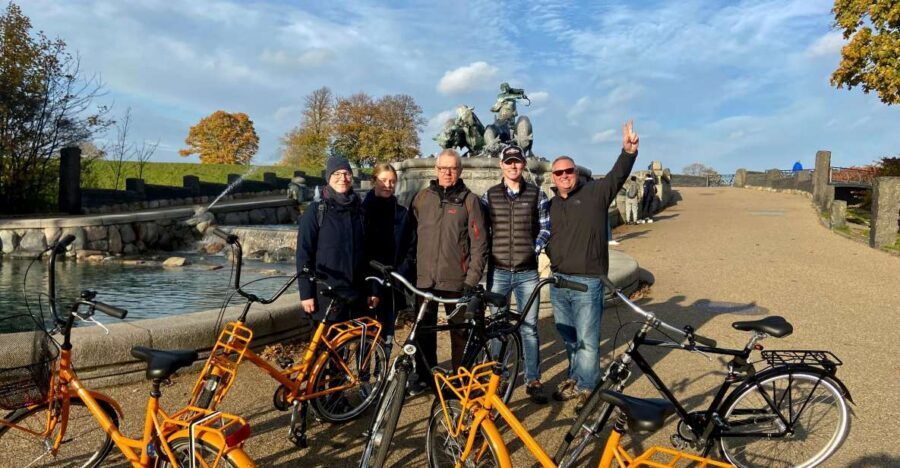
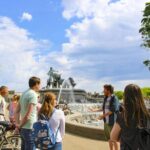
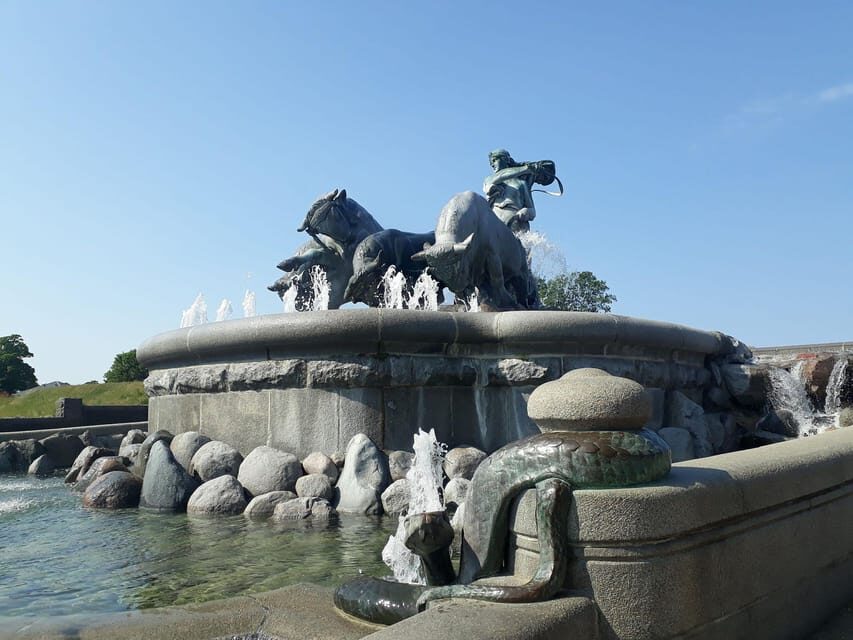
You’ll stop at Gefion Fountain for guided time and photos. This is the kind of landmark that can easily become just a quick look—unless the guide explains the meaning behind it. When a local guide ties a monument to Danish storytelling or civic identity, the fountain becomes more than a pretty water scene. It becomes a piece of cultural language.
If you’re traveling with someone who wants photos, this is still a win. If you’re traveling for meaning, this is the kind of stop that can do more than you expect.
The Little Mermaid statue: plan for the feeling, not the length
Then you’ll reach The Little Mermaid statue with photo stop and guided time. The stop is short by design, because the tour keeps its pace and moves the group through multiple key areas in the 150 minutes you have.
One consideration: you should treat it as a landmark moment, not as your full immersive experience. Copenhagen is so easy to return to that it’s smart to see the icon during this loop, then decide if you want a longer look later.
Nyboder and Rosenborg Castle: Residential Texture and Royal Artifacts
This is where the tour starts to feel more human. After the big icons and palace structures, you get neighborhoods and heritage sites that help you picture how people actually live around the center.
Nyboder: a neighborhood-style pause
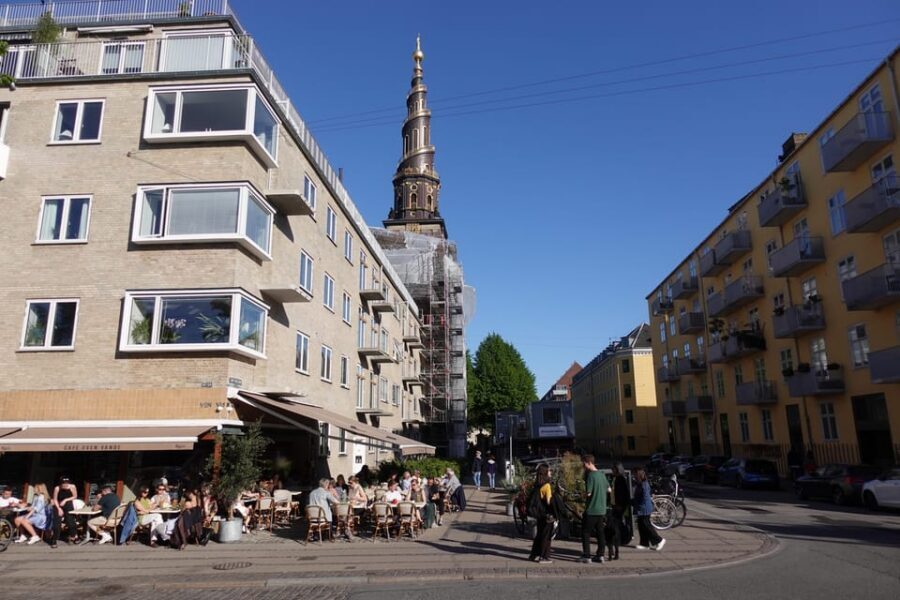
You’ll ride through Nyboder, stopping for photos and guided time. Nyboder matters because it’s not only about what Denmark shows to tourists; it’s about the city’s residential character near power and history. It’s a reminder that Copenhagen’s identity isn’t only monuments. It’s streets, homes, and daily movement.
If you like cities that feel lived-in, this is the kind of stop you’ll appreciate more as the tour goes on.
Rosenborg Castle: one of the best “royal buildings” to know
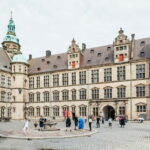
Then you’ll reach Rosenborg Castle, another photo stop with guided time. Castle stops can either feel repetitive or become meaningful depending on the explanation. Here, the earlier palace context helps: you’re no longer just seeing royal architecture; you’re building a chain of understanding about why these places are placed where they are and how they connect to Danish monarchy over time.
Rosenborg is also a good place to absorb the mix of old and formal in a city that also feels modern and practical. That contrast is part of why Copenhagen works so well on a bike—you can see the shift quickly.
Harbour Time and Why 150 Minutes Works
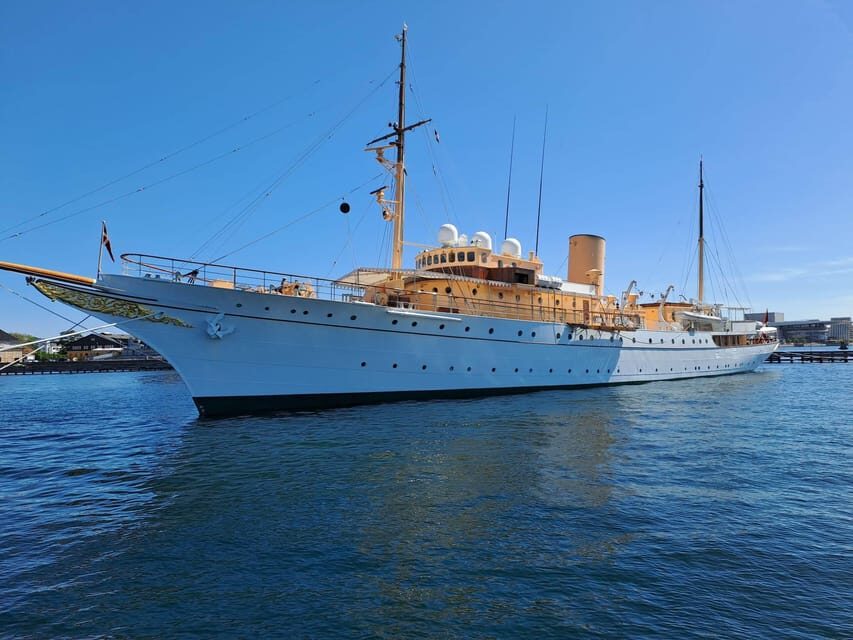
A key advantage of this tour is that it fits your schedule without draining it. You’re out for about 2.5 hours, and you cover 10–11 km at an easy pace. That’s enough time to see major sights, but it also respects your energy for the rest of the day.
The route includes time around the harbor area as well, which helps you understand Copenhagen’s geography. The water shapes where people build, shop, work, and play. You’ll feel that logic on the bike in a way that’s harder to get from a bus ride or a car.
One more small but meaningful detail: the tour may operate in reverse order. That doesn’t change the overall value much; it simply affects the rhythm of your experience.
Value at $71: What You’re Really Buying
At $71 per person, you’re paying for four things that add up quickly in Copenhagen:
- A local certified guide in English
- A bike and helmet (helmet optional, but recommended)
- Protection for weather with rain ponchos
- A pre-built route that strings together major sights in 150 minutes
If you were to recreate this on your own, you’d spend time figuring out bike logistics, designing a route, and hunting for the right context at each stop. Here, the time is already organized and the explanation is already handled.
I also think this price becomes easier to justify because you’re doing actual city orientation. A good orientation tour doesn’t just show you what’s famous—it helps you plan better afterward. You’ll likely leave with a clearer sense of where you want to return by foot, where you might want a longer bike ride, and what neighborhoods are worth exploring.
Who This Tour Fits Best (and Who Should Skip It)
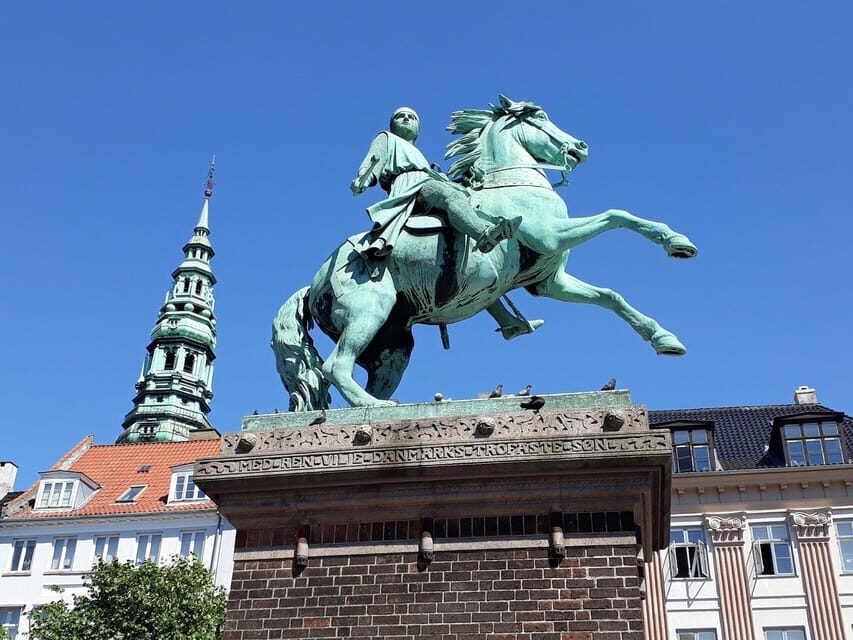
This is a strong match if you:
- Want a first-day city highlights plan without overdoing it
- Can ride a bike with confidence in traffic conditions
- Prefer learning with movement over staying stuck in one place
- Like mixing royal history with modern city life
It’s not a good fit if you:
- Use a wheelchair or have mobility limitations that prevent cycling
- Don’t feel safe riding a bike yet (this tour expects secure control)
Children can join if they ride safely and the bike fits them, so it can work for families with kids who already bike comfortably.
Should You Book This Copenhagen Bike Tour?
I’d book it if you want a practical, high-impact introduction to Copenhagen that doesn’t turn into a long day of walking. The best reason is the combination of local guidance plus a route that hits major landmarks while keeping the pace friendly.
You should pass or think twice if you’re not confident on a bike. The tour is easier than you might fear with the right guide and support, but it still assumes basic riding skills. If that’s you, this can still be a great first Copenhagen activity—just be honest with yourself about your comfort.
If you’re in Copenhagen early enough to use the orientation, this is the kind of activity that helps your whole trip feel smoother.
FAQ
How long is the Copenhagen bike tour?
The tour runs for 150 minutes (about 2.5 hours).
What’s the typical distance covered?
You’ll ride about 10–11 km (6–7 miles) during the tour.
What key sights are included?
The tour includes stops such as Nyboder, The Little Mermaid, Gefion Fountain, Amalienborg, Nyhavn, Christiansborg Palace, Rosenborg Castle, Copenhagen City Hall/Town Hall, and the harbour, with additional viewpoints along the route.
Is the tour always in the same order?
The tour may operate in reverse order, depending on how it runs that day.
What’s included in the price?
Included are the bike and helmet, an English-speaking local certified tourist guide, the main highlights of Copenhagen, and rain ponchos if needed.
Do I need to bring food or drinks?
No. Food and beverages are not included.
Do I need to know how to ride a bike?
Yes. To join the tour, you need to be able to ride the bike with security.
What should I wear or bring?
Bring comfortable shoes and comfortable clothes. The ride takes place at an easy pace, and you’ll also have ponchos if it rains.
Are children allowed?
Children are welcome if they ride the bike with security and the bike fits them. Seat fitting is listed for heights between 1.40 m and 1.85 m.
Is it suitable for wheelchair users or mobility impairments?
No. The tour is not suitable for wheelchair users or people with mobility impairments.